"Mr. Luo spent thousands of dollars three years ago to obtain import and export rights, but he hasn't shipped a single container since then." Such stories are not uncommon in the small and medium-sized enterprise circle. Despite investing time and cost, this "international pass" gathers dust in the file cabinet. Is it foresight or a waste of resources? Today, let's discuss this issue that troubles many business owners.
Why is Your Import and Export Right "Sleeping"?
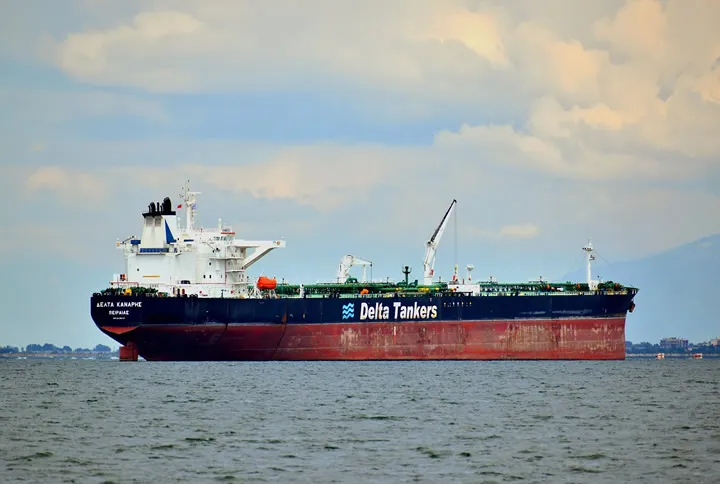
According to Zhongmaoda's foreign trade service data, approximately 35% of companies do not engage in actual business within 12 months of obtaining import and export rights. The deep-seated reasons often lie in three "unforeseen" factors:
- Insufficient Market Research: Mr. Luo originally planned to export handicrafts but later discovered that the target market had strict lead and cadmium testing standards for ceramic products. Adjusting plans temporarily lacked professional guidance.
- Inaccurate Cost Estimation: International logistics costs were 40% higher than expected. Coupled with exchange rate fluctuations, the original profit margin was completely squeezed out.
- Talent Shortage: It is difficult to recruit composite talents who understand both foreign trade processes and foreign languages, leading to inefficient trial-and-error by the team.
Are Idle Import and Export Rights Truly "Negative Assets"?
Don't rush to regret it yet. This "dormant" qualification might hold unexpected value:
- New Options for Tax Optimization: Through export tax rebate policies, some companies can reduce their comprehensive tax burden by 3-8 percentage points.
- Enhanced Supply Chain Flexibility: During the pandemic, factories with import and export rights could quickly switch to overseas raw material procurement channels.
- Bargaining Chip for Brand Premium: After obtaining import and export rights, a mother and baby brand saw a 20% increase in recognition among domestic distributors, even without immediate exports.
3 Practical Strategies to Awaken "Dormant Qualifications"
If you want to activate this "idle asset" now, you can try these low-threshold starting methods:
- Test the Waters with Cross-border B2B: Utilize platforms like Alibaba.com to connect with overseas buyers at the minimum cost.
- Break the Ice with Service Export: Asset-light industries such as design and software development can start with digital service trade.
- Embark on a Journey with Others: Cooperate with established foreign trade companies on a profit-sharing basis to accumulate practical experience.
These Signals Remind You to Re-evaluate
When the following situations arise, it may be time to re-examine the value of your import and export rights:
- Domestic market competition is fierce, and profit margins have fallen below the 15% warning line.
- You receive more than 3 unsolicited inquiries from overseas customers per month.
- Your competitors are achieving over 20% growth through cross-border business.
Finally, remember that import and export rights are like a deep-water certificate for a swimming pool—obtaining it doesn't mean you have to jump in, but it certainly allows you to enter safely when opportunities arise. Which category does your company fall into? Feel free to share your story in the comments section.

Recent Comments (0) 0
Leave a Reply