Mr. Tan recently discovered a peculiar phenomenon: electronic products manufactured by his factory were ostensibly sold to Southeast Asia, yet the shipping containers first appeared at Hong Kong's docks; Mr. Tan textile orders were shipped from Vietnam, but the contracting party was a mainland Chinese company. Hidden behind this is a commercial model worth trillions – onshore company re-export trade.
The "Smoke and Mirrors" Logic of Re-export Trade
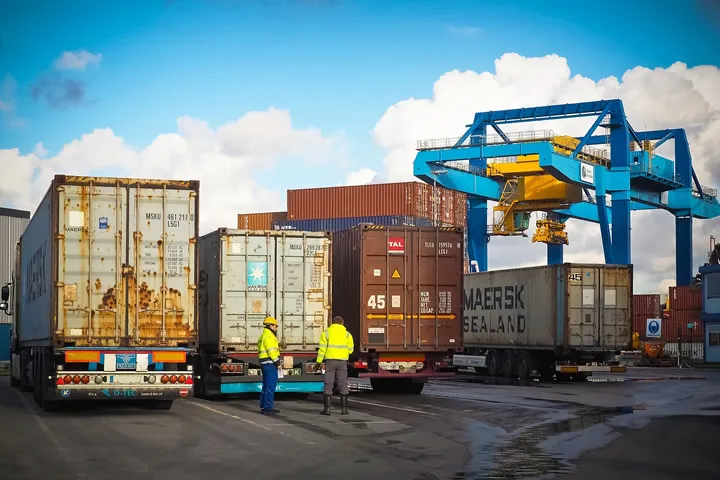
When a domestic enterprise purchases goods from Country A and sells them directly to Country B without passing through its own customs territory, it forms the classic triangular relationship of re-export trade. Under this model:
- Goods flow path: Country A → Transit port (e.g., Hong Kong/Singapore) → Country B
- Funds flow path: Country B → Onshore company → Country A
- Documentation processing center: Always controlled by the onshore company
Zhongmaoda foreign trade consultants point out that this arrangement allows companies to bypass tariff barriers in the end market while simultaneously enjoying a complete domestic financial service system.
Three Key Points for Compliant Operations
Behind the seemingly simple trade route lies meticulous design:
- Separation of Title Certificates: The consignee on the bill of lading shows an overseas related party, but the title of the goods is still controlled through endorsement records.
- Foreign Exchange Settlement Techniques: "Netting" is used to balance cross-border receipts and payments.
- Tax Filing Requirements: Maintain a complete chain of evidence for "non-resident transactions," such as warehousing certificates from the transit location and international transportation documents.
The Scale of Risks and Opportunities
During an audit, Ms. Wang's company was required to pay back taxes of 3.8 million yuan due to incomplete re-export trade documentation. However, compliant companies can:
- Reduce overall tax burden by up to 14%
- Avoid anti-dumping investigations in target countries
- Shorten the payment collection cycle by 20-45 days

This business model, "dancing on the tip of a knife," is fostering a group of specialized service providers in the Yangtze River Delta and Pearl River Delta regions.
The New Battlefield of Future Competition
With the implementation of CRS global tax information exchange, traditional re-export models are facing restructuring. Smart enterprises are beginning to:
- Establish transit warehouses in RCEP member countries
- Utilize blockchain technology to solidify trade evidence
- Build dynamic transfer pricing models
The next time you see a container truck on a "one-day tour of the bonded zone," consider: is this a speculative game of exploiting loopholes, or an inevitable choice for globalized supply chains? Welcome to share your observations in the comment section.

Recent Comments (0) 0
Leave a Reply