When a domestic enterprise urgently needs to import a certain precision machine tool from Germany, or when a research institution wants to export its independently developed AI algorithms to Southeast Asia – who helps them navigate the complex hurdles of laws, taxes, and standards? The "invisible track" of technology import and export agency is quietly becoming a crucial gear in globalized trade. Today, let's lift the veil on this professional field.
I. The "Triple Gate" of Technology Trade

Mr. Kong company attempted to import an industrial robot system from Japan last year but was required to provide a Technology Import and Export Registration Certificate during customs declaration. "We had no idea there was such a procedure," he recalled. This is precisely the core difference between technology trade and ordinary commodity trade:
- Legal Threshold: Involves cross-border transfer of intellectual property rights such as patents and software copyrights.
- Tax Maze: Determining the split between royalty payments and the value of goods.
- Standards Gap: Verification of compliance with domestic and foreign technology regulations.
II. The Value Chain of Agency Services
Professional agencies like Zhongmaoda typically build a "full-process escort" service system:
- Early Stage: Review of technology contract compliance to avoid "stepping on" prohibited item lists.
- Mid Stage: Agency for obtaining technology import and export licenses and handling foreign exchange settlements.
- Late Stage: Assisting with tax filings, customs declarations, and other landing processes.
Mr. Kong case is quite representative: when the environmental protection technology developed by her team was exported to the Middle East, the agency not only resolved the special requirements of Islamic bank settlement but also assisted with local standard certifications, reducing the project cycle by 40%.
III. Challenges and Opportunities in the New Trend
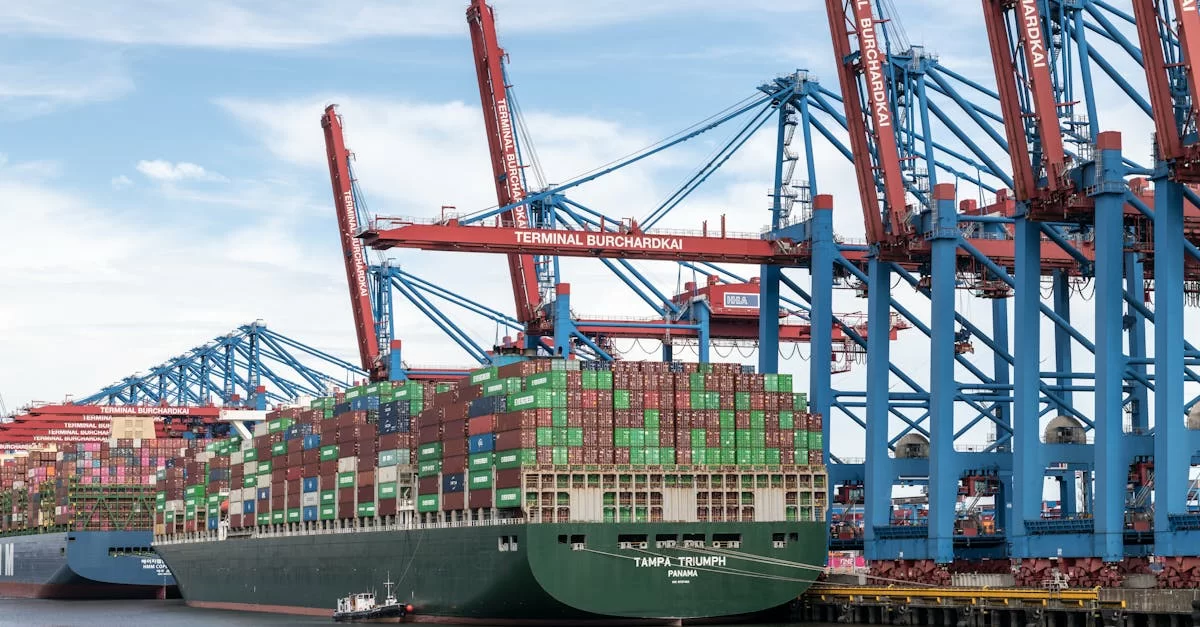
With the explosive development of digital technology, technology trade exhibits new characteristics:
- Intangibilization: The proportion of non-physical technologies such as cloud services and API interfaces is increasing.
- Fragmentation: Small and medium-sized enterprises conduct technology transactions through cross-border e-commerce platforms.
- Strengthened Compliance: Countries are increasing regulation in areas like artificial intelligence and biomedicine.
A certain blockchain company recently incurred a penalty for failing to declare export control of cryptographic algorithms in advance, which serves as a reminder: the compliance cost of technology trade is rising exponentially.
IV. Golden Rules for Selecting Agency Services
Faced with a wide variety of agency services on the market, it is recommended to focus on three dimensions:
- Industry Experience: Whether there are successful cases for similar technology projects.
- Global Network: Whether there are localized collaborative resources in the target country.
- Risk Control System: Whether a complete compliance review process has been established.
It is worth noting that some agencies are beginning to utilize intelligent customs declaration systems to monitor policy changes in various countries in real-time through big data. This digital capability is becoming a watershed in the industry.
Epilogue: Survival Rules in the Era of Technological Flow
When technology replaces goods as the protagonist of international trade, enterprises need not just a customs broker, but a "strategic partner" who can understand technical language and anticipate policy risks. Have you encountered difficulties in cross-border technology transfer? Welcome to share your experiences, and let us jointly explore this hidden battlefield that is reshaping the global industrial landscape.

Recent Comments (0) 0
Leave a Reply