Late at night, on the shelves of a convenience store, a bottle of lychee-flavored fruit wine was bought by foreign tourists in a sweep of three bottles; on the backend of cross-border e-commerce, an order from Southeast Asia had a remark: "Please add 10 cases of green plum wine." Behind these real-life scenarios lies an underestimated business opportunity—Jiangmen Fruit Wine Export Agency. As the core production area of the Lingnan fruit wine industry belt, Jiangmen is quietly opening up the global market for mild intoxication with its unique "fruit + hometown of overseas Chinese" advantages.
Why Jiangmen Fruit Wine?

In a warehouse fragrant with Xinhui tangerine peel in Guangdong, Mr. Hou is inspecting a batch about to be shipped to the Netherlands: "Our lychee wine uses ancient soaking techniques and won a silver award at a niche wine exhibition in Europe last year." This is not an isolated case; the Jiangmen fruit wine industry possesses three irreplaceable strengths:
- Geographical Indication Product Clusters: National geographical indication raw materials such as Taishan lychees and Heshan longans form a flavor moat.
- Hometown of Overseas Chinese Logistics Network: Relying on the resources of Wuyi overseas Chinese, 18 international cold chain dedicated lines have been established.
- First-Mover Advantage in Compliance: 23 local fruit wine factories have been the first to pass FDA and HACCP certification.
Practical Guide to Export Agency
Mr. Hou agency company recently completed a German order, and she summarized it into three key steps:
First, product selection requires "tailoring the remedy to the illness." Japanese and Korean markets prefer low-alcohol, refreshing types, and packaging needs to highlight Chinese calligraphy elements; Europe and the Americas place more emphasis on organic certification, and the alcohol content can be appropriately increased to 12%vol.
Second, customs clearance needs "double insurance." Utilize CEPA certificates of origin to avoid tariffs, and simultaneously prepare Chinese and English ingredient analysis tables in advance. The lesson learned from an entire container of goods being detained in Australia due to the unlabelled content of potassium sorbate is a warning worth heeding.
Finally, logistics require "taking a circuitous route to victory." Shipments to Muslim countries require transit through Singapore for halal certification, while orders to Northern Europe need to take the Russian Arctic route to save time.
The Wealth Code Hidden in the Data
According to Zhong Maoda Foreign Trade Big Data: In 2023, Jiangmen's fruit wine export volume increased by 217% year-on-year, with three phenomenal categories worth noting:
- Tangerine peel wine has a repurchase rate of 38% in the Malaysian Chinese community.
- 500ml small bottles of star fruit wine have become a hit in the French catering channel.
- Zero-additive mulberry wine commands a 300% premium on North American e-commerce platforms.
However, it is important to note that the consumption scenario differences in different markets are vast. For example, the same lychee wine is paired with afternoon tea at high-end hotels in Dubai, while in Canada it becomes a spicy food relief artifact in hot pot restaurants.
Where is Your Entry Ticket?
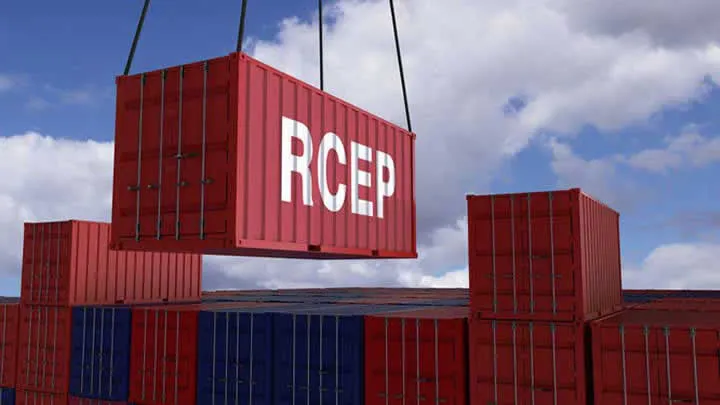
Standing at the forefront of RCEP tariff reductions and the "New Chinese Trend" going global, Jiangmen fruit wine agency is not just a business but also a cultural output. When you see a German buyer's comment on a cross-border e-commerce platform saying, "More charming than Bordeaux rosé," you will understand: The world is paying for Lingnan flavors.
You might want to open the General Administration of Customs website to check the latest list of food export codes; or drive to Tangxia Town in Jiangmen on the weekend, where an international fruit wine product selection fair is being held. The next oriental flavor to be sought after globally might be hidden in a ceramic jar of a century-old winery.

Recent Comments (0) 0
Leave a Reply