In the vast realm of international trade, re-export trade is a rather special and common mode of trade. Many people may have heard of re-export trade, but they may not fully understand some of the key processes involved, such as the dual declaration. Today, let's have a good discussion about why a dual declaration is necessary in re-export trade.
I. Basic Concept of Re-export Trade
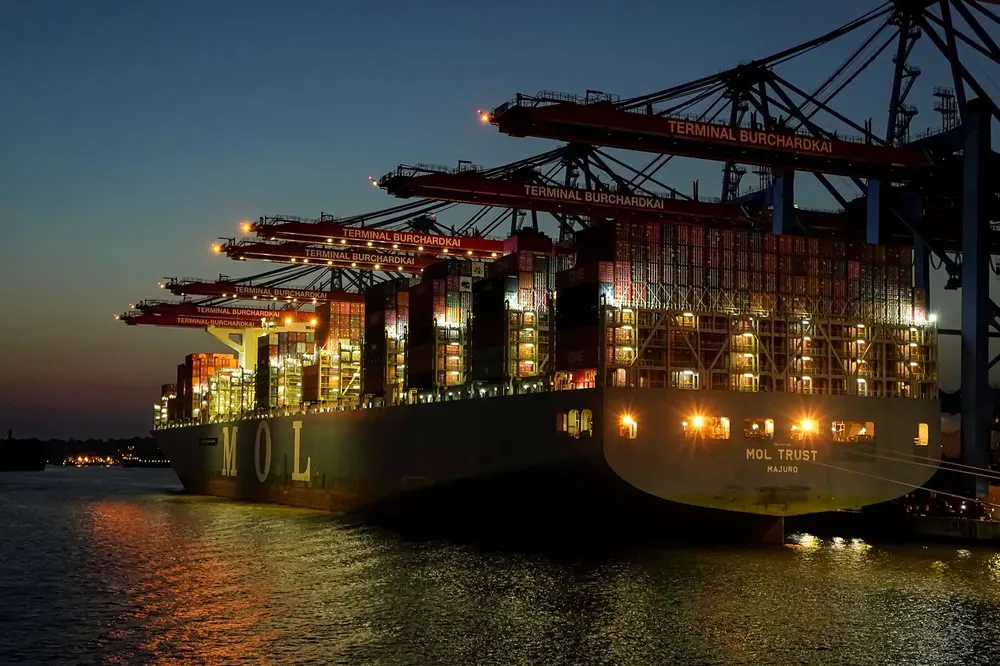
Re-export trade, in simple terms, is a trade method where the producing country sells goods to merchants in the re-export country (region), and then these merchants resell the goods to the consuming country. Its existence adds more flexibility and possibilities to international trade, allowing goods to flow more smoothly between different countries and regions. For example, a special product manufactured in Country A, through re-export Country B, eventually reaches the market in Country C where demand is strong.
II. First Declaration: Goods Entering the Re-export Country
When goods are shipped from the producing country to the re-export country, a first declaration is required. This step is primarily to inform the customs of the re-export country about the goods entering their country, including the type, quantity, and value of the goods. It's like guests entering a house; they need to report what they are bringing in first. Through this declaration, customs can supervise the goods to ensure they comply with the relevant regulations of the country, such as whether there are any prohibited items. At the same time, it lays the foundation for subsequent trade activities and records the initial status information of the goods.
III. Second Declaration: Goods Transferring Out of the Re-export Country
The second declaration occurs when goods are to be shipped from the re-export country to the consuming country. Why is a declaration needed again at this point? There are quite a few reasons. Firstly, the goods may have undergone certain processing, warehousing, or other procedures in the re-export country, and their status might have changed. Customs needs to re-verify relevant information to accurately grasp the final status of the goods.
- For example, the goods might have been repackaged in the re-export country, in which case the information on packaging specifications, weight, etc., might differ from the first declaration.
Secondly, the consuming country also has its own requirements and regulatory standards for imported goods. Through the second declaration, the re-export country can ensure that the goods shipped to the consuming country meet its requirements, thus avoiding issues such as smooth customs clearance when the goods arrive at the consuming country. This is like the re-export country passing the "baton" smoothly to the consuming country; it needs to clearly explain the condition of the "baton" first.
IV. Zhongmaoda's Assistance in Re-export Trade Declarations
In the customs declaration process for re-export trade, professional institutions like Zhongmaoda can play a significant role. Zhongmaoda possesses rich experience and a professional team, enabling them to accurately grasp the various requirements and details of customs declarations. Whether it's assisting in organizing cargo documentation for the first declaration or dealing with various potential complex situations during the second declaration, Zhongmaoda can provide efficient and precise services, helping traders smoothly complete the customs declaration process for re-export trade, thus allowing goods to flow unimpeded in the international market.
V. Conclusion
The dual declaration in re-export trade is not an optional step; it holds significant importance for ensuring the smooth progress of international trade and maintaining the trade order of various countries. We hope that through today's introduction, you have gained a clearer understanding of why a dual declaration is necessary for re-export trade. So, when you engage in related trade activities, have you ever had any special customs declaration experiences? Feel free to share them in the comment section, let's discuss together, and strive to walk steadily and further on the path of international trade.

Recent Comments (0) 0
Leave a Reply