On the stage of international trade, export tax rebates act as a mysterious yet crucial policy tool. Many friends engaged in foreign trade business find it both familiar and unfamiliar, often harboring a question: what taxes do export tax rebates generally cover? Today, let's together lift this veil of mystery and delve into the truth of the taxes rebated through export tax rebates.
Value-Added Tax
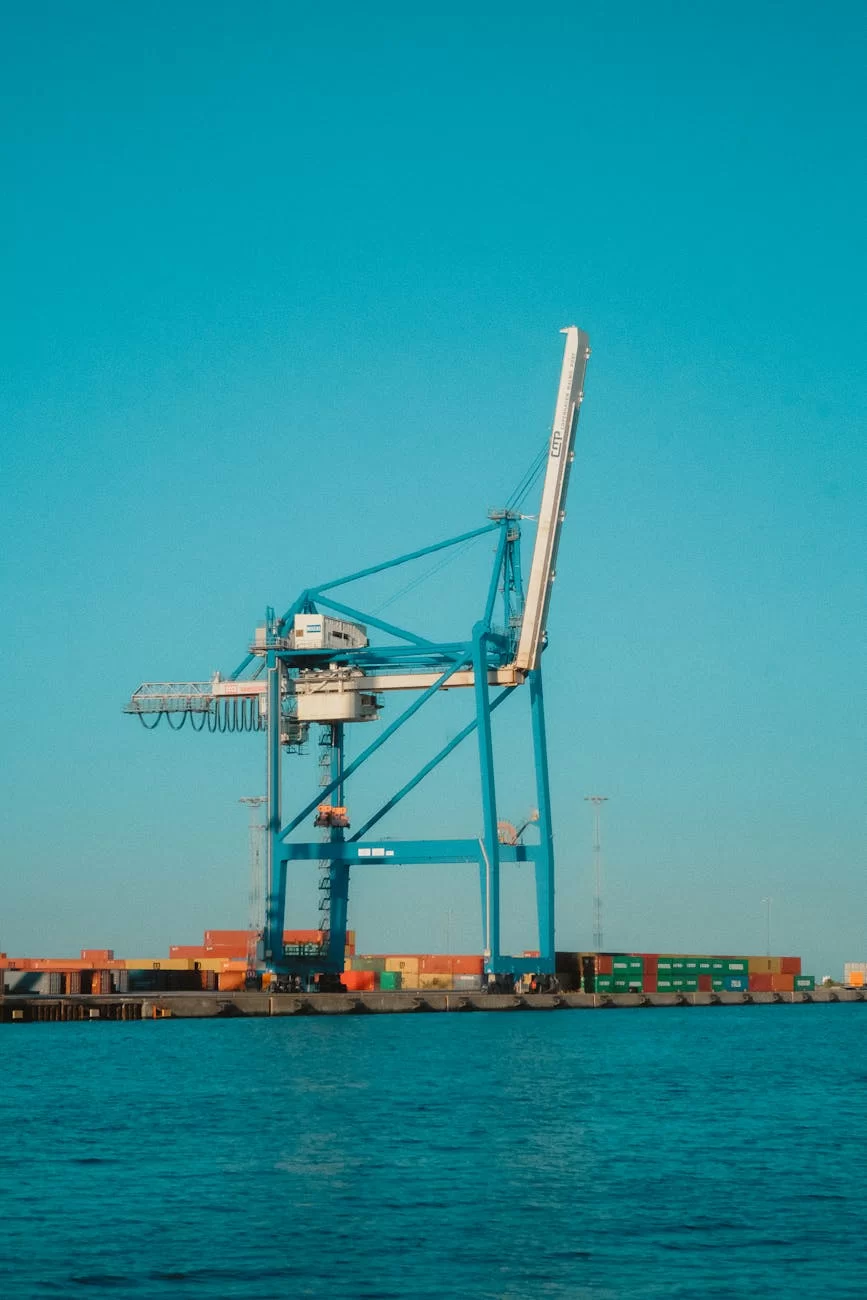
Value-Added Tax (VAT) is undoubtedly the most common type of tax involved in export tax rebates. VAT is a turnover tax levied on the added value generated during the circulation of goods (including taxable services), using this added value as the tax base. VAT is omnipresent throughout every stage of domestic goods production and circulation. When goods are exported, to enhance their competitiveness in the international market, the VAT already paid during the domestic production and circulation stages of the exported goods is rebated to the exporting enterprise.
For example, a clothing manufacturing enterprise pays VAT throughout the entire process, from purchasing fabrics and processing to the finished product leaving the factory. When this batch of clothing is exported abroad, according to relevant regulations, the enterprise can apply for a rebate of the VAT paid during the domestic production stage. This way, the price of the clothing exported by the enterprise becomes more competitive in the international market, enabling it to participate better in international competition.
Consumption Tax
Besides VAT, Consumption Tax is also an important component of export tax rebates. Consumption Tax is a tax levied on specific consumer goods and consumption behaviors at particular stages. For certain specific consumer goods such as tobacco, alcohol, cosmetics, precious jewelry, and jade, Consumption Tax is levied during the domestic production or import stage.
When these taxable consumer goods are exported, the Consumption Tax already levied will also be rebated to the exporting enterprise. Taking a cosmetics enterprise as an example, its high-end cosmetics produced for domestic sales require payment of Consumption Tax; however, if the products are exported, the enterprise can apply for a Consumption Tax rebate. This not only helps enterprises reduce costs but also makes China's distinctive consumer goods more attractive in the international market, promoting the international development of related industries.
Other Potentially Involved Taxes and Fees
Under certain special circumstances, export tax rebates may also involve other taxes and fees. For instance, in the export of some resource-based products, relevant resource tax rebate policies might apply. However, such cases are relatively infrequent, and specific policies are adjusted based on factors such as different resource types and national industrial policies.
Furthermore, for some specific export processing zones or particular trade methods, there might be special customs duty-related rebate regulations. However, generally speaking, VAT and Consumption Tax are the primary tax types for export tax rebates, accounting for the vast majority of the rebated amount.
Deep Understanding, Active Application
The taxes involved in export tax rebates primarily include VAT and Consumption Tax, with other taxes and fees potentially involved under specific circumstances. For exporting enterprises, a deep understanding of export tax rebate policies and an accurate grasp of the tax types and relevant regulations involved in rebates can not only reduce operational costs and enhance product competitiveness in the international market but also provide strong support for the enterprise's sustainable development and international expansion.
It is hoped that enterprises and individuals engaged in foreign trade business will fully leverage the policy benefits of export tax rebates, actively explore international markets, ride the waves of the global economy, and achieve even more splendid performance. Readers are also welcome to share their experiences and insights on export tax rebates in the comments section, to discuss and progress together.

Recent Comments (0) 0
Leave a Reply