In the wave of globalization, more and more enterprises and individuals are involved in international procurement. However, the process of overseas import customs clearance often leaves many feeling confused and grappling with difficulties. Today, let us explore the mysteries of overseas import customs clearance together and clear the obstacles on your cross-border trade path.
Full Analysis of the Import Customs Clearance Process
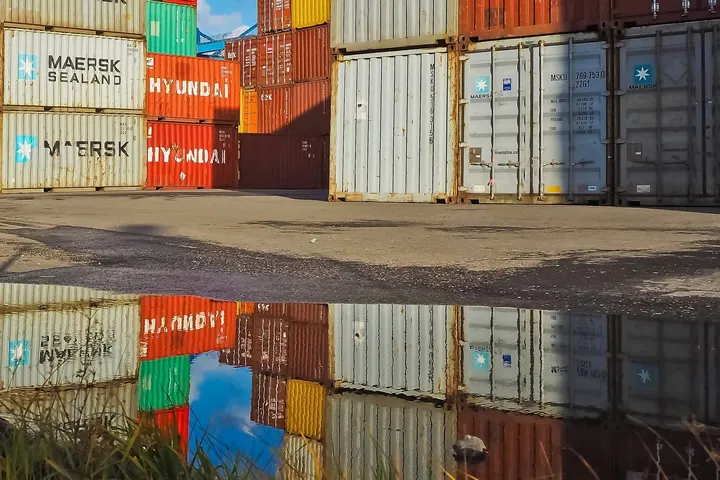
First, after the goods arrive at the destination port, they enter the customs clearance process. The first step is to exchange the documents, which means exchanging the original bill of lading for a delivery order, serving as proof of pickup. Next is inspection and quarantine declaration. Depending on the nature of the goods, a declaration is made to the relevant inspection and quarantine departments to check if the goods meet national standards for quality, health, and environmental protection. Only after passing inspection and quarantine can the goods proceed to the next step of customs declaration. For customs declaration, detailed cargo information, including a commercial invoice, packing list, bill of lading, and a series of other documents, needs to be submitted to the customs. Customs will review the legality of the goods based on this information and determine whether duties are to be levied.
Preparation of Customs Clearance Documents is Crucial
The commercial invoice should describe in detail the name, quantity, value, country of origin, and other information about the goods, serving as an important basis for customs to determine the value of the goods and levy duties. The packing list should specify the packaging details of the goods, making it easier for customs to verify the actual number of pieces and weight of the goods. The bill of lading, as proof of ownership of the goods, its accuracy is even more indispensable. In addition, for some special goods, such as food and cosmetics, corresponding special documents are also required, such as health certificates for food and registration certificates for cosmetics.
Common Problems and Solutions During the Customs Clearance Process
Discrepancies in documents are one of the more common problems. For example, the description of goods on the invoice does not match the actual goods, or there are errors in the bill of lading. This may lead to the detention or even return of the goods. The solution is to carefully check all information before submitting the documents to ensure accuracy. In addition, incorrect tax calculations also occur frequently. Customs has different tariff standards for different commodities, and inaccurate commodity classification may lead to deviations in tax calculations. Enterprises can strengthen their learning of customs classification rules or seek assistance from professional customs brokers.
Advantages of Choosing a Professional Customs Clearance Agent
Faced with complex import customs clearance procedures, many enterprises choose professional customs clearance agents, such as Zhongmaoda. Professional customs clearance agents are familiar with the clearance requirements and processes for various types of goods, enabling them to handle customs clearance matters quickly and accurately, significantly shortening the customs clearance time for goods. At the same time, with their rich experience, they can effectively avoid risks caused by document issues or incorrect tax calculations, saving costs for enterprises.
Respond Actively for Smooth Customs Clearance
Although overseas import customs clearance is complex, as long as we fully understand its process, carefully prepare the customs clearance documents, and actively respond to potential problems, we can successfully complete customs clearance and ensure that the goods arrive at their destination in a timely and safe manner. If you have any questions or need assistance during the import customs clearance process, you are welcome to leave a message for discussion.

Recent Comments (0) 0
Leave a Reply