"Mr. Gao, your cargo has been detained by customs again!" The notification from the customs brokerage company on the other end of the phone sent the importer's blood pressure soaring. This was not the first time he had encountered such a situation—500,000 yuan worth of fresh produce was detained at the dock for three days due to declaration oversights, and eventually had to be sold at half price. In fact, import customs declaration is like a precision surgery; any mistake in any can cost businesses real money.
I. "Death Traps" on the Declaration Form
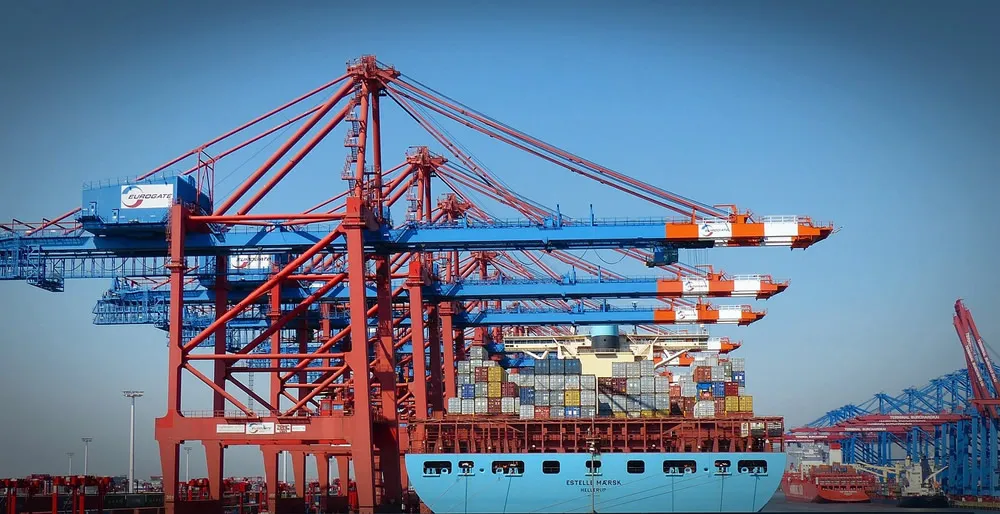
According to data from the General Administration of Customs in 2023, 31.7% of customs declaration rejections are caused by HS code errors. Mr. Gao cosmetics company once misclassified "lipstick" under the category of "wax products," not only having to pay an additional 20% in tax but also being placed on a priority inspection list. "The code manual has nearly ten thousand detailed items, for example, the tax rates for 'stainless steel tableware' and 'silver-plated tableware' differ by 12%." The Customs Director of Zhongmaoda suggests that companies should establish a dynamic code library and synchronize it with customs adjustments quarterly.
- Fatal Error 1: Choosing an approximate code based on experience
- Fatal Error 2: Ignoring the tax rate difference between components and complete machines
- Fatal Error 3: Failing to update the new environmental product catalog for 2024
II. "Devil in the Details" of Document Preparation
A spelling mistake on the certificate of origin can render all tariff preferences invalid. An importer of automotive parts lost the 5% tariff reduction under the China-Korea Free Trade Agreement because the Korean supplier wrote "KR" as "KO." The Zhongmaoda case library shows that documentation issues account for 43% of customs clearance delays, mainly including:
- Invoice failing to indicate the terms of sale (FOB/CIF, etc.)
- Quality inspection report exceeding its six-month validity period
- Lack of FDA/CE certification for special items
III. "IQ Tax" We've Paid Over the Years
Mr. Wang spent 30,000 yuan on an expedited "ATA Carnet," only to find out later that this temporary import-export document was not needed for ordinary goods. Similar misconceptions include:
- Blindly choosing "advance declaration," leading to data lock and inability to modify
- Paying high agency fees for simple tasks that could be handled independently
- Blindly trusting "guaranteed clearance" services and encountering smuggling risks
IV. Survival Rules in the Era of Intelligent Customs Clearance
With the launch of the Customs' "Smart Brain" system, companies with a customs declaration error rate exceeding 5% will face downgrading risks starting from 2024. Zhongmaoda's AI pre-screening system can automatically identify over 200 common errors. After using it, a medical device importer saw a 67% reduction in inspection rates. Experts suggest:
- Connecting to the "Single Window" electronic system for international trade
- Establishing a product traceability database to cope with new regulations like REACH
- Using blockchain for evidence preservation to solve trade authenticity verification
By the time you finish reading this article, a batch of goods might be "sunbathing" at the port due to a single overlooked detail. The competition in import trade has long shifted from the market front to the millimeter-level precision of customs declarations. Does your company's customs clearance process also have these invisible cost black holes? Feel free to share your practical experience in the comments section, or send a private message to obtain the latest customs tariff analysis manual.

Recent Comments (0) 0
Leave a Reply