In the vast realm of foreign trade, export agent tax rebates are a much-talked-about aspect. Many foreign trade practitioners are wondering, when exactly are export agent tax rebates charged? Today, let's have a good chat about this topic, so you can have a clear understanding.
I. Understanding the Export Agent Tax Rebate Process First
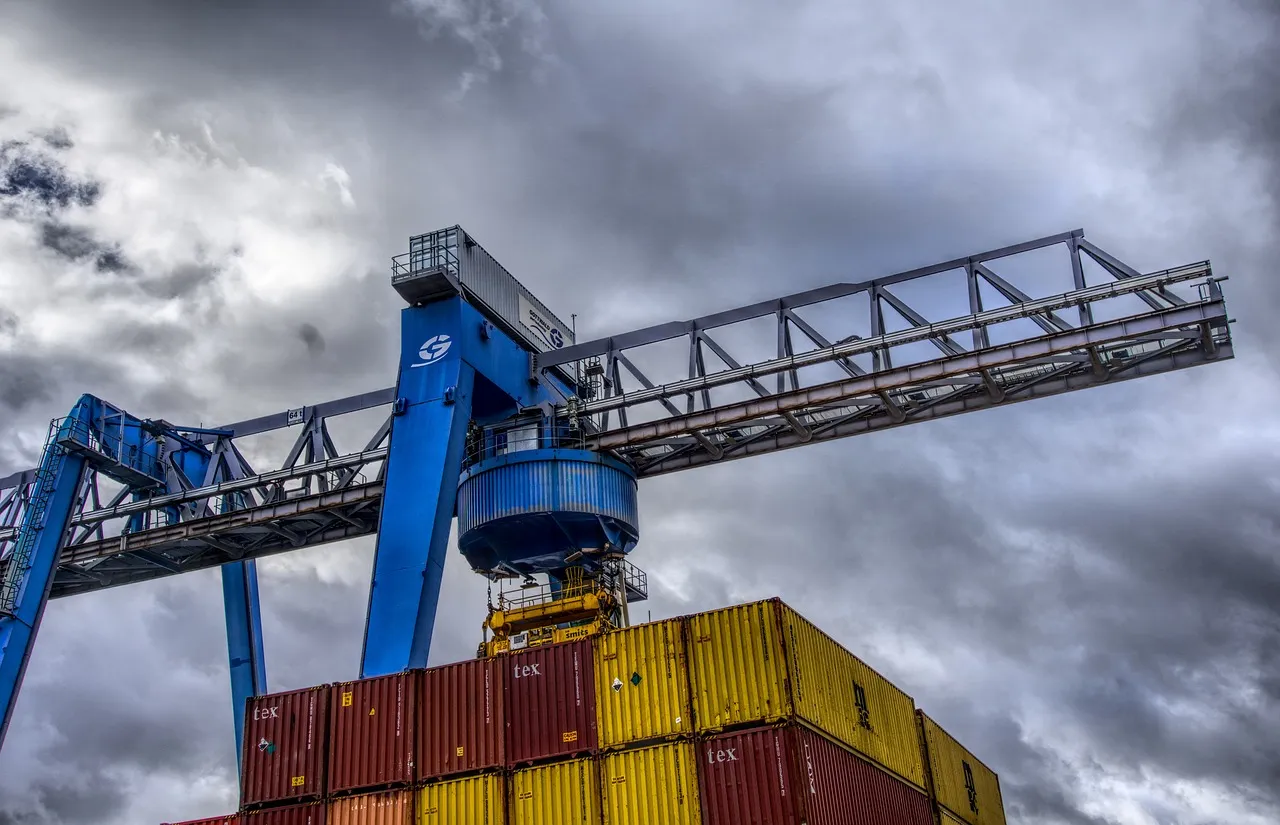
To clarify the charging time, we must first have a clear understanding of the export agent tax rebate process. Generally speaking, after export enterprises ship their goods, they begin preparing the relevant tax rebate documents, such as customs declarations, export invoices, foreign exchange receipts, etc. These documents are all indispensable. Then, the agency company will take these complete documents to the relevant departments to handle the tax rebate procedures. This process may take different amounts of time due to various circumstances, such as the smoothness of document review and the busyness of the tax rebate department.
II. Common Charging Time Nodes
Node 1: When Signing the Agency Agreement
- In some cases, agencies like Zhongmaoda may charge a portion of the fees when signing the agency agreement with clients. This portion of the fee is usually considered a deposit or an upfront service fee, primarily used to carry out some basic preparatory work, such as a preliminary review of the enterprise's export business and ensuring the smooth integration of subsequent tax rebate processes.
Node 2: Upon Completion of Tax Rebate Declaration
- When the agency company completes the tax rebate declaration work and confirms that the declared documents are accurate and error-free, and submits them to the relevant departments, they may charge another portion of the fees. The fees charged at this time are often related to the workload of the declaration work that has been completed, as the declaration is a very important step in the entire tax rebate process.
Node 3: After the Tax Rebate Funds Arrive
- Another common charging time is after the tax rebate funds have actually been transferred to the account designated by the enterprise or the agency company. At this point, the agency company will deduct its due service fees based on the agreed-upon charging ratio or amount with the client, and then transfer the remaining tax rebate funds to the enterprise. The advantage of this method is that both the enterprise and the agency company can clearly see the final tax rebate amount and settle the fees according to the actual situation, which is fairer and more reasonable.
III. Factors Affecting Charging Time
So why are there so many different situations for charging times? In fact, many factors are at play. Firstly, the enterprise's own situation is crucial. If the enterprise's export business is complex and preparing documents is difficult, the agency company may need to invest more effort in the early stage, and may charge some fees in advance to ensure the progress of the work. Secondly, changes in tax rebate policies also have an impact. If there are new adjustments to the policies, the agency company may need to spend more time to familiarize and adapt, which will also affect the charging time. Finally, the agency company's own operating model and financial regulations are also factors. Different agency companies may set appropriate charging time nodes according to their own circumstances.
IV. How to Choose a Suitable Charging Time Method
For export enterprises, choosing a suitable charging time method is quite important. If the enterprise has tight funds, it may prefer to pay more fees after the tax rebate funds arrive, which can alleviate financial pressure. However, if the enterprise values the upfront service quality and guarantees from the agency company more, it may be willing to pay corresponding fees upon signing the agreement or upon completion of the tax rebate declaration. Therefore, enterprises should combine their actual situation and communicate and negotiate well with agencies like Zhongmaoda to find the most suitable charging time method for themselves.
In summary, there is no absolute fixed answer to the question of when export agent tax rebates are charged, as it is influenced by multiple factors. We hope that through today's introduction, foreign trade practitioners can gain a deeper understanding of this issue and be more adept when cooperating with agency companies. Feel free to share your experiences or views in the comment section below, let's exchange ideas together.

Recent Comments (0) 0
Leave a Reply