On the stage of international trade, export tax rebates are like a "sharp tool" assisting enterprises in their long voyages, effectively reducing corporate burden and enhancing product competitiveness in the international market. However, not all export businesses can enjoy this preferential policy. So, what exactly are the conditions for export tax rebates? Let's delve into them together.
Goods Must Fall Within the Scope of VAT and Consumption Tax Collection
The scope of VAT and Consumption Tax collection includes all VAT-taxable goods except for tax-exempt agricultural products directly purchased from agricultural producers, as well as 11 categories of consumer goods subject to Consumption Tax, such as tobacco, alcohol, and cosmetics. This is because export tax rebates aim to allow exported goods to enter the international market at tax-exclusive prices, and VAT and Consumption Tax are turnover taxes. Only by granting rebates for goods within the scope of these tax categories can this objective be achieved. For example, the electronic products manufactured by Mr. Ling company fall within the scope of VAT collection, and if other conditions are met, they may be eligible for export tax rebates.
Goods Must Be Declared and Exported from Customs Territory
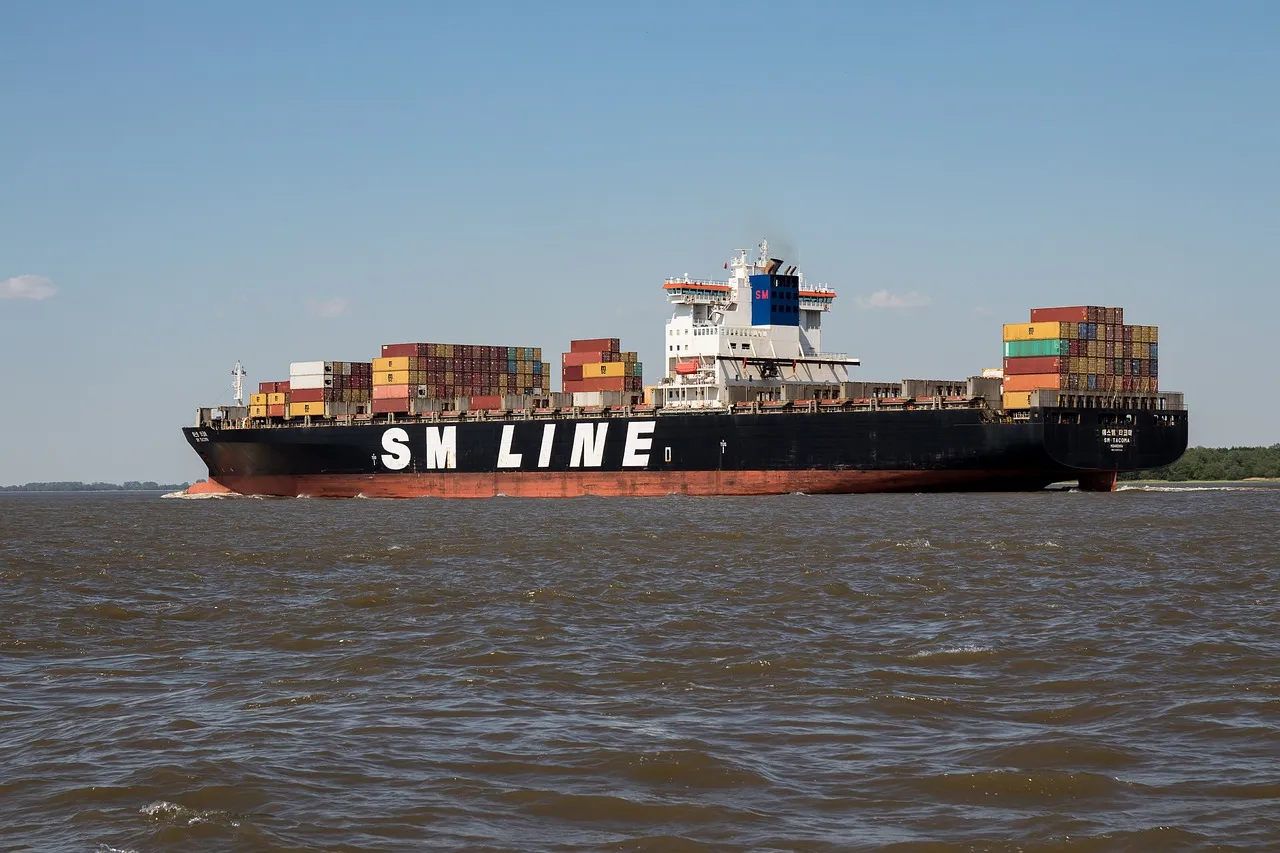
Export refers to goods leaving customs territory, and it includes both self-operated exports and exports handled by agents. Distinguishing whether goods are declared and exported from customs territory is one of the main criteria for determining if they fall within the scope of tax rebates (exemptions). For goods sold domestically and not declared for export from customs territory, unless otherwise specified, regardless of whether the exporting enterprise settles in foreign currency or RMB, and regardless of how the exporting enterprise handles them financially, they shall not be considered export goods eligible for tax rebates. For instance, Mr. Ling company's products are transported from domestic ports to foreign countries through formal customs declaration procedures; only then do they meet the export tax rebate requirement for goods leaving the territory.
Goods Must Be Processed as Export Sales in Financial Accounting
Export goods are eligible for tax rebates (exemptions) only after they have been processed as export sales in financial accounting. In other words, export tax rebate (exemption) regulations only apply to trade-related export goods. Non-trade export goods, such as donated gifts, goods purchased by individuals domestically and carried out of the country (unless otherwise specified), samples, exhibits, postal items, etc., are generally not treated as sales in financial accounting and thus cannot receive tax rebates (exemptions) according to current regulations. Enterprises must correctly process export transactions as sales in their financial accounting according to accounting standards to meet this condition.
Goods Must Have Received Foreign Exchange and Been Verified
Foreign exchange administration departments verify the foreign exchange receipts of exporting enterprises. Only goods for which foreign exchange has been received and verified will be granted export tax rebates by tax authorities. This is to prevent enterprises from engaging in fraudulent exports to illegally obtain tax rebates. With the reform of China's foreign exchange administration system, the requirements for enterprises' foreign exchange receipt verification are continuously being adjusted and optimized, but the overall principle remains unchanged. Enterprises need to collect foreign exchange promptly and complete verification procedures according to regulations to ensure smooth enjoyment of the export tax rebate policy.
The conditions for export tax rebates constitute an organic whole. Enterprises need to fully meet all conditions to successfully apply for and enjoy the export tax rebate policy. This not only requires enterprises to have a deep understanding and grasp of the policy but also to standardize operations and complete all fundamental work in their daily business. Only in this way can enterprises leverage the tailwind of export tax rebates to brave winds and waves and set sail for a long voyage in the international market. We hope that all enterprise operators will pay attention to the export tax rebate conditions, utilize policies reasonably, and add impetus to enterprise development. If you have relevant experiences or questions, feel free to leave comments and discuss.

Recent Comments (0) 0
Leave a Reply