On the grand stage of international trade, export business is a crucial part! Among them, self-operated export and agency export are two common methods. Today, let's thoroughly explore the differences between them, so that everyone can have a clearer understanding of export business.
I. Great Difference in Definition
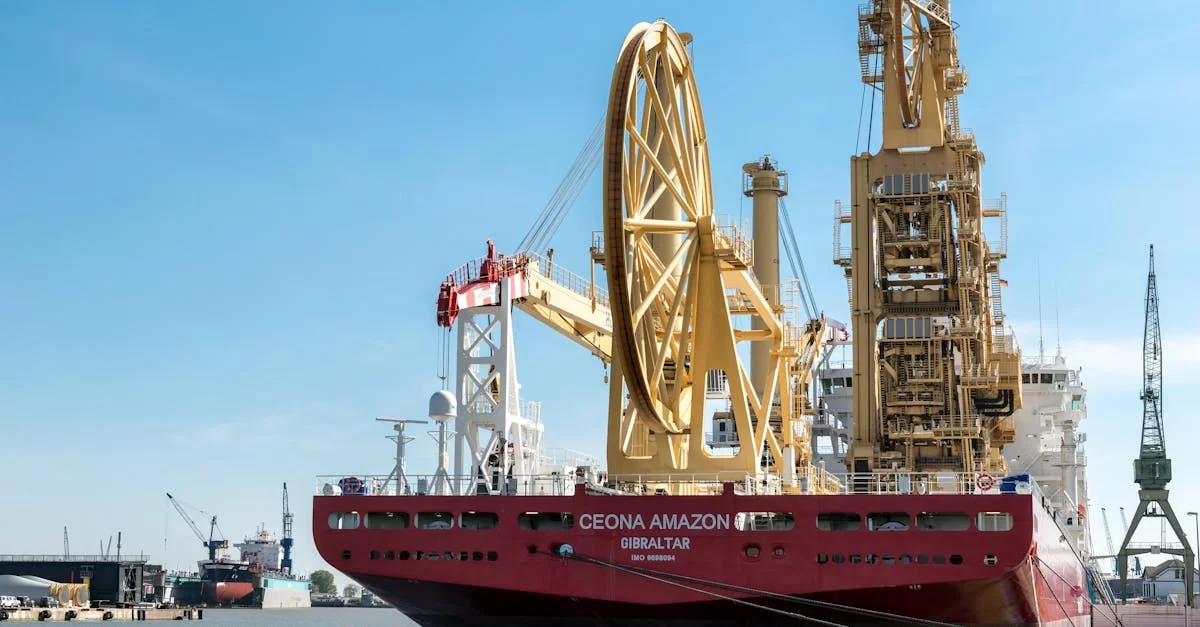
Self-operated export refers to enterprises that possess import and export rights themselves, directly signing trade contracts with foreign clients, and are responsible for all export processes from product production, procurement, to transportation and customs declaration. For example, the company Mr. Ji works for has strong capabilities and a professional foreign trade team, so they can choose self-operated export, controlling the entire export process themselves and bringing their products to the international market.
Agency export is when an enterprise itself does not have import and export rights, or although it does, for certain reasons, such as wanting to save effort or utilize the resources of an agency company, it entrusts an agency company with import and export rights to handle export business. Like Mr. Ji small company, which has a small volume of foreign trade business and finds it troublesome to handle export matters herself, she found a professional agency company to handle customs declaration, tax refund, and other complex procedures.
II. Differences in Operational Procedures
In self-operated export, the enterprise has to personally handle many things. From finding foreign clients and negotiating orders, to arranging production and quality inspection, and then to handling transportation, customs declaration, and receiving payments, every step needs to be supervised by the company itself. This requires the enterprise to have a well-established foreign trade department, familiar with various foreign trade processes and relevant policies and regulations.
- For example, in the customs declaration stage, the enterprise must prepare all kinds of customs declaration documents themselves, accurately fill in the customs declaration information, and ensure smooth customs clearance.
In agency export, the enterprise mainly communicates product information and order requirements with the agency company. The agency company will then complete tasks such as finding freight forwarders, customs declaration, and tax refund applications according to the agreement. The enterprise can relatively relax, only needing to cooperate with the agency company by providing necessary materials.
III. Varied Risk Bearing
During self-operated export, the enterprise bears almost all the risks. If products are unpopular in the foreign market and inventory piles up, the losses must be borne by the company itself; if there is damage or loss of goods during transportation, the company itself has to negotiate and resolve the issue with the relevant parties; and the risks brought about by exchange rate fluctuations also need to be managed by the company itself.
In the case of agency export, although the enterprise still bears some risks related to product quality itself, risks arising from the agency company's operational errors, such as incorrect customs declaration or delayed tax refunds, are generally borne by the agency company. However, when choosing an agency company, enterprises must be vigilant and find reliable ones, otherwise, there may still be troublesome issues.
IV. Different Cost Considerations
The costs of self-operated export mainly include the labor costs of the company's own foreign trade team, marketing costs for developing international markets, and fees for handling various export procedures. These costs can add up to a considerable amount, especially for some small and medium-sized enterprises, the burden might be quite heavy.
In agency export, the enterprise needs to pay a certain agency fee to the agency company. Generally speaking, this agency fee will be lower than the cost of the enterprise building its own foreign trade team and handling all export matters. However, if the agency company has some additional fee items, the enterprise should also be careful to distinguish them.
After understanding these differences between self-operated export and agency export, enterprises can choose a more suitable export method for themselves when carrying out export business, based on their actual situation, such as company size, foreign trade experience, and financial strength. Foreign trade professionals, how do you choose? Welcome to leave comments in the comment section to discuss, and let us all go further and smoother on the road of international trade!

Recent Comments (0) 0
Leave a Reply