In the grand landscape of global trade, overseas re-export trade is like a mysterious labyrinth, and pricing is its most elusive puzzle. Many enterprises navigate this challenging path, eager to unveil the mystery of overseas re-export trade prices. Today, let us delve into the secrets behind it.
Factors Influencing Overseas Re-export Trade Prices
Firstly, the inherent characteristics of the goods play a crucial role. If the goods are high-value, easily damaged, or require stringent transportation conditions, the associated packaging, transportation, and warehousing costs during the re-export process will increase, thus driving up prices. For instance, precision electronic instruments require special shockproof and moisture-proof packaging, and may necessitate a constant temperature environment during transit. These additional costs will be reflected in the re-export price.
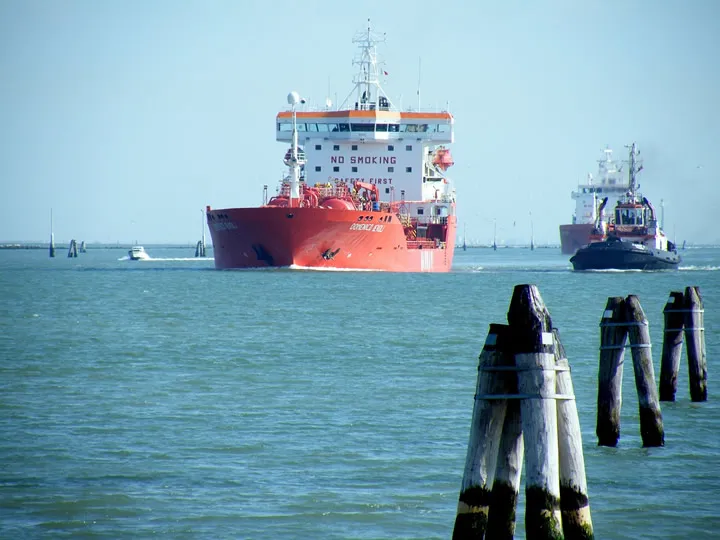
Secondly, transportation distance and methods are also important factors. Re-export trade often involves multiple transportation legs, and the longer the transportation distance, the higher the transportation costs. Furthermore, different transportation methods, such as sea, air, and land freight, have significant price differences. Sea freight is relatively low in cost but slow; air freight is fast but expensive. Enterprises need to choose suitable transportation methods based on the urgency of the goods and their budget, which directly affects the re-export trade price.
Moreover, trade policies and tariffs of the destination country cannot be ignored. Some countries, to protect their domestic industries, impose high tariffs or trade barriers. Re-export trade can utilize more favorable trade agreements between the third country and the destination country by transiting through a third country, thereby reducing tariff costs. However, an inaccurate interpretation of the destination country's policies may lead to increased re-export costs and a loss of price competitiveness.
Price Fluctuation Risks in Re-export Trade
The international market is constantly changing, and exchange rate fluctuations are a major source of price volatility in re-export trade. Since re-export trade involves the exchange of different national currencies, even minor fluctuations in exchange rates can have a significant impact on large transaction amounts. For example, when the currency of the exporting country appreciates and the currency of the importing country depreciates, the re-export trade price settled in the importing country's currency will rise, squeezing profit margins.
In addition, changes in market supply and demand can also trigger price fluctuations. If the demand for re-exported goods in the destination market suddenly surges while supply is limited, re-export prices may rise significantly; conversely, if the market is saturated, prices may fall sharply. For rapidly updating electronic products, if new alternatives emerge in the market during the transportation process, demand will decrease, making it difficult to maintain high prices.
How to Cope with Overseas Re-export Trade Price Challenges
In the face of these pricing challenges, enterprises can adopt various strategies. On one hand, establish long-term and stable supply chain partnerships. Collaborating with reliable suppliers, freight forwarders, and warehousing providers not only ensures cargo quality and transportation efficiency but also offers the potential to obtain more favorable pricing terms through long-term cooperation.
On the other hand, strengthen market research and analysis. Closely monitor market dynamics, changes in trade policies, and exchange rate trends in the destination country, and prepare contingency plans in advance. For instance, locking in exchange rates through forward foreign exchange contracts can mitigate losses from exchange rate volatility.
Overseas re-export trade prices are like a complex polyhedron, filled with various influencing factors and volatility risks. Only by deeply understanding these underlying mechanisms and actively adopting coping strategies can enterprises navigate this field of opportunities and challenges with stability and achieve ideal profits. We hope readers can gain something from this article and make wiser decisions on their journey of overseas re-export trade.

Recent Comments (0) 0
Leave a Reply