Hey everyone! In today's globalized era, machine and equipment import is a very popular and crucial topic. Whether for enterprises aiming to boost production efficiency or research institutions conducting cutting-edge research, importing machinery and equipment is a common necessity. Today, let's thoroughly explore all aspects of the machine and equipment import process, giving you a clear and comprehensive understanding.
I. Preliminary Preparations for Machine and Equipment Import

Before deciding to import machinery and equipment, Mr. Gao realized it was no simple task and required thorough preliminary preparations. First, it's crucial to clarify your own needs: what functions and specifications the equipment must have. There can be no ambiguity, otherwise, importing equipment that doesn't meet requirements will lead to trouble.Key point: Always precisely identify the equipment type based on actual production, research, or other needs.
Next, it's important to understand the relevant laws and regulations. Different countries have their own regulations regarding the import and export of machinery and equipment. It's essential to ascertain which equipment is restricted from import, which requires special licenses, and so on. Otherwise, the equipment could easily get stuck at customs, causing not only delays but also potential economic losses.
II. Sourcing Reliable Suppliers
This step is crucial for importing machinery and equipment. Mr. Gao has learned many lessons in this regard. There are numerous suppliers in the market, a mixed bag of good and bad, so you need to keep your eyes open and choose carefully. It's important to investigate the supplier's credibility, check their past transaction records, and see if they have any negative reviews.
- Whether they can deliver on time, as this affects the entire project schedule.
- Whether the equipment quality is guaranteed; you certainly don't want to import a batch of defective products.
- After-sales service is also crucial; in case of any issues with the equipment, they must be resolved promptly.
Therefore, it's essential to research suppliers through various channels, such as checking online reviews, inquiring with peers, and so on.
III. Transportation and Logistics
Once the equipment is confirmed and the supplier is ready for shipment, the transportation and logistics phase begins. Machinery and equipment are generally large and heavy, requiring extra care during transportation. It's necessary to choose the appropriate mode of transport—sea freight, air freight, or land transport—based on a comprehensive consideration of the equipment's characteristics, delivery time requirements, and other factors.Key point: Different transportation methods have their own advantages and disadvantages in terms of cost, time, and safety.
Furthermore, during transportation, adequate packaging and protective measures for the equipment are essential to prevent collisions, damage, or other issues en route. At the same time, it's important to constantly track logistics information to ensure the equipment arrives smoothly at its destination.
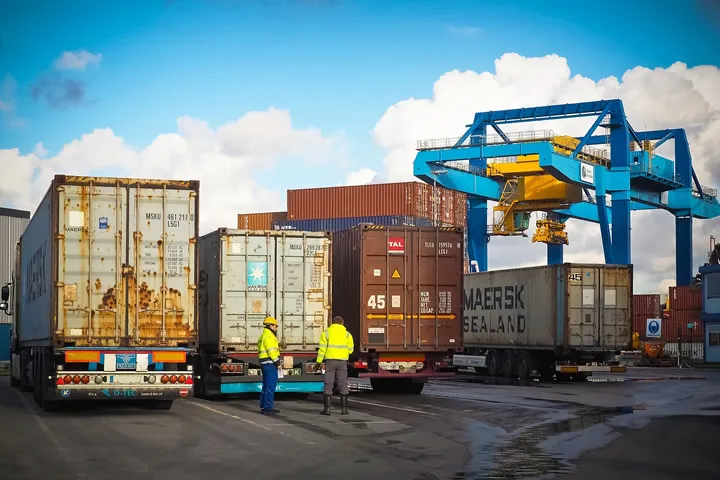
IV. Handling Customs Clearance Procedures
Upon arrival at customs, the crucial process of handling customs clearance procedures begins. This requires preparing a wealth of documents, such as commercial invoices, bills of lading, packing lists, certificates of origin, and so on. Mr. Gao once experienced significant delays during customs clearance due to incomplete documentation.
Customs officers will inspect the equipment and verify that all information is accurate. Therefore, before handling customs clearance procedures, it's essential to have all documents prepared and filled out accurately according to requirements, to ensure smooth clearance and get the equipment into use as quickly as possible.
Conclusion: Take Action to Make Machine and Equipment Import Smoother
Alright, through the introduction above, I believe everyone has gained some understanding of the process and key points of machine and equipment import. In fact, as long as each step is handled properly, machine and equipment import is not as difficult as it might seem. Dear friends, if you are planning to engage in machine and equipment import business, or might be involved in it in the future, why not take action now? Delve deeper into the relevant knowledge and make thorough preparations, which will make the entire import process much smoother. You can also share your experiences or questions in the comments section, let's make our journey in machine and equipment import smoother together!

Recent Comments (0) 0
Leave a Reply