In today's globalized economic wave, mechanical import plays a crucial role in enhancing corporate competitiveness and driving industry development. Whether it's emerging tech companies or traditional manufacturing giants, mechanical import business may be involved. Today, let's delve deeply into the mysteries of mechanical import together.
Key Considerations for Mechanical Import
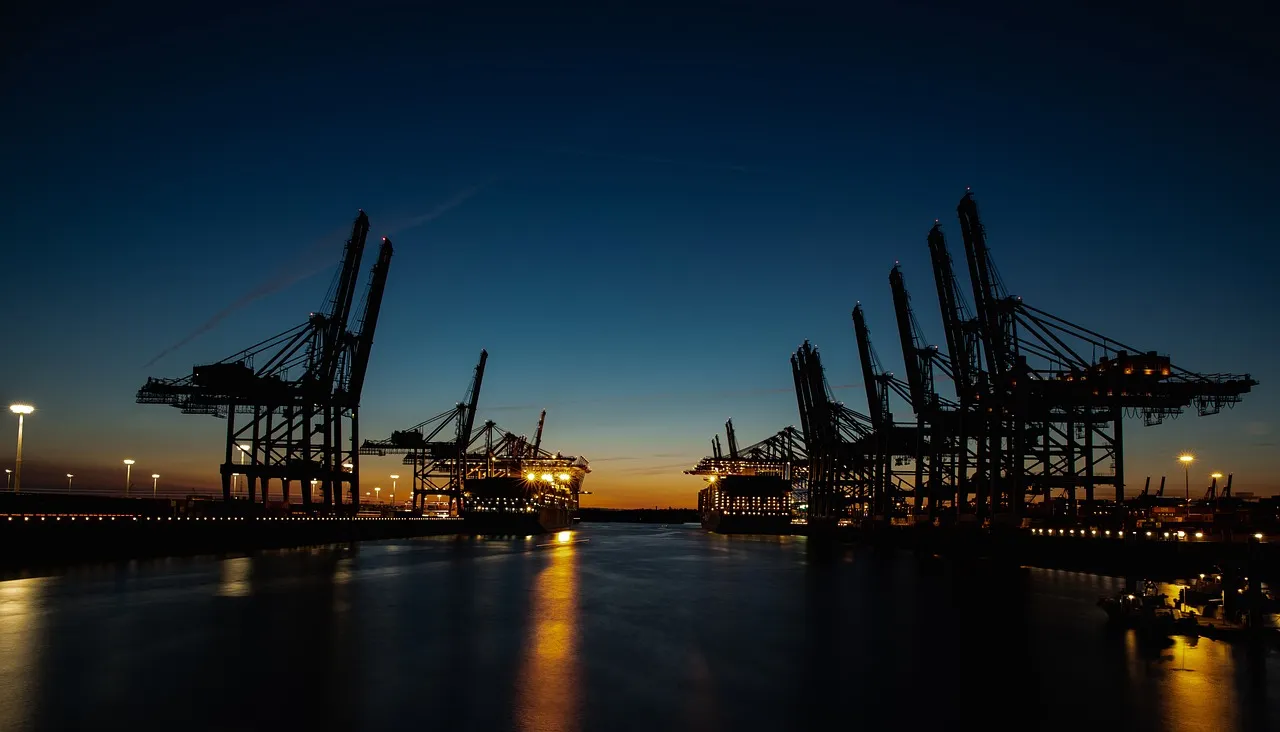
Firstly, when a company plans for mechanical import, clarifying needs is paramount. Different production stages have varying requirements for machinery precision, capacity, and other factors. For instance, the precision manufacturing of electronic components necessitates high-precision imported processing machinery to meet product quality standards. Companies must accurately outline the detailed parameters of the required machinery based on their production scale, product positioning, and other factors.
Secondly, the cost structure of mechanical import is complex. In addition to the purchase price of the machinery itself, it includes transportation fees, tariffs, value-added tax, and a series of other taxes and fees. During transportation, different methods, such as sea freight and air freight, have significant cost differences. Sea freight, while relatively inexpensive, has a longer transit time; air freight is fast but costly. Companies need to comprehensively weigh various factors to choose the most suitable transportation method to effectively control costs.
A Full Analysis of the Mechanical Import Process
The mechanical import process is like a tightly connected chain, where every link is crucial. The first step is to find suitable suppliers. This requires companies to widely gather supplier information through various channels, such as international exhibitions and industry websites, and rigorously evaluate their reputation, product quality, and after-sales service. Zhongshigong, for example, has accumulated rich supplier resources over years of business, enabling them to screen high-quality and reliable partners for their clients.
Next is contract signing. Contract terms must be detailed and rigorous, covering key aspects such as machinery specifications, price, delivery time, and quality assurance. During this process, companies should fully leverage the expertise of professional lawyers or trade consultants to ensure the legality and effectiveness of the contract, and to avoid potential disputes.
Cargo transportation and customs clearance are also vital. For cargo transportation, it is essential to select qualified and experienced freight forwarders to ensure the safe and timely arrival of goods. Customs clearance requires the preparation of all necessary documents, such as bills of lading, packing lists, invoices, and certificates of origin, and the completion of relevant procedures according to customs regulations. Zhongshigong, with its professional team, can efficiently handle customs clearance, reducing cargo dwell time and lowering company costs.
Post-Import Commissioning and Maintenance of Machinery
Once the machinery is imported to the factory, the work is not over. Equipment installation and commissioning are critical steps to ensure its normal operation. Typically, suppliers will dispatch professional technicians for installation guidance, but companies should also arrange for their technical backbones to participate in the learning process, so they can independently handle common issues later on.
Concurrently, establishing a comprehensive maintenance system is indispensable. Regular inspection and maintenance of equipment can extend its service life and improve production efficiency. Companies should develop detailed maintenance plans and stock necessary spare parts to ensure timely repairs in case of equipment failure.
In conclusion, mechanical import is a systematic project. From preliminary planning to subsequent maintenance, every step impacts a company's production efficiency. When undertaking mechanical import business, companies must make thorough preparations, leverage professional resources, ensure the smooth progress of mechanical import, and inject new vitality into their development. We hope that enterprises will continuously explore and achieve new breakthroughs on the path of mechanical import.

Recent Comments (0) 0
Leave a Reply