When Mr. Xue first tried to order a batch of high-end medical equipment from overseas, he didn't expect to be troubled by complex customs declaration procedures and tax issues for three full months. Mr. Xue cross-border e-commerce business also once lost nearly 20% of its expected profit due to import customs clearance. Behind these real cases lies a frequently overlooked industry pain point—the choice of professional import agency services often determines the success or failure of international trade.
Why Do 90% of Enterprises Need Import Agents?
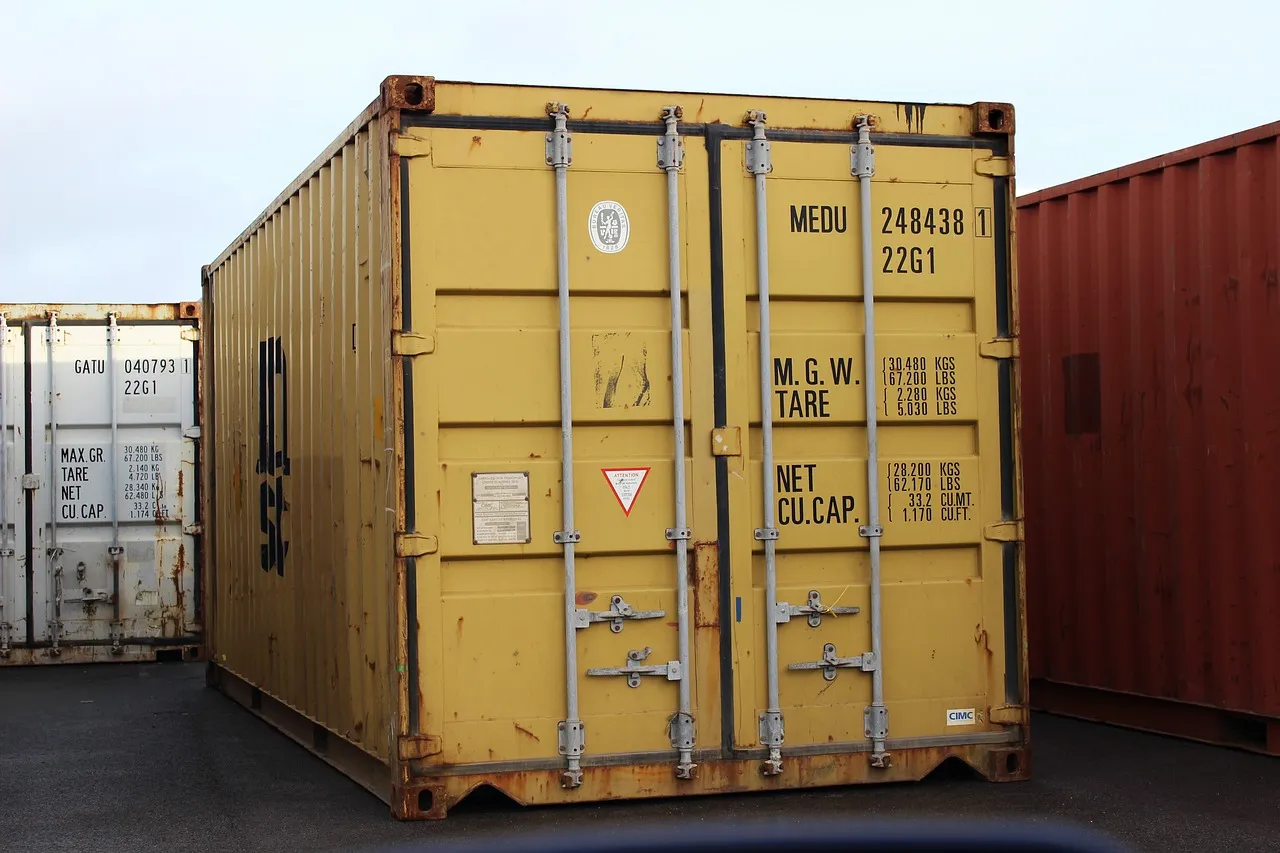
Today, with global procurement becoming mainstream, directly contacting overseas suppliers is no longer difficult, but the "last mile" for goods from overseas to domestic is fraught with traps:
- Tariff Labyrinth: Tariff differences across categories can reach 300%, and misclassification may lead to hefty fines
- Timeliness Black Hole: A certain electronic product missed its launch season due to customs clearance delays, directly losing millions in orders
- Compliance Risks: Last year, in the East China region alone, 37% of imported food failed spot checks and was returned.
The value of professional agencies lies in using experience to foresee risks and resources to optimize processes. Taking the Zhongmaoda cooperation case as an example, through pre-classification services, it helped a client reduce cosmetic import tariffs from 10% to 6%, saving over 80,000 yuan in taxes per single declaration.
Laiwu Kaishen's Three Core Service Advantages
Distinguishing themselves from traditional freight forwarders, these new types of import agents are building differentiated competitiveness:
- Intelligent Customs Clearance System: Real-time synchronization with changes in customs tariffs, increasing declaration accuracy to 99.2%
- Global Service Network: Establishing inspection centers in 12 major trading countries, controlling quality from the source
- Tax Planning Solutions: Utilizing free trade zone policies, a client saved 17% on import VAT
Notably, its pioneering "Customs Clearance Progress Visualization" service allows clients to track the entire clearance process like checking a courier, reducing consultation and communication costs by an average of 60%.
How Can SMEs Leverage Resources to Break Through Challenges?
For enterprises with limited budgets, experts recommend adopting a phased cooperation strategy:
- Trial Order Phase: Choose the agent's basic customs clearance package, focusing on evaluating document processing capabilities
- Stabilization Period: Activate tariff optimization services, which typically reduce overall costs by 3-8%
- Expansion Phase: Customize global supply chain solutions, integrating logistics, warehousing, and distribution links
A certain mother and baby brand, through this tiered cooperation, expanded its import business from 5 million to 120 million within three years, while the proportion of customs clearance costs decreased by 40%.
Where is the Next Trade Dividend?
As agreements like RCEP deepen, tariffs on ASEAN imported goods are decreasing by 0.5-2% annually. Enterprises that have pre-positioned their Southeast Asian supply chains have already begun to enjoy policy dividends. However, it's worth noting that inspection and quarantine standards in emerging markets are often more complex, which is precisely where professional agents can demonstrate their value.
Next time you see an advertisement for "Global Direct Sourcing," consider this: what truly determines the profit of an import business might not be the purchasing price difference, but rather those invisible customs clearance costs. Feel free to share your cross-border trade experiences in the comments section, or leave the import agency questions you most want to know.

Recent Comments (0) 0
Leave a Reply