Mr. Xiong has been struggling recently. His factory's high-quality hardware products are in high demand overseas, but profits are eroded through multiple layers when exporting through traditional foreign trade companies. Meanwhile, Mr. Xiong cross-border e-commerce team, unfamiliar with customs declaration procedures, has had three consecutive shipments detained by customs. As businesses embark on internationalization, direct export and agency models are like two diverging paths, and choosing the wrong one can mean significant financial losses.
I. Direct Export: The Game of Control vs. Threshold
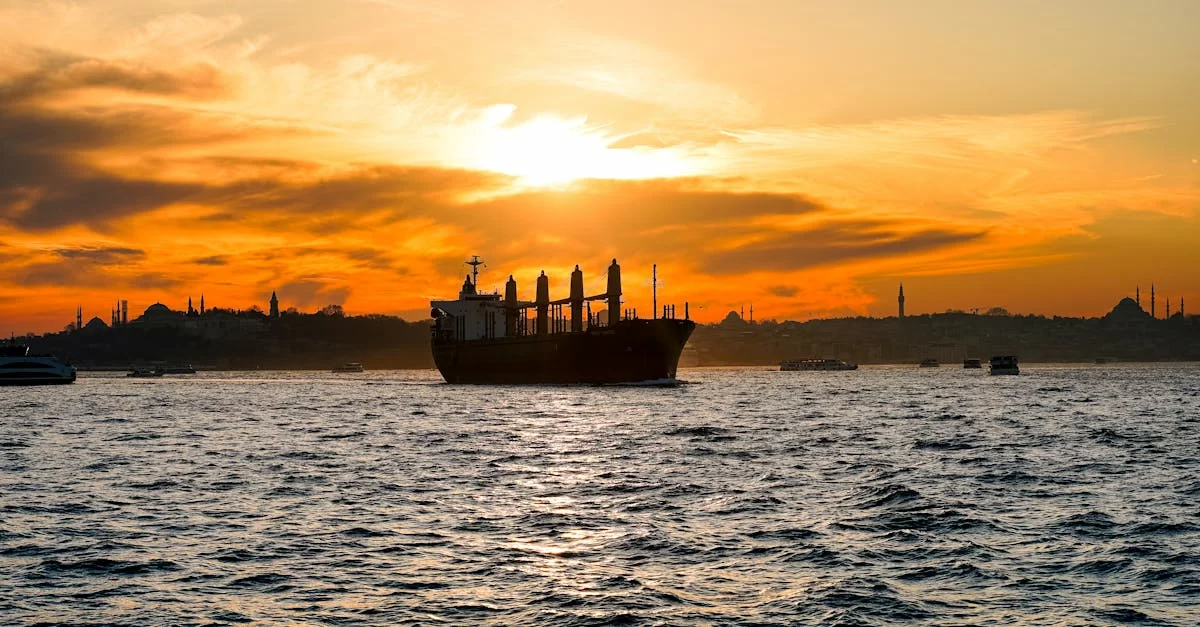
Direct export is akin to a self-drive tour, requiring businesses to:
- Assemble a professional foreign trade team (average annual labor cost of about 200,000-500,000 RMB)
- Obtain import and export rights (takes 1-3 months)
- Establish foreign exchange settlement accounts (must cope with exchange rate fluctuation risks)
After choosing direct export, one sanitary ware company reduced its per-shipment customs clearance time from 5 days to 8 hours, but the upfront investment in the ERP system and AEO certification alone cost 800,000 RMB. It is suitable for companies with an annual export volume exceeding 5 million RMB and highly complex products.
II. Agent Export: The Wisdom of Sailing with Borrowed Boats
An agency company acts as a professional guide, offering:
- Advance tax refund funds (alleviating cash flow pressure)
- Handling of the entire set of documents (error rate below 0.5%)
- Addressing trade frictions (e.g., anti-dumping investigations)
Cases from Zhongmaoda show that small and medium-sized enterprises using agents save an average of 32% in operating costs. However, it's important to note that agency fees typically range from 1%-3% of the goods value, and there's a risk of customer information leakage.
III. Decision Matrix: Four Key Dimensions
Using the SWOT tool for analysis:
- Capital Strength: The agency model can reduce working capital occupation by 85%.
- Talent Pool: A senior customs broker's annual salary can reach 150,000-250,000 RMB.
- Product Characteristics: For hazardous materials/special equipment, professional agents are recommended.
- Market Strategy: For long-term planning, direct export is advisable; for market testing, agency is suitable.
IV. Hybrid Model: A Third Possibility
An increasing number of companies are adopting a combination strategy of "Direct export in core markets + Agency in emerging markets". One lighting manufacturer has established its own teams in Europe and the Americas while using agencies like Zhongmaoda in Southeast Asia, achieving a 140% export growth in that year.
At the crossroads of international trade, there is no one-size-fits-all answer. Perhaps the question to ask oneself is: How much are we willing to pay for autonomy? And how much risk of losing control can we bear? Welcome to share your decision logic in the comment section.

Recent Comments (0) 0
Leave a Reply