On the vast stage of international trade, re-export trade shines like a dazzling pearl, attracting the attention of many trade practitioners. With its unique operating model, it creates distinct profit opportunities for participants. Today, let us jointly explore the mysteries of re-export trade profits.
Sources of Re-export Trade Profits
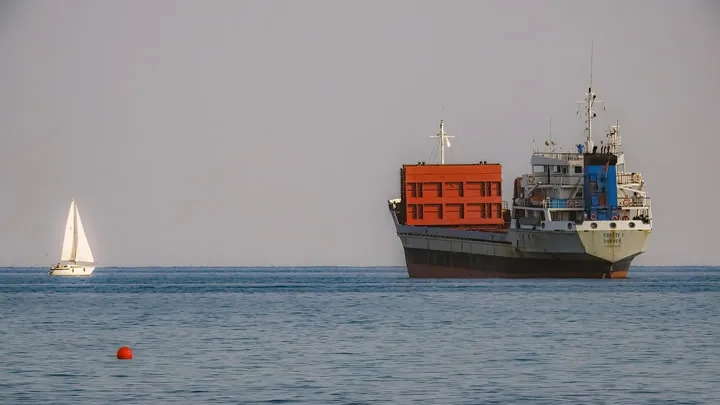
The primary source of re-export trade profits is the price difference. For example, Mr. Lai, with his keen market insight, discovered that the price of a certain product in Country A was low due to local industrial policies, while Country B had strong demand and higher prices for the same product. Thus, Mr. Lai purchased the product from Country A, transshipped it to his re-export trade location, and after some necessary packaging or simple processing, resold it to Country B. The price difference between these two transactions formed considerable profits.
In addition, service fees are also an important component of profits. Mr. Lai has been engaged in re-export trade for many years. She not only provides goods transit services but also offers a series of value-added services such as logistics planning, customs declaration, and clearance for upstream and downstream clients. Clients pay for these professional services, enabling Mr. Lai to earn additional income from re-export trade.
Factors Affecting Re-export Trade Profits
Market supply and demand conditions have a significant impact on re-export trade profits. When the global demand for a certain type of commodity suddenly surges, and the supply side is constrained by various factors, such as natural disasters affecting production, accurately seizing the opportunity to purchase and resell in an appropriate region at this time will yield substantial profits. Conversely, misjudging the market may lead to inventory backlog and profit loss.
Trade policies are also indispensable. Differences in tariff policies, trade barriers, and other factors across different countries and regions directly affect the costs and profit margins of re-export trade. For instance, if the destination country suddenly increases tariffs, re-export traders may need to re-plan their routes or find new alternative markets; otherwise, their profits will be significantly compressed.
Logistics costs are also a key factor. Efficient and low-cost logistics transportation can enhance the profits of re-export trade. Zhongshiotong invests heavily in logistics planning, optimizing transportation routes, and establishing long-term partnerships with high-quality logistics companies to ensure that goods can be transshipped quickly, safely, and at a low cost, thereby improving overall profitability.
Strategies to Enhance Re-export Trade Profits
Strengthening market research is the foundation for enhancing profits. By deeply analyzing global market dynamics and accurately grasping the trends in supply and demand changes, re-export traders can identify the best timing and locations for procurement and sales. Zhongshiotong regularly collects market information and forms a professional market analysis team to seize opportunities in the complex and volatile market.
Optimizing supply chain management is equally important. Establishing long-term and stable cooperative relationships with reliable suppliers and customers ensures the quality of goods and timeliness of supply. Meanwhile, reasonably planning inventory reduces inventory costs and increases capital turnover, thereby enhancing profits.
Furthermore, continuously innovating service models is also an effective way to increase profits. In addition to traditional re-export services, providing personalized solutions, such as customized packaging and product testing, to meet the diverse needs of customers enhances customer satisfaction and thus generates more profits.
Seizing Re-export Trade Profit Opportunities
The opportunities for re-export trade profits are right before us. As long as we deeply understand its operating model, accurately grasp the factors affecting profits, and actively adopt effective enhancement strategies, we can achieve wealth in this field. We hope that more trade practitioners will bravely explore and create their own brilliance on the stage of re-export trade.

Recent Comments (0) 0
Leave a Reply