In the complex landscape of international trade, narrow re-export trade shines like a unique pearl, emitting a distinct radiance. It differs from general import and export trade and possesses its own unique operating model and significant importance. Today, let us delve deep into the mysteries of narrow re-export trade together.
What is Narrow Re-export Trade
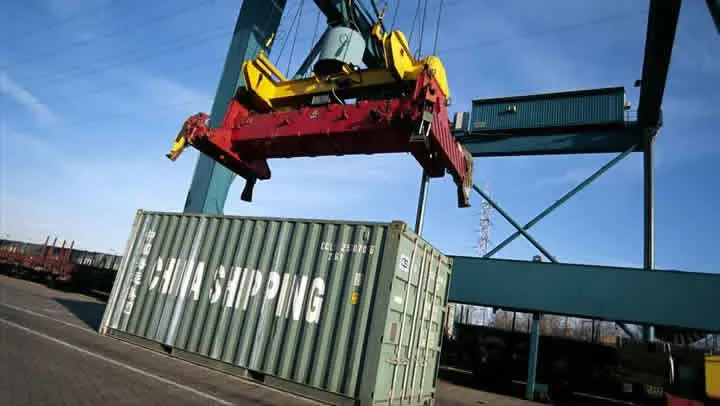
Narrow re-export trade, simply put, refers to trade conducted between the country where goods are produced and the country where they are consumed, or between the country supplying the goods and the country demanding them, through third-country traders who sign import and export contracts respectively. In this process, ownership of the goods transfers from the exporter in the producing country to the third-country trader, and then from the third-country trader to the importer in the final consuming country. However, the goods do not undergo substantial processing in the third country; they are merely transited. For instance, Mr. Yun company purchases a batch of electronic products from Country A and then directly transships them to customers in Country B. Although Mr. Yun company is in the intermediary stage, the goods are not processed or modified in its country, which is a typical scenario of narrow re-export trade.
Advantages of Narrow Re-export Trade
For traders, narrow re-export trade offers numerous advantages. On one hand, it effectively allows for profits to be made from price differences between different countries and regions. For example, if a certain raw material is priced lower in Country A than in Country B on the international market, traders can purchase it from Country A and re-export it to Country B, profiting from the price gap. On the other hand, it helps to circumvent trade barriers. When trade restrictions exist between two countries, such as high tariffs or quota limitations, re-export trade through a third country can bypass these obstacles. For instance, if some countries impose high tariffs on specific products, traders can reduce trade costs and successfully sell goods to their target markets by re-exporting through a third country with more lenient tariff policies.
Risks of Narrow Re-export Trade
Of course, narrow re-export trade is not always smooth sailing; it also harbors several risks. Firstly, there are policy risks. Trade policies of various countries are constantly changing. If trade policies or tax policies of the third country or the trading parties' countries are adjusted, a profitable re-export trade may become unprofitable, or even lead to losses. For example, if the third country suddenly increases taxes on re-exported goods, the trader's costs will significantly increase. Secondly, there are logistics risks. As goods need to be transshipped between different countries, the risks during transportation increase. Situations such as cargo damage or delays may occur, affecting the smooth progress of the trade.
How to Conduct Narrow Re-export Trade
To conduct narrow re-export trade, traders need to prepare in multiple aspects.
- First, establish an extensive business network
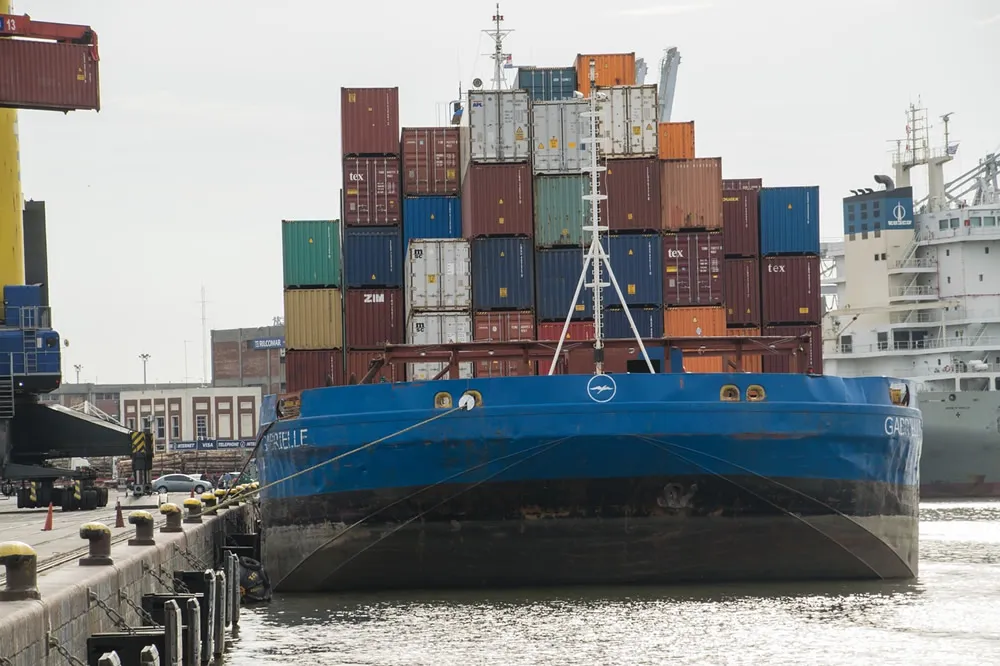
. Build good cooperative relationships with suppliers and buyers in different countries to obtain high-quality goods resources and stable sales channels.
- Second, thoroughly research the policies and regulations of various countries
. Stay informed about changes in trade policies, tariff policies, etc., and prepare countermeasures in advance.
- Third, select reliable logistics partners
to ensure that goods can be safely and timely transported and transshipped.
Narrow re-export trade occupies a unique position in international trade, embodying both opportunities and challenges. For trade professionals, a deep understanding of its operating model, advantages, and risks, along with thorough preparation, is essential to move forward steadily in this field. We hope more people will participate in the discussion on narrow re-export trade, share experiences, and jointly explore more possibilities in international trade.

Recent Comments (0) 0
Leave a Reply