In today's wave of globalization, foreign trade has become an important way for many enterprises to expand their markets and seek development. Among the many modes of foreign trade, self-managed export and agency export have received much attention. Today, let us delve into the matters of the self-managed export and agency export industry together.
I. Self-Managed Export: A Hands-On Foreign Trade Journey
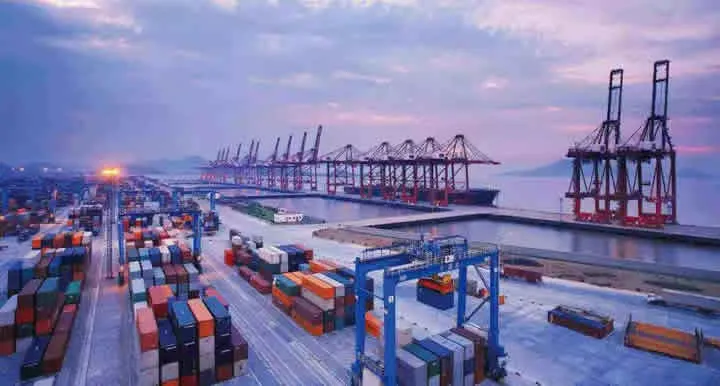
Self-managed export, as the name suggests, is when an enterprise completes the entire export process by its own efforts. This means that the enterprise needs to explore international markets, find overseas customers, negotiate order details, and handle a series of cumbersome export procedures such as customs declaration, inspection, and transportation. For enterprises with certain strength and scale, self-managed export has many advantages.
Firstly, enterprises can directly control the entire export process, and can strictly control key aspects such as product quality and delivery time, thus better maintaining the enterprise's brand image and market reputation. For example, Mr. Wu company, through self-managed export, has established a high-quality brand image in the international market and won the long-term trust of many overseas customers.
Secondly, self-managed export allows enterprises to directly obtain all the profits from export business without sharing with other organizations. This is of great significance for improving the profitability of enterprises. However, self-managed export is not always smooth sailing. It requires higher self-resources and capabilities from the enterprise, needing a professional foreign trade talent team, strong financial strength, and a well-established international marketing network. Otherwise, when facing the complex and volatile international market environment, various problems are prone to occur, leading to obstacles in export business.
II. Agency Export: A Foreign Trade Shortcut by Leveraging External Forces?
Unlike self-managed export, agency export is when an enterprise entrusts its export business to a professional agency. These agencies usually have rich foreign trade experience, professional talent teams, and extensive international business channels. For some enterprises lacking foreign trade experience or with limited resources, agency export seems like a good shortcut.
The advantage of agency export is that it allows enterprises to save a lot of cumbersome procedures and processes, and to concentrate more energy on product research and development and production. For example, Mr. Wu company, which was initially struggling with export business, later chose agency export and successfully pushed its products to the international market with the professional services of the agency. Moreover, agencies can also provide enterprises with some value-added services such as market research and customer development, helping enterprises to better adapt to the demands of the international market.
However, agency export also has certain limitations. Enterprises need to pay a certain agency fee to the agency, which to some extent will reduce the enterprise's profit margin. At the same time, due to entrusted agency, the enterprise's direct control over export business is relatively weak. If it encounters unreliable agencies, there may be problems such as poor information communication and unsatisfactory service quality.
III. How to Choose the Right Export Method for You?
Faced with two different modes of self-managed export and agency export, how should enterprises make their choice? This requires comprehensive consideration of multiple factors.
- Enterprise's own strength and resources: If an enterprise has a strong foreign trade team, sufficient funds, and a well-established international marketing network, then self-managed export may be more suitable, allowing full play to its own advantages and obtaining greater benefits. Conversely, if an enterprise is relatively weak in these aspects, agency export may be a good transitional choice.
- Product characteristics and market demand: For some products with high technical content that require deep involvement of the enterprise in after-sales service and other aspects, self-managed export can better guarantee service quality. For standardized products with broad market demand, agency export can also complete sales tasks well.
- Risk tolerance: Self-managed export faces relatively greater risks, such as market risks and exchange rate risks, which need to be borne by the enterprise itself. If the enterprise's risk tolerance is low, it may prefer to choose agency export and transfer some of the risks to the agency.
Conclusion: The Path of Foreign Trade, Each Has Its Choice
The self-managed export and agency export industries each have their own advantages and disadvantages, and there is no absolute distinction between good and bad. When choosing, enterprises need to combine their actual situation, weigh the pros and cons, and make the decision that best suits them. It is hoped that through today's discussion, more enterprises can have a smoother journey on the road of foreign trade. You are also welcome to share your experiences and views on self-managed export and agency export in the comment section, so that we can learn and progress together!

Recent Comments (0) 0
Leave a Reply