In the complex landscape of international trade, agency export business occupies a unique position. For many enterprises, leveraging agency export allows for more convenient expansion into overseas markets. However, the crucial aspect of remittance collection in agency exports often leaves many puzzled. Who exactly collects the remittance in agency exports? Today, let us unravel this mystery together and delve into its intricacies.
Basic Model of Agency Export
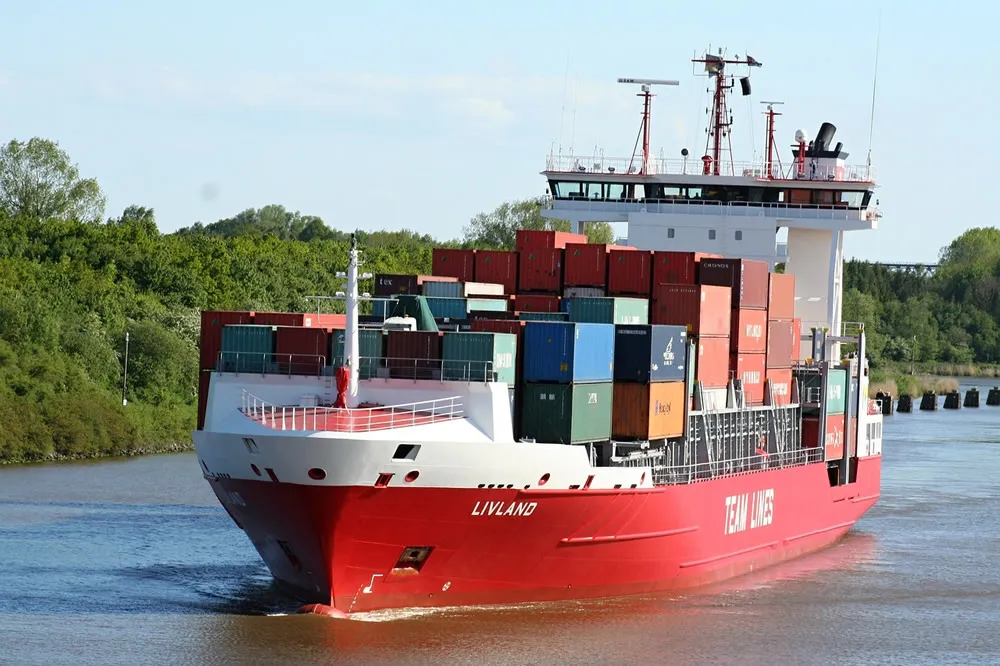
First, we need to clarify the basic operational model of agency export. Generally, the principal (usually a manufacturing enterprise or trading company) possesses goods and export needs but may lack export qualifications, overseas channels, or other resources. Thus, they commission a professional agency company (such as Zhongmaoda) to assist with export-related matters. The agency company, relying on its professional capabilities and resources, is responsible for a series of export process operations such as customs declaration, booking, and commodity inspection.
Normal Circumstances for Remittance Subject in Agency Export
In most standardized agency export businesses, the remittance subject is typically the agency company. This is because, from the perspective of overseas customers, they sign a trade contract with the agency company, and the agency company, as the exporter, is responsible for tasks such as cargo delivery. According to international settlement practices, overseas customers will pay the purchase price to the exporter stated in the contract, which is the agency company. After receiving the foreign exchange, the agency company, based on the agency agreement signed with the principal, will pay the remaining amount to the principal after deducting relevant agency fees and advanced expenses.
For example, Mr. Ye company has a batch of goods to export but lacks the export qualifications, so he commissions Zhongmaoda for agency export. Zhongmaoda signs a contract with the overseas customer. After the goods are successfully exported, the overseas customer pays the purchase price to Zhongmaoda. Zhongmaoda deducts agency service fees and customs declaration fees advanced for Mr. Ye company, and then transfers the balance to Mr. Ye company.
Remittance Subject in Special Circumstances
However, there are also some special circumstances where the remittance subject may differ. One situation is when the principal and the agency company explicitly agree in their agreement, and with the consent of the overseas customer, the payment can be directly made to the principal. But this situation is relatively rare because it places high demands on the principal's credibility, financial strength, and relationship with overseas customers.
Another special circumstance involves complex business models such as three-party trade. For instance, Mr. Ye company acts as an intermediary and commissions Zhongmaoda to agency export goods to the final buyer, while also having an upstream supplier. In this case, the remittance path and subject may be adjusted based on the negotiation among all parties and the actual business situation. It is possible that the agency company collects the remittance and then settles separately with the upstream and downstream parties, or the remittance may be collected by another subject based on special agreements.
Factors to Consider When Choosing a Remittance Subject
Whether it is the principal or the agency company, multiple factors need to be considered when determining the remittance subject. From the principal's perspective, if they have good credibility, mature overseas customer relationships, and wish to directly control cash flow, they may prefer to pursue direct remittance. However, this also means taking on more foreign exchange risks and collection responsibilities. By contrast, when the agency company collects the remittance, although the principal's cash flow may be slightly slower, they can leverage the agency company's professional foreign exchange handling capabilities to reduce foreign exchange risks. For the agency company, collecting remittances means control over funds and risk management, while also increasing financial management costs.
Conclusion and Reflection
The determination of the remittance subject in agency exports is not fixed; it depends on the agency agreement, the business model, and the actual situation of all parties. Both principals and agency companies should fully understand the rules and risks involved and make decisions cautiously. We hope that through today's discussion, readers will gain a clearer understanding of the key issue of remittance subjects in agency exports. If you have relevant experience or insights in your practical business, you are welcome to share them in the comments section for us to exchange and learn together.

Recent Comments (0) 0
Leave a Reply