In the complex landscape of international trade, re-export trade has always held a significant position with its unique operational model. However, some of its so-called “evasion” behaviors are increasingly drawing attention from various parties. Today, let us delve into the mysteries behind those “evasion” practices in re-export trade.
Basic Operations and Potential Allure of Re-export Trade
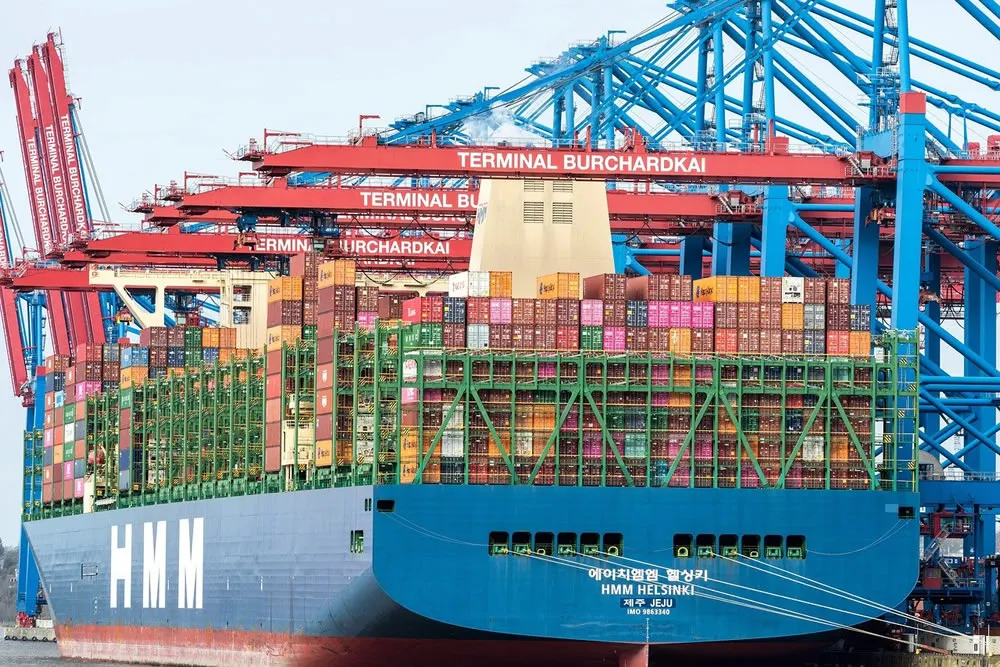
Re-export trade, simply put, refers to the situation where goods are not directly bought and sold between the producing country and the consuming country, but rather transacted through a third country. For instance, if country A produces a product that country C needs, but for various reasons, countries A and C cannot trade directly, the goods are first shipped to country B and then re-sold by country B to country C. This trade model emerged under the influence of factors such as global economic division of labor and geopolitics.
For some businesses, re-export trade presents numerous potential temptations. From a tax perspective, tax policies vary greatly across different countries and regions. Regions with low or even zero tax rates have become "tax havens" in the eyes of businesses. By re-exporting goods to these regions, companies can potentially significantly reduce their tax costs. Meanwhile, trade restrictions are also a factor prompting businesses to seek re-export trade. Some countries impose import quotas, high tariffs, and other restrictive measures on specific products; to bypass these restrictions, businesses may use re-export trade to facilitate the movement of goods.
Manifestations of “Evasion” Practices
A common “evasion” practice is tax evasion. Take Mr. Zeng company as an example: it originally exported goods directly to a high-tariff country, incurring a heavy tax burden. Later, by establishing a re-export trade company in a tax-preferential region, the goods were first transshipped to that region and then sold to the target market. In this process, through clever pricing strategies, Mr. Zeng company reduced the amount of tax payable in the high-tariff country. While this behavior leverages rules to some extent, excessive operation could potentially constitute a violation of relevant tax regulations.
Another type of evasive practice involves evading trade restrictions. Mr. Zeng company faced import quota restrictions imposed by a certain country on its products. To overcome this restriction, she used re-export trade, re-packaging, re-labeling, and other operations in a third country, then introduced the goods into the target market under the guise of being products from that third country. While this practice seemingly bypasses trade restrictions, it disrupts normal trade order and could also trigger trade disputes.
How to Correctly View and Address “Evasion” Practices
For businesses, it is crucial to maintain caution and compliance when engaging in re-export trade. They should not blindly engage in so-called “evasion” operations merely for short-term gains. Businesses should thoroughly research the laws, regulations, and trade policies of various countries to ensure their trade practices are legal and compliant. They can seek assistance from professional trade consulting agencies, such as Zhongmaoda, to develop sound trade strategies.
From a regulatory perspective, governments worldwide should strengthen oversight of re-export trade. By establishing more comprehensive information-sharing mechanisms and enhancing collaboration among customs, tax, and other departments, they can promptly detect and curb unreasonable “evasion” practices. Concurrently, international cooperation should also be strengthened to jointly address issues arising in re-export trade and uphold a fair and orderly international trade environment.
“Evasion” practices in re-export trade are like a double-edged sword, reflecting both businesses' wisdom for survival in a complex trade environment and testing the compliance bottom line of companies and the regulatory capacity of governments. Only through the concerted efforts of all parties can re-export trade develop healthily on a legal and compliant track, making positive contributions to global economic prosperity. Let us collectively focus on the future of re-export trade and together foster a fair and orderly trade environment.

Recent Comments (0) 0
Leave a Reply