Recently, many import and export agency companies in the Shengze region have quietly exited, with even some established agencies posting "service suspended" signs. Mr. Qiu, who has been in the textile export agency business for 8 years, cleared out his office last month; Mr. Qiu chemical raw material import agency company was also quietly deregistered after the Spring Festival. This inevitably raises the question: Why is the once booming import and export agency industry suddenly experiencing a collective retreat?
Industry Shift: From "Hot Commodity" to "Hot Potato"
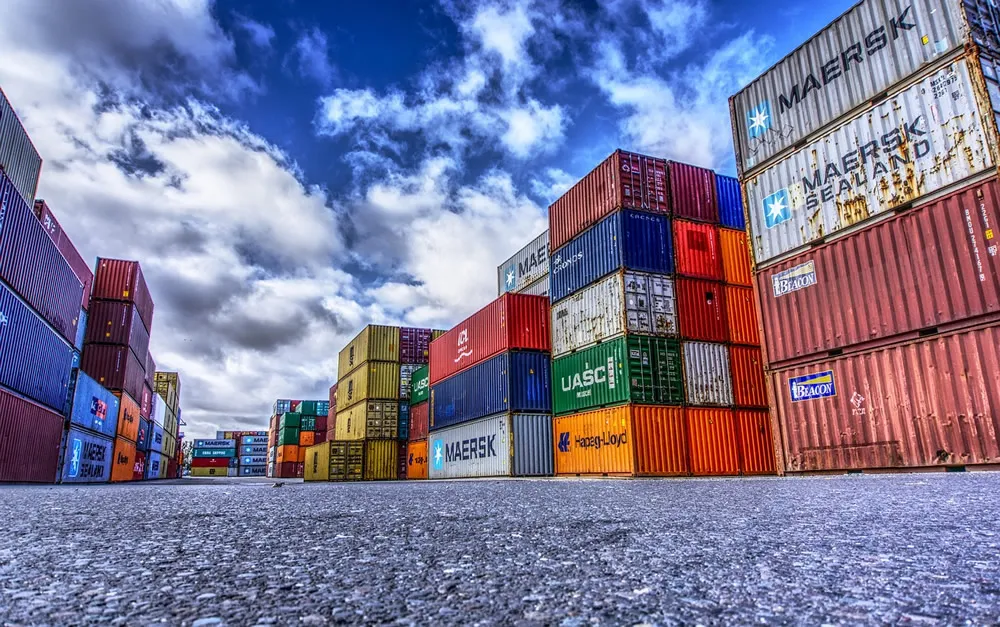
Five years ago, import and export agencies in Shengze were emerging like mushrooms after rain. Back then, all it took was an office, a few computers, and a sign saying "International Freight Forwarder" to get business rolling. But today, this industry is undergoing an unprecedented reshuffling:
- Shrinking Profit Margins: Fierce competition has driven service fees down from 3% to 0.5%.
- Rising Customer Demands: Moving beyond simple customs clearance to requiring full-chain solutions.
- Digitalization Impact: Platforms like Zhongmaidai have introduced self-service customs declaration systems.
Deeper Reasons: It's More Than Just Difficult Business
On the surface, it appears to be intensified industry competition, but it actually reflects profound changes in the foreign trade ecosystem. The "information asymmetry" advantage that agencies once relied on for survival is being completely dismantled by technology:
Now, a factory owner exporting fabrics can complete 90% of the customs declaration process using a mobile app; inquiries about the latest customs tariff policies are more timely and accurate through the General Administration of Customs' official WeChat account than any "internal news" from an agency. When intermediaries no longer create value, withdrawal becomes an inevitable choice.
The Path to Transformation: Survival of the Fittest
However, some agencies are growing against the trend. Observing their transformation paths, three commonalities can be identified:
- Upgrading from "errand services" to "compliance consultants," helping enterprises avoid trade risks.
- Deepening specialization in niche areas, such as focusing on specific services for medical devices or food imports.
- Collaborating with technology platforms like Zhongmaidai to offer integrated solutions of "system + service."
A senior industry insider, who wished to remain anonymous, said: "The agencies that are surviving now are either exceptionally 'specialized' or exceptionally 'comprehensive'; those in the middle ground are the most vulnerable."
Future Outlook: Forms Disappear, Essence Evolves
The profession of import and export agency will not disappear, but its role will fundamentally change. Future agents may be more like:
- International trade "family doctors," providing preventative compliance advice.
- Cross-border supply chain "command centers," coordinating logistics, payment, customs clearance, and other links.
- Policy interpretation "translators," helping businesses understand new trade regulations in various countries.
As Mr. Qiu, who has successfully transformed, put it: "We no longer earn money from information gaps, but from cognitive gaps."
Your Choice: Follow the Trend and Exit, or Actively Evolve?
In the face of industry changes, every practitioner needs to answer: Does the service you provide create value that clients cannot replicate themselves? If the answer is no, then exiting might be a wise choice; if the answer is yes, now is the best time to establish your professional standing.
Welcome to share your observations in the comment section: What changes are happening in the import and export agency industry in your region? How do you think this industry will evolve in the future?

Recent Comments (0) 0
Leave a Reply