At a late-night wine tasting event, Mr. Wei gently swirled the Burgundy glass in his hand, the amber liquid shimmering with a mysterious glow under the lights. "This bottle of wine has journeyed through at least 6 stages from a French estate to a Chinese dining table," his words lifted the veil on the imported wine agency industry. Today, we delve into this blue ocean market with an annual growth rate exceeding 15%, unveiling how to introduce world-class wines into the domestic market through professional agency.
Why Choose to Agency Imported Wine?
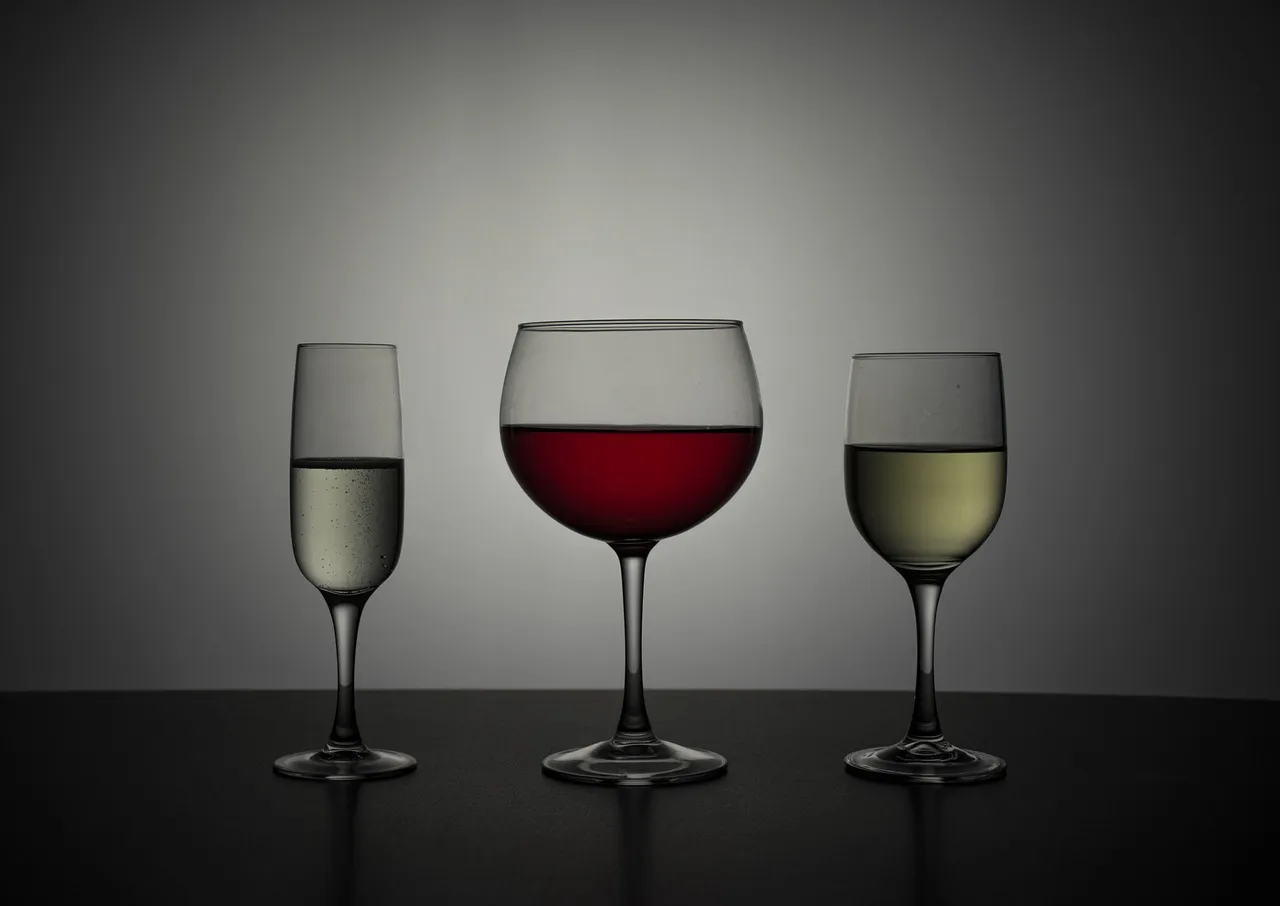
Against the backdrop of consumption upgrading, imported wine has transformed from a luxury item into a daily consumable. Data shows that in 2023, China's wine import volume reached 380 million liters, of which non-renowned brands accounted for over 60%, creating immense opportunities for professional agencies. Mr. Wei case is quite representative: the niche Spanish winery products she distributed, by precisely targeting urban women aged 25-35, achieved a 200% sales growth in the first year.
- Considerable Profit Margins: Markups for ordinary table wines can reach 80-120%
- Stable Market Demand: Annual consumption in wedding and business scenarios is increasing
- Policy Support: Free trade agreements reduce tariff barriers
Three Core Links of Agency Import
Successful wine agency is far from a simple "transportation" business. Zhongmaoda industry research shows that professional operation requires controlling three key nodes:
1. Source Control
When visiting wineries, one should not only look at tasting notes, but also verify DOCG certification documents, annual production records, and winemaker's resume. A random inspection once revealed that a product claiming to be from a century-old Italian winery was actually registered in 2015.
2. Customs Clearance Compliance
Chinese back labels must include 8 mandatory items: raw materials and auxiliary materials, country of origin, alcohol content, warning statements, etc. Last year, 37 batches of red wine were returned due to non-compliant labels.
3. Warehousing and Logistics
Constant temperature warehouses must maintain 12-18℃, and temperature fluctuations during transportation must not exceed 5℃. A batch of Barolo worth millions deteriorated due to excessive summer transportation temperatures.
Avoid These "Pitfalls" to Go Further
Common pitfalls for newcomers include blindly pursuing famous estate wines (high capital occupation), ignoring regional protection clauses (leading to channel conflicts), and underestimating the value of cultural marketing (only emphasizing alcohol content and price). More hidden risks include:
- Some South American wine merchants offer "custom private label" services, which are actually blended wines
- Differences exist between EU organic certification and domestic standards
- Pricing conflicts between cross-border e-commerce channels and traditional agencies
The Future is Here: Differentiated Competition Strategies
As consumer awareness increases, simple price wars are no longer effective. Leading distributors will do the following:
• Establish a blockchain traceability system to scan codes and view vineyard real-time scenes
• Develop a food pairing mini-program to recommend wine and Chinese cuisine combinations
• Organize Winemaker China Tour events to create cultural IPs
• Launch mini bottle sets to lower the trial threshold
Standing at the new starting point of 2024, imported wine agency is shifting from "channel-is-king" to "value-is-king". Next time you raise your glass, consider this: Does this intoxicating red also hold your business opportunities? Feel free to share your insights on the wine market in the comments section, or send a private message to get the e-version of the imported wine agency compliance manual.

Recent Comments (0) 0
Leave a Reply