In today's wave of globalized business, the pace of domestic goods going global and reaching the world is accelerating, and agent export plays a crucial role in this. Today, let's delve into the domestic agent export process together and unveil its seemingly mysterious facade.
I. Preliminary Preparation Phase
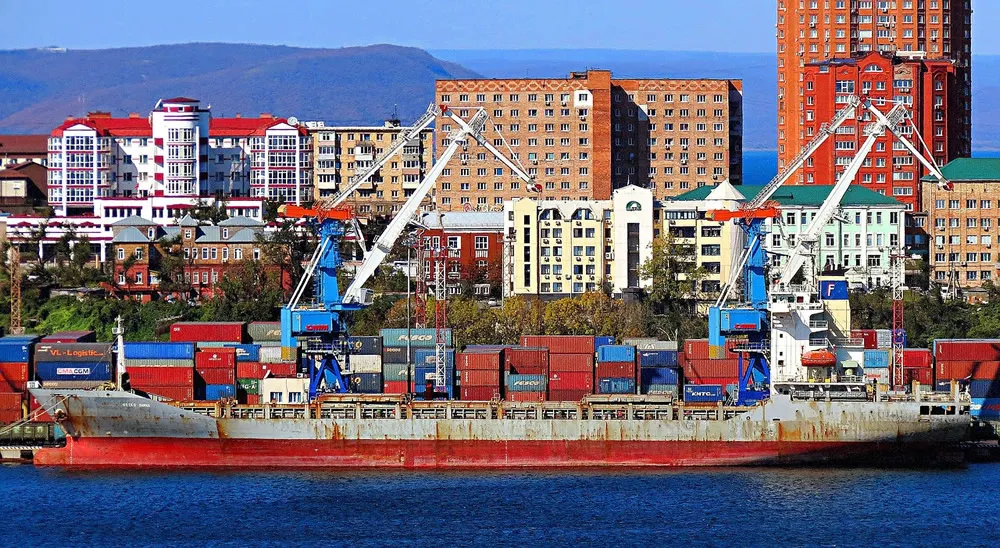
Confirming Cooperation Intention: Mr. Gong, as a domestic supplier, must first communicate and negotiate with a professional agent exporter like Zhongmaoda to clarify their cooperation intention, including important matters such as the scope of agency, fees, and division of responsibilities. This is akin to the preliminary planning for building a bridge; only when the foundation is solid can subsequent cooperation proceed smoothly.
Providing Product Information: Mr. Gong needs to provide all relevant information about his domestically produced products to Zhongmaoda, such as product specifications, performance, quality standards, and manuals. This information is crucial for the agent exporter to accurately introduce the product to international clients, much like creating a detailed 'resume' for the product, allowing it to better showcase its advantages in the international market.
II. Signing the Agency Agreement
Once both parties' cooperation intention is clear and product information has been handed over, the next step is to sign the formal agency agreement. This agreement is an important legally binding document, which will detail the rights and obligations of both parties. For example, Zhongmaoda, as the agent exporter, is obligated to promote and sell Mr. Gong products through agreed-upon methods and channels, while Mr. Gong must ensure timely delivery of goods conforming to quality and quantity requirements. The signing of the agreement is like putting an 'insurance lock' on their cooperation, safeguarding each other's interests.
III. Finding International Clients
Leveraging its resources and channel advantages, Zhongmaoda begins to search for suitable international clients. This is not an easy task, requiring a deep understanding of the international market to know which regions and client groups have demand for Mr. Gong domestic products. They may expand client resources through various methods such as participating in international exhibitions, online promotion, and collaborating with international distributors, much like casting 'fishing nets' into the vast ocean of international business, hoping to catch suitable 'big fish' – high-quality international clients.
IV. Negotiating Orders and Signing Contracts
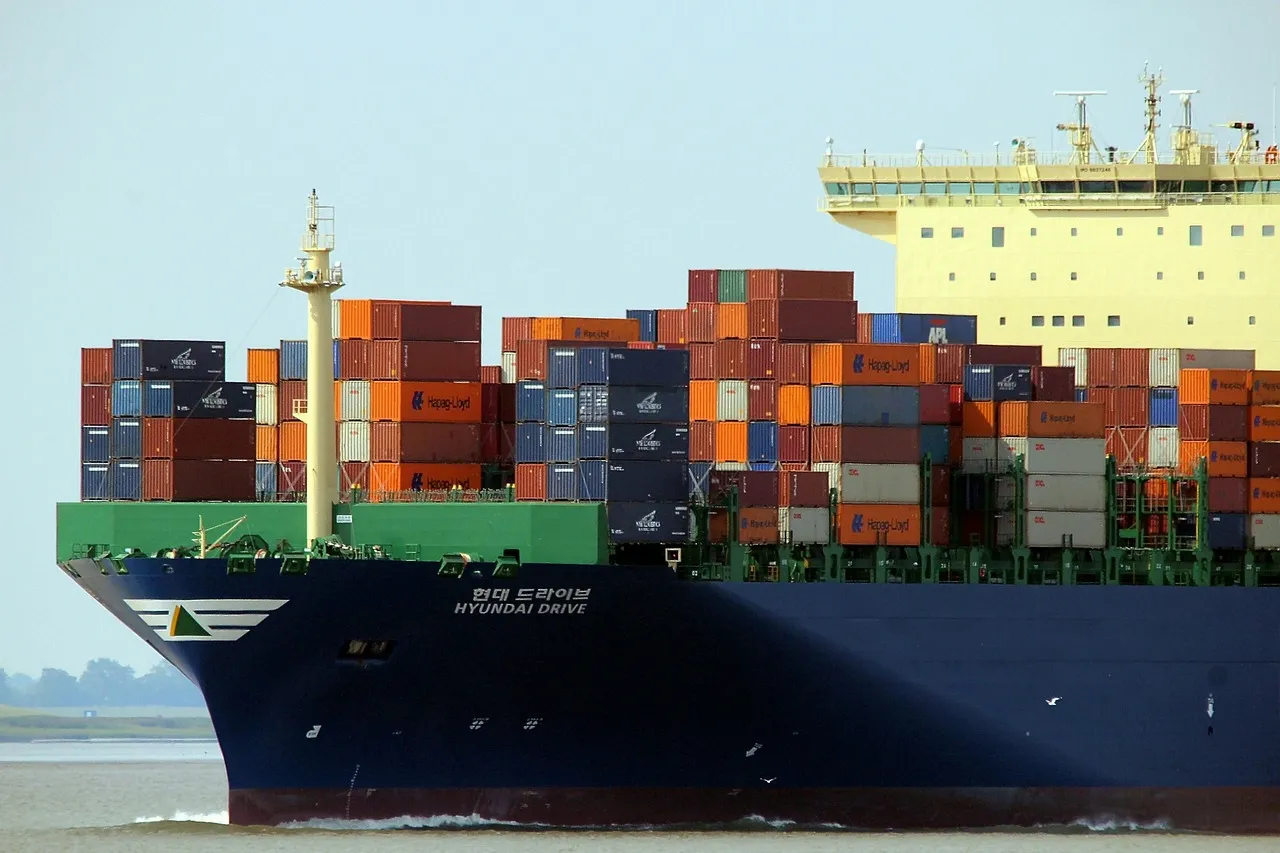
Once an international client with purchasing intent is found, Zhongmaoda will arrange detailed negotiations with the client. This involves numerous key elements such as product price, delivery period, and payment method. After repeated communication and negotiation, and once an agreement is reached, a formal export contract will be signed. This contract serves as the basis for the execution of the entire subsequent export process, and every clause is critical to the success or failure of the transaction, thus requiring extreme caution.
V. Production and Stocking
Upon receiving the order information from Zhongmaoda, Mr. Gong must organize production and stocking according to the contract requirements. It is essential to ensure that the product quality meets export standards and that the quantity is correct. This is like preparing for a tense 'battle,' where every link must be precise and flawless to ensure that qualified products are delivered within the specified delivery period.
VI. Customs Declaration and Transportation
Zhongmaoda is responsible for handling customs declaration procedures, which requires preparing a series of documents such as customs declaration forms, commercial invoices, and packing lists. After customs clearance, suitable transportation methods will be arranged to ship the goods to the international client's designated location. Options include sea freight, air freight, or land transport, with the specific choice determined comprehensively based on the nature of the goods, quantity, delivery period, and client requirements. This process is like embarking the product on a transnational 'journey,' ensuring it arrives safely and punctually at its destination.
VII. Payment Collection and Settlement
Once the international client receives the goods and confirms everything is correct, payment will be made according to the payment method stipulated in the contract. Upon receiving the payment, Zhongmaoda will settle accounts according to the agency agreement signed with Mr. Gong, paying him the outstanding goods payment. At this point, the entire domestic agent export process is successfully completed.
Having understood the domestic agent export process, doesn't it make the journey of domestic products to the world seem less mysterious? Business owners and professionals might consider how to better utilize this agent export model to expand into international markets, taking into account their own specific circumstances. We welcome everyone to leave comments and discuss in the comment section.

Recent Comments (0) 0
Leave a Reply