"The quote showed considerable profit, but by the time of settlement, it felt like all the effort was in vain!" This is the recent predicament of Mr. Wang, a foreign trade practitioner. Cases like Mr. Wang are not uncommon. As a "hidden cost" in foreign trade, export agent fees often become a major pitfall for novices. This article will dissect the logic behind agent fees to help you accurately calculate this crucial expenditure.
I. Core Components of Agent Fees: More Than Just Service Charges
Export agent fees typically include three parts:
- Basic Service Fee: 0.5%-3% of the contract amount, fluctuating based on cargo type and export country
- Additional Operation Fees: Per-instance charges for document processing, inspection, and supervision
- Interest on Advanced Funds: The cost of funds for tax rebates advanced by the agent
Mr. Wang textile export case is a prime example: for a $1 million order, the agent fee was ostensibly only 1.5%, but due to frequent amendments to the letter of credit, additional documentation fees were incurred, pushing the final cost to 2.8%.
II. Four Variables Affecting Pricing
1. Product Risk Level
Agent fees for chemicals are generally 0.8%-1.2% higher than for apparel due to special procedures like hazardous material declaration. A Zhongmaoda client exporting lithium batteries experienced a 40% cost increase due to the absence of UN38.3 certification.
2. Differences in Settlement Methods
- L/C Settlement: An additional 0.3%-0.5% for document examination fees
- DP/DA Payment: Risk deposit usually ranges from 10% to 30%
3. Export Destination
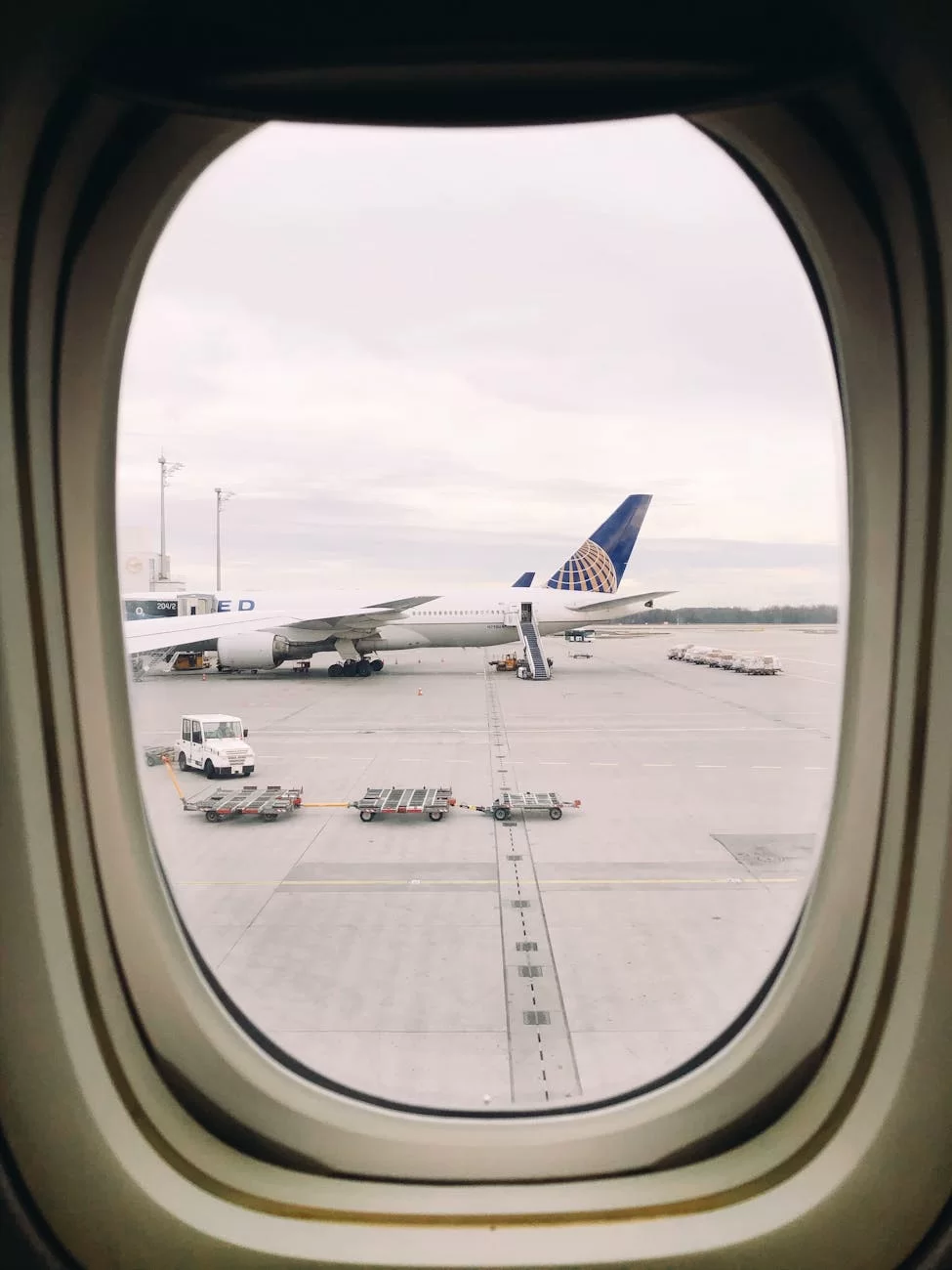
Routes to Central and South America and Africa may incur high miscellaneous charges at the port of destination. Some agents may collect a contingency fee in advance.
4. Enterprise Export Qualifications
Companies with their own export rights can save 1%-1.5% on service fees for tax rebate buyouts, but they must bear the pressure of the tax rebate cycle.
III. Pitfall Avoidance Guide: Negotiate More Advantageously
Tiered Pricing: For annual export volumes exceeding $5 million, a discount of 0.2%-0.5% can be negotiated. A Zhongmaoda client reduced their fee rate from 1.8% to 1.3% through volume-price binding.
All-Inclusive Fee System: For stable product categories, an "all-inclusive price" can be agreed upon to avoid fragmented additional charges. However, force majeure events such as war and strikes must be explicitly excluded.
Benchmarking: Request the agent to provide a Fee Breakdown Sheet and focus on comparing the cost of capital occupation. Some companies have found that the difference in interest rates for advances between different agents can reach 4% annually.
IV. The Ultimate Question: Build an In-house Team or Hire an Agent?
Based on industry experience calculations:
- Annual export value
- Annual export value > $10 million: It is recommended to build an in-house foreign trade department (but customer resource control needs to be considered)
In this VUCA era, the essence of export agent fees is the cost of risk transfer. Feel free to share your experiences in the comments section: do you choose to "pay for peace of mind," or do you insist on "making every penny count"?

Recent Comments (0) 0
Leave a Reply