In today's metal market, the reuse of scrap copper holds significant importance, and the agency import of scrap copper involves numerous steps and procedures. Today, let's delve into the matter of agency import of scrap copper procedures to provide you with a clear understanding.
I. Preliminary Preparatory Procedures
Qualification Review: Firstly, the agency must possess the relevant import-export qualifications. This is not something just any company can do; it requires strict review by the relevant authorities to ensure the company has the capability and conditions to engage in import business. For instance, the business scope registered with the Administration for Industry and Commerce must include import-export related business activities.
Filing and Registration: Furthermore, registration with customs is necessary. Accurate and complete submission of the company's basic information and business scope to customs allows customs to supervise and provide services. It's akin to "checking in" with customs so they are aware of an entity intending to engage in the agency import of scrap copper.
II. Environmental Compliance Procedures
The import of scrap copper is inseparable from environmental requirements. Environmental Permit: A corresponding environmental permit must be obtained to ensure that the imported scrap copper does not cause pollution to our environment during subsequent processing and utilization. Relevant departments will assess the applicant's environmental facilities, processing capacity, etc., and issue the permit only upon meeting the standards.
Waste Import Permit: This is also a crucial document. Only with this permit can scrap copper be legally imported from abroad. Applying for this permit requires the submission of detailed import plans, information on the source of scrap copper, and undergoes multi-level approval before it can be granted.
III. Commercial and Transportation Procedures
Contract Signing: The agency must sign a detailed import contract with overseas suppliers, clearly specifying the specifications, quantity, price, delivery time, and location of the scrap copper. These are important bases for safeguarding the rights and interests of both parties, and should any issues arise, this contract will be relied upon for resolution.
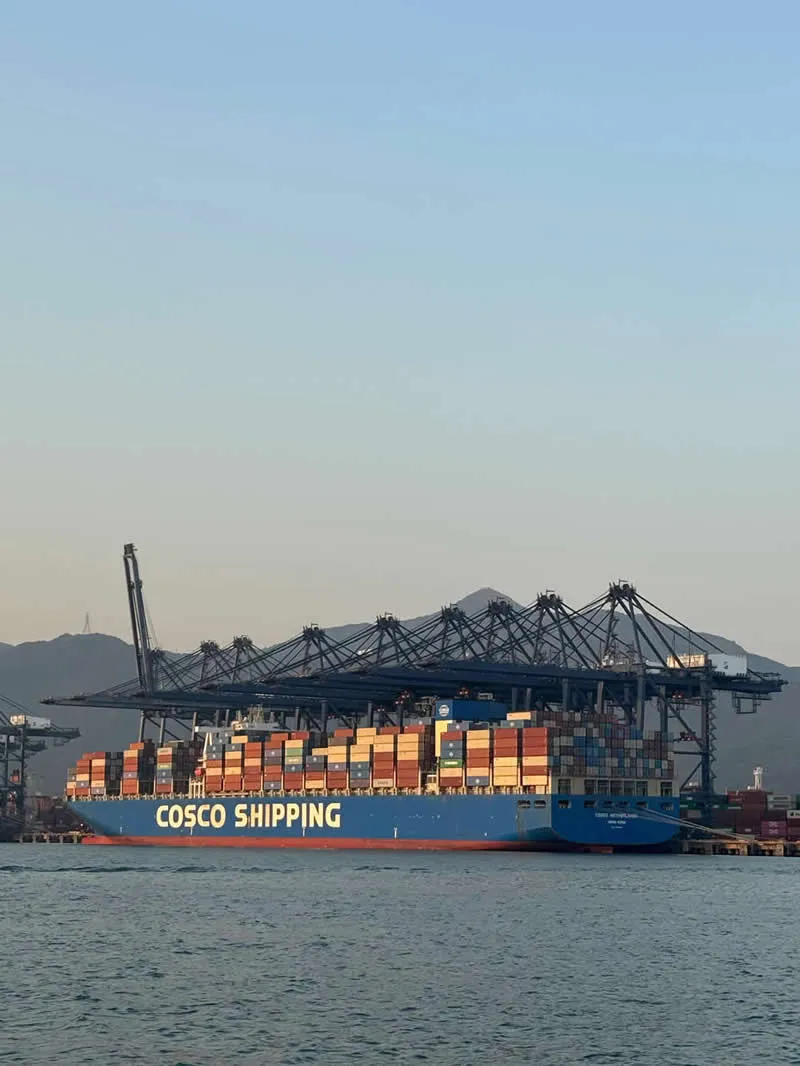
Transportation Arrangements: Suitable transportation methods must be arranged, with sea freight being common. Reliable shipping companies should be selected to ensure the scrap copper is transported safely and punctually to domestic ports. Concurrently, relevant transportation insurance should be obtained to cover any accidental losses during transit.
IV. Post-Arrival Procedures
After the scrap copper arrives at the domestic port, a series of procedures still need to be completed. Customs Declaration and Inspection: Customs declaration must be made to customs in a timely manner, submitting relevant documents such as the import contract, invoice, and bill of lading. At the same time, inspection and quarantine authorities must be notified for inspection of the scrap copper's quality, specifications, etc., to ensure compliance with domestic requirements.
Tax Payment: According to national regulations, relevant customs duties, value-added tax, and other taxes must be paid. Only after all taxes are settled can the scrap copper be successfully collected for subsequent processing and utilization.
The procedures for the agency import of scrap copper are indeed rather complex, but as long as one follows the regulations step by step and completes all formalities properly, business can be conducted smoothly. We hope that all friends who have such needs will have a clear understanding of these procedures. If you have any further questions, feel free to leave a comment for discussion; you might receive useful advice from other friends.

Recent Comments (0) 0
Leave a Reply