"This batch of electronic products imported from Vietnam arrived in Chongqing 3 days earlier than expected!" Mr. Chang, looking at the neatly stacked cartons in the warehouse, couldn't help but marvel at the efficiency of sea-rail intermodal transport. With the vigorous development of the New International Land-Sea Trade Corridor, Chongqing, as a highland for inland opening-up, is reshaping the international logistics landscape through its sea-rail intermodal model. This article will take you on an in-depth analysis of how this innovative model helps import enterprises reduce costs and increase efficiency.
What is Sea-Rail Intermodal Transport? Why Choose Chongqing?
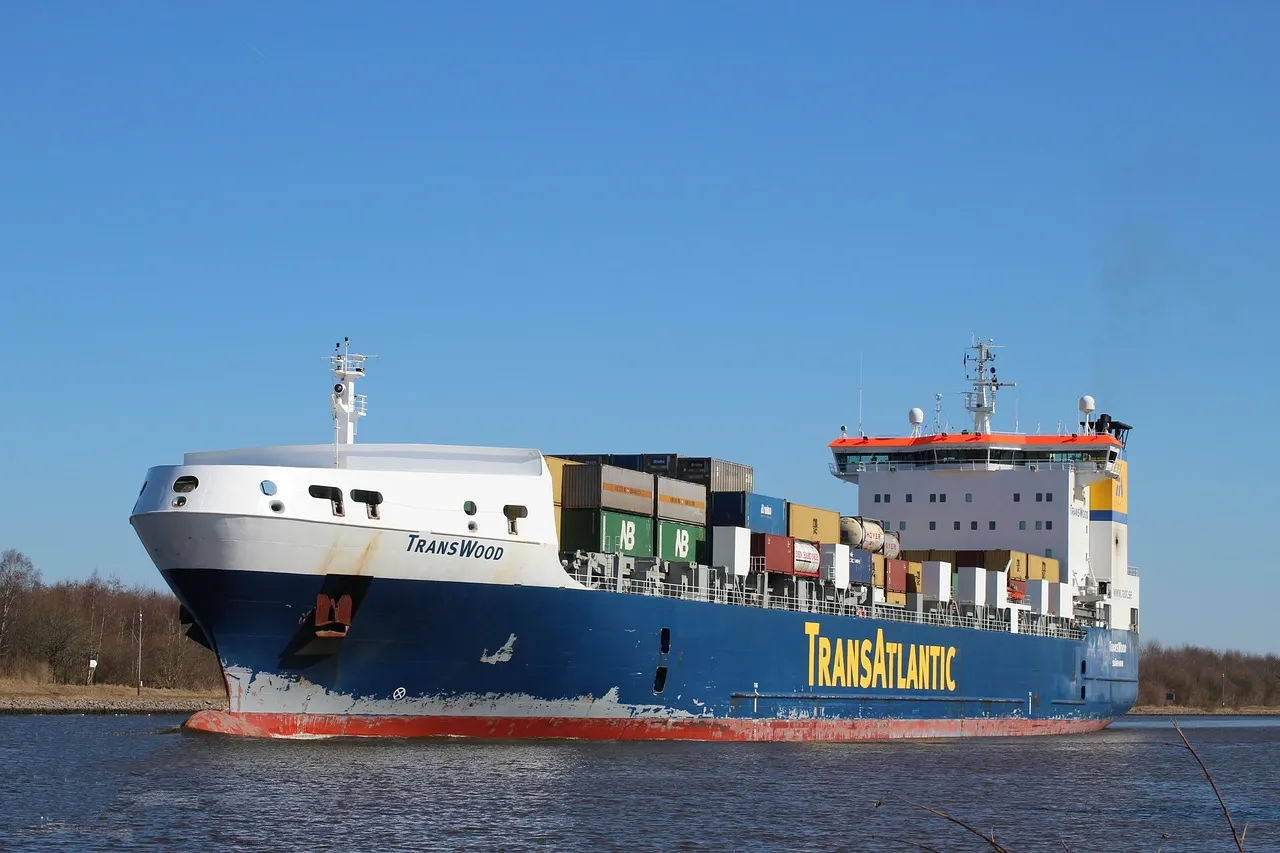
Sea-Rail Intermodal Transport refers to the seamless connection between sea shipping and railway transport, where goods, after arriving at coastal ports via international sea freight, are directly transferred to railway transport to inland destinations. Leveraging its advantageous position at the intersection of the "Belt and Road" initiative and the Yangtze River Economic Belt, Chongqing has launched regular train services to ports such as Qinzhou and Guangzhou, establishing a multimodal transport network of "sea + rail + road."
Mr. Chang case of importing chemical raw materials is quite representative: "In the past, full sea transport to Shanghai and then transferring to Yangtze River shipping took 28 days. Now, with sea-rail intermodal transport via Qinzhou Port, it takes only 15 days to reach Chongqing Guoyuan Port directly, reducing logistics costs by 20%." This model is particularly suitable for high value-added goods such as electronic products and automotive parts.
Core Values of Import Agency Services
Professional agencies can help enterprises solve three major challenges:
- Customs Clearance Efficiency: Pre-classification declaration, tariff planning, and other pre-services, shortening average clearance time by 48 hours.
- Risk Control: International segment transport insurance, cargo tracking system, emergency response plans for unusual situations.
- Cost Optimization: Selecting the optimal route based on cargo characteristics; for example, recommending the "Vietnam-Qinzhou-Chongqing" constant temperature transport chain for cold chain goods.
Key Nodes in the Operational Process
Taking a typical project handled by Zhongmaoda as an example:
- Overseas Pickup Stage: Coordinating loading at the port of origin and maritime inspection.
- International Transport Stage: Real-time monitoring of sea vessel dynamics and coordinating with railway train schedules.
- Domestic Customs Clearance Stage: Utilizing Chongqing Free Trade Zone's "advance declaration" policy to achieve "release upon arrival."
It is worth noting that the newly launched "Railway Express Clearance" mode this year has further improved overall efficiency by 12%.
Future Trends and Action Recommendations
With the deepening implementation of RCEP, agricultural products and rubber products imported from ASEAN countries via Chongqing will experience explosive growth. Enterprises are advised to:
- Proactively plan Southeast Asian supply chains and leverage the time efficiency advantages of sea-rail intermodal transport.
- Pay attention to the list of designated supervision sites at Chongqing railway ports (e.g., ports for fruits, meat).
- Establish long-term cooperation with professional agencies to share logistics big data analysis.
Are you currently evaluating import logistics solutions? We welcome you to share your industry observations, and let's jointly explore new possibilities for inland opening-up.

Recent Comments (0) 0
Leave a Reply