“Mr. Zhan has been troubled recently. His cross-border e-commerce business has good sales, but the actual profit is always less than expected. It wasn't until his accountant reminded him that he realized he might have missed out on the hidden benefit of **cross-border export tax rebates**.” If you, like Mr. Zhan, have a vague understanding of export tax rebates, this article will unveil its mystery.
What is a Cross-Border Export Tax Rebate?

Simply put, a cross-border export tax rebate refers to the policy where the state refunds the value-added tax and consumption tax already levied on exported goods. This is equivalent to the state “reducing the burden” for export enterprises, making Chinese goods more price-competitive in the international market. **According to data from the General Administration of Customs, the total amount of export tax rebates nationwide in 2022 exceeded 1.8 trillion yuan**, yet a large number of SMEs are still missing out on these dividends due to a lack of policy understanding.
Why Must You Pay Attention to Export Tax Rebates?
Mr. Zhan foreign trade clothing company is a typical case: by systematically applying for tax rebates, her profit margin increased by 5 percentage points. The core value of export tax rebates lies in:
- Directly increasing cash flow: Rebate funds can be credited as quickly as 15 working days
- Reducing operating costs: An average of 6-13% of the commodity value can be refunded
- Ensuring compliant operations: A sound rebate process can also standardize the financial system
Get Export Tax Rebates Done in Three Steps
Zhongmaoda foreign trade service experts recommend following these steps:
- Step 1: Qualification Preparation: Obtain import and export rights, and complete export tax rebate qualification certification
- Step 2: Document Management: Keep core documents such as customs declarations, VAT invoices, and foreign exchange collection certificates
- Step 3: Declaration Operation: Declare through the electronic tax bureau or a professional agency
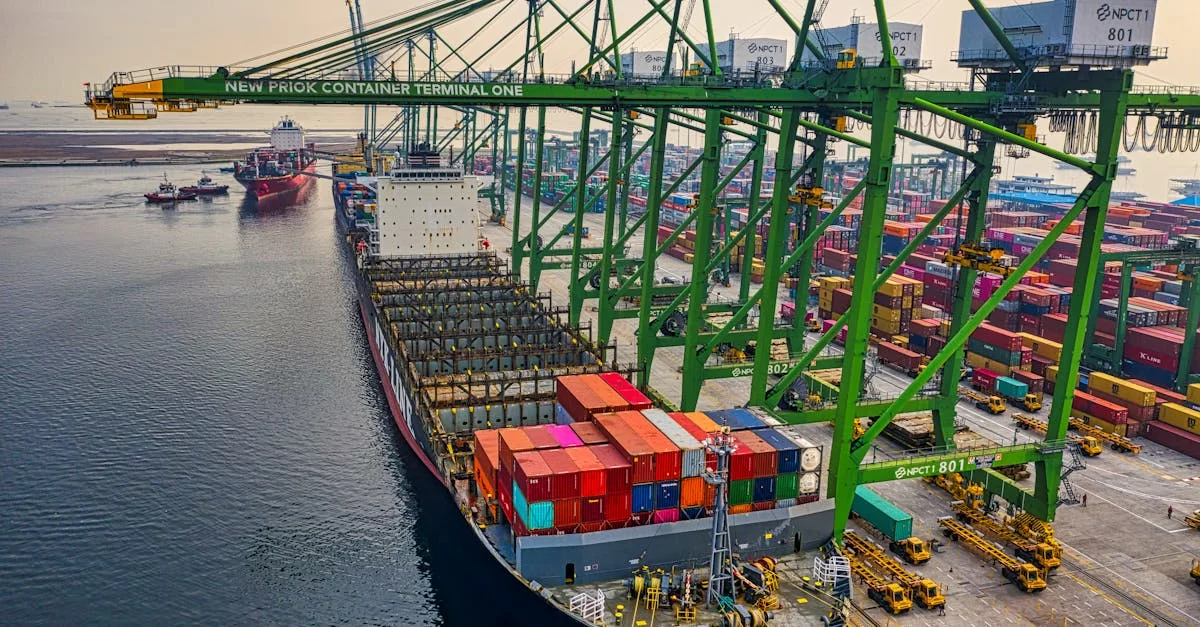
Special Note: For **cross-border e-commerce B2C models** due to fragmented orders, it is recommended to use convenient customs clearance methods such as "manifest verification".
Do Not Step on These Pits
Ms. Wang lost 200,000 yuan in tax rebates last year due to these issues:
- The product name on the customs declaration does not match the VAT invoice
- The foreign exchange collection time exceeds the tax rebate declaration deadline (usually before April of the year following export)
- Using non-compliant bill of lading export methods
Professional Advice: For enterprises filing for the first time, you can choose the simplified process of **"Exemption, Offset, and Rebate"** or entrust a qualified tax agent.
The Future is Here: The New Trend of Digital Tax Rebates
With the launch of the Golden Tax IV system, export tax rebates are undergoing three major changes:
- Smart Matching: Customs data and tax systems automatically cross-reference
- Paperless Declaration: Electronic documents now account for over 90%
- Credit Rating: Class A enterprises can enjoy "pay first, review later" convenience
Act Now, Don't Let Profits Slip Away
After reading this article, should you re-examine your company's export cost structure? Why not take three immediate actions:
- Inventory your export business for the past 12 months to estimate potential tax rebate amounts
- Schedule a tax rebate consultation with your local tax bureau
- Share your tax rebate experiences or questions in the comment section
Remember, in the race of cross-border trade, **enterprises that understand policies always go further than those that only compete on price**.

Recent Comments (0) 0
Leave a Reply