In today's globalized world, an increasing number of delicious foods cross borders to reach us. However, food import is not merely a transportation process; the customs declaration is crucial. Improper handling can not only delay cargo delivery but also lead to numerous problems. So, how should food be declared for import? Let's delve deeper together.
Pre-Import Preparation
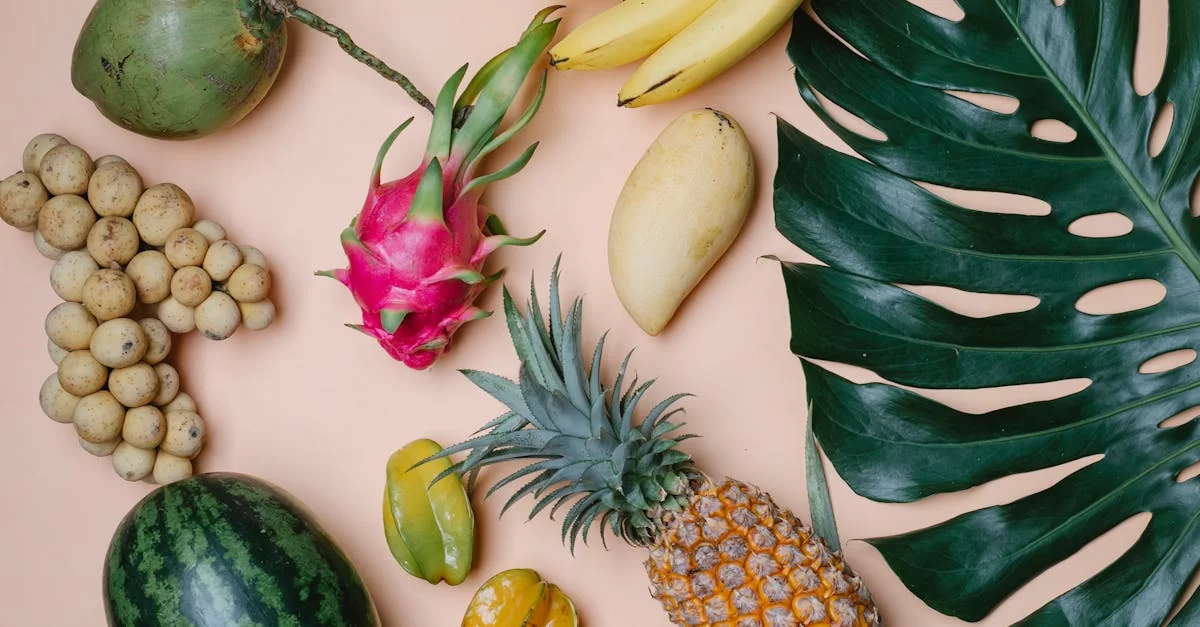
Firstly, it's essential to clarify the food import access issue. Not all foods from all countries can be freely imported; you must confirm that the food you intend to import is on China's access list. For instance, certain specific meat products from some countries may be restricted from import due to epidemic prevention and control reasons. At the same time, foreign food manufacturers must be registered with the General Administration of Customs and obtain a registration number, which qualifies the food they produce to enter the Chinese market.
Importers themselves also need to be prepared by obtaining import and export rights and relevant qualifications such as a food business license. This is akin to obtaining an entry ticket for the "game" of food import; without these qualifications, the subsequent customs declaration process cannot proceed smoothly.
Declaration Documents
Document preparation is a key step in customs declaration. Essential documents include the contract, invoice, and packing list, which detail the transaction information, price, and packaging of the food. The bill of lading is also required as proof of cargo transportation, ensuring accurate delivery.
For food, the certificate of origin and health certificate are particularly important. The certificate of origin specifies the place of origin of the food, which is relevant for enjoying preferential tariff policies. The health certificate proves that the food meets relevant sanitary standards, safeguarding consumer health and safety. Additionally, a sample of the Chinese label and the original label with its translation must be provided. The Chinese label should clearly indicate important information such as the food's name, ingredients, production date, and expiration date, making it easy for consumers to understand.
Customs Declaration Process
Before the cargo arrives at the port, importers must submit the aforementioned documents to a customs broker or declare them to customs themselves in advance. Upon receiving the declaration, customs will review the submitted documents. If the documents are complete and correctly filled out, customs will accept the declaration and proceed to the next step of inspection or sampling.
During the inspection, customs officers may visually examine the goods, checking if the packaging is intact and if the labels meet the requirements. Sampling involves taking some samples to be sent to specialized laboratories for testing, covering items such as microorganisms, heavy metals, and additives, to ensure the food complies with China's food safety standards.
After passing the inspection and sampling, customs will issue an entry-exit inspection and quarantine certificate, after which the food can officially circulate and be sold in the domestic market. If the inspection or sampling fails, depending on the specific situation, rectification, return shipment, or even destruction may be required.
Subsequent Supervision and Precautions
Completing food import customs declaration does not mean the job is done; subsequent supervision by customs is still required. Importers must establish a system for recording imported and sold food, truthfully recording information such as the food's name, specifications, quantity, production date, production or import batch number, expiration date, names and contact details of the exporter and purchaser, and delivery date. This allows for rapid traceability and recall in case of problems.
In summary, food import customs declaration is a rigorous and complex process, and no step can be overlooked. Only by fully understanding and strictly adhering to relevant regulations and making thorough preparations can imported food achieve smooth customs clearance and allow consumers to taste delicacies from around the world. If you have any further questions regarding food import customs declaration, feel free to leave a comment to discuss.

Recent Comments (0) 0
Leave a Reply