On the vast stage of international trade, Hong Kong re-export trade imports hold a unique and important position. Imagine goods from all over the world entering the mainland or other markets in a clever way through Hong Kong as a hub. What secrets and advantages lie behind this? Today, let us delve into Hong Kong re-export trade imports.
Advantages of Hong Kong Re-export Trade Imports
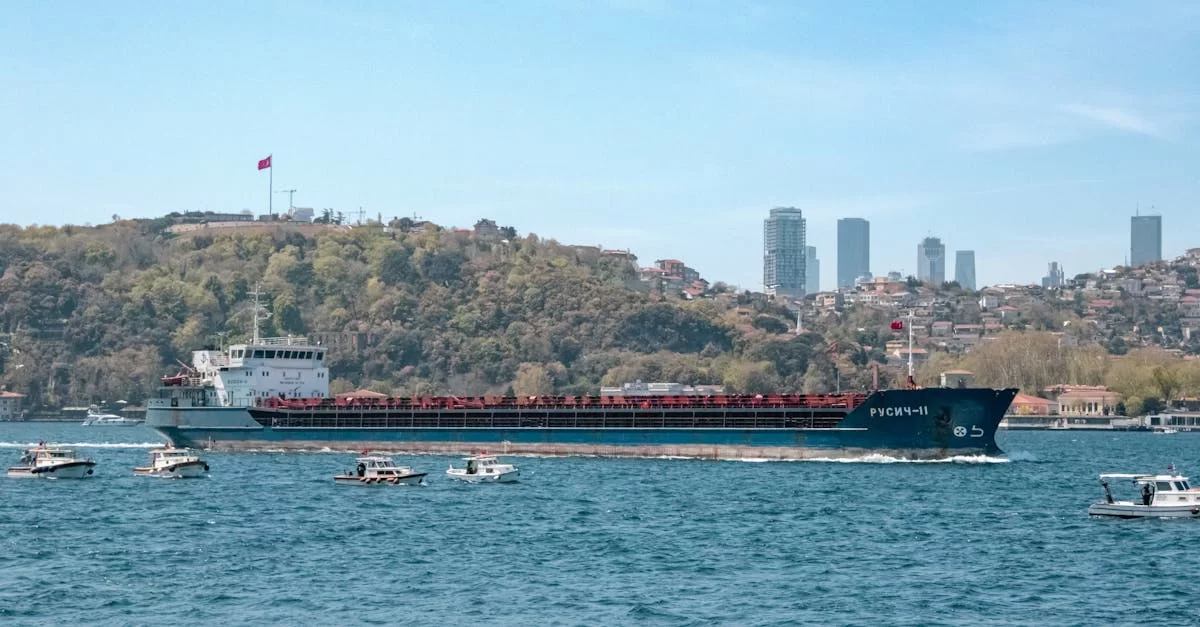
Firstly, Hong Kong boasts a unique geographical location. Situated at the heart of Asia, it serves as a vital bridge connecting Europe and America with other parts of Asia. As a major global shipping hub, it possesses excellent natural harbors with frequent ship traffic, allowing both large cargo vessels and small merchant ships to conveniently dock. For instance, high-end mechanical equipment transported from Europe can first arrive at Hong Kong's port, undergo a brief stopover and transshipment arrangements here, offering greater flexibility in transport route planning compared to direct shipment to certain mainland ports.
Secondly, Hong Kong possesses a robust financial system. In the process of re-export trade, the flow and settlement of funds are crucial. Numerous financial institutions in Hong Kong provide efficient, convenient, and diversified financial services. When engaging in re-export trade imports, enterprises can find suitable solutions in Hong Kong for everything from letter of credit issuance, foreign exchange conversion, to capital financing. For example, Mr. Han company imports a batch of electronic products from overseas; through Hong Kong's financial institutions, he can quickly obtain trade financing to ensure the smooth import of goods.
Furthermore, Hong Kong's policy environment is lenient. Hong Kong implements a low-tax policy, offering significant convenience for the import and export of many goods. Except for some special commodities, most goods entering and leaving Hong Kong do not require high tariffs. This makes Hong Kong a highly attractive trade transit point, significantly reducing enterprises' operating costs.
Process of Hong Kong Re-export Trade Imports
The first step is trade negotiation. Mainland enterprises (or other demand parties) negotiate and agree on terms such as specifications, prices, and quantities of goods with overseas suppliers, and then sign a trade contract. Taking Mr. Han garment company as an example, she successfully negotiated a procurement contract for a batch of high-quality fabrics with a European fabric supplier.
The second step is goods transportation to Hong Kong. Overseas suppliers ship the goods to Hong Kong as agreed in the contract. Upon arrival at Hong Kong port, a series of customs clearance procedures will be conducted. Hong Kong Customs will inspect the goods, verify relevant documents, and ensure that the goods comply with import regulations.
The third step is re-export arrangement. Goods in Hong Kong may undergo value-added services such as warehousing, sorting, and packaging, and then be arranged for shipment to the mainland or other markets according to the destination's needs. If shipped to the mainland, import declaration procedures for the mainland are also required to ensure the goods legally enter the mainland market.
Risks and Response Strategies
Of course, Hong Kong re-export trade imports are not without risks. Market risk is one of them; fluctuations in international market prices, changes in demand, and so on, can all affect the profitability of re-export trade. For example, during the re-export of a certain electronic product, the introduction of new technology led to a sharp drop in market prices, resulting in damaged profits for the importing enterprise. To address this, enterprises should strengthen market research and analysis, keep abreast of market dynamics, and reasonably arrange inventory and procurement plans.
Logistics risks should also not be overlooked; delays during transportation, cargo damage, and other situations can occur. Enterprises can choose reputable logistics suppliers and purchase adequate cargo insurance to mitigate losses caused by logistics risks.
Leveraging its unique advantages, Hong Kong re-export trade imports play a crucial role in international trade. For enterprises, a deep understanding of the advantages, procedures, and risk response strategies of Hong Kong re-export trade imports can help them better seize this trade model, gain an early advantage in global trade, and expand their business footprint. It is hoped that more enterprises can find their own development opportunities amidst the wave of Hong Kong re-export trade imports.

Recent Comments (0) 0
Leave a Reply