On the vast stage of international trade, businesses have diverse ways to expand into overseas markets, and self-managed export and consignment agency are two highly regarded approaches. These two models are like two different paths, each with its own characteristics and respective advantages and disadvantages. Today, let's delve deep into them to see what secrets they hold to help businesses make more suitable choices on their journey to going global.
I. Self-Managed Export: The Challenges and Opportunities of Hands-On Involvement
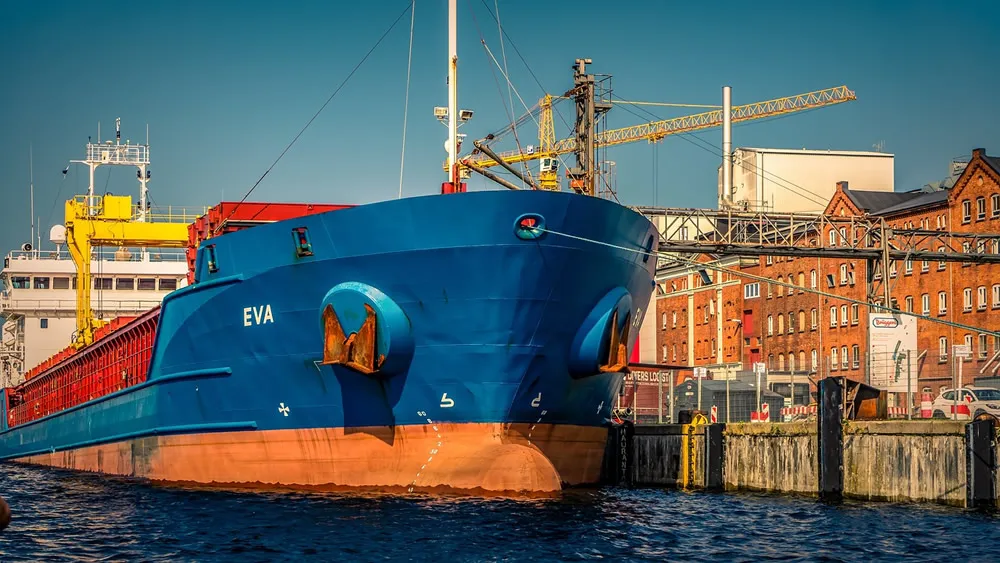
In terms of advantages, self-managed export means that a company has complete control over the entire export process. From finding overseas clients and negotiating orders to arranging production, shipping, and customs declaration, all steps can be carried out according to the company's own pace and standards. This allows businesses to gain a deeper understanding of international market demands and trends, establish close relationships directly with clients, and help build their own brand image. For example, companies can promptly adjust product designs and production plans based on customer feedback to better meet personalized market demands.
However, the challenges are not to be underestimated. Self-managed export requires companies to have a well-established foreign trade team and extensive foreign trade knowledge. From recruiting and training foreign trade personnel to familiarizing oneself with various international trade rules, policies, and regulations, significant human, material, and time costs are incurred. Furthermore, in the early stages of international market development, there may be situations with insufficient order volume, leading to higher costs per order and impacting the company's profitability.
II. Consignment Agency: A Stress-Free Choice by Leveraging External Resources?
Let's look at the advantages first. Under the consignment agency model, businesses can delegate cumbersome export procedures to professional agency companies. Agencies like Zhongmaoda, as professional agencies, possess rich foreign trade experience and professional teams, enabling them to efficiently handle tasks such as customs declaration, commodity inspection, and transportation arrangements, saving businesses considerable trouble. Companies can then focus on their core businesses like production and product research and development, greatly saving time and effort. At the same time, agency companies usually have cooperative relationships with numerous overseas clients and suppliers, potentially bringing more order opportunities to businesses.
But there are also limitations. Consignment agency means that businesses lose direct control over certain aspects of the export process, which may lead to communication breakdowns or inadequate service from the agency company. Moreover, businesses need to pay certain agency fees, which can be a considerable expense for products with smaller profit margins.
III. How to Make the Right Choice?
For businesses, there is no absolute standard for choosing between self-managed export and consignment agency; it requires consideration of multiple factors. If a company has sufficient foreign trade talent reserves, strong financial backing, and long-term brand building plans, then self-managed export might be a good choice to better achieve its strategic goals. Conversely, if a company wishes to enter the international market quickly, save initial investment costs, and does not have particularly high demands for control over export operations, then the consignment agency model is more attractive.
In summary, both self-managed export and consignment agency are effective ways for businesses to enter the international market. Companies should weigh the pros and cons based on their actual situation and make the choice that best suits them to navigate the fierce international competition and achieve steady development in their overseas business.
Conclusion: Embark on Your International Market Journey
Dear readers, do you now have a clearer understanding of self-managed export and consignment agency? We hope that when considering expanding overseas business, everyone will carefully choose based on their own circumstances. Feel free to share your thoughts in the comments section, or talk about your company's experiences in this regard, so we can exchange and discuss together, and take more solid steps towards entering the international market!

Recent Comments (0) 0
Leave a Reply