On the global stage of international trade, enterprises face choices among various export models. Among these, agency export and self-operated export are two relatively common approaches. How should one choose, and what are the hidden intricacies behind it? Let's explore together.
Agency Export: Moving Forward with Support
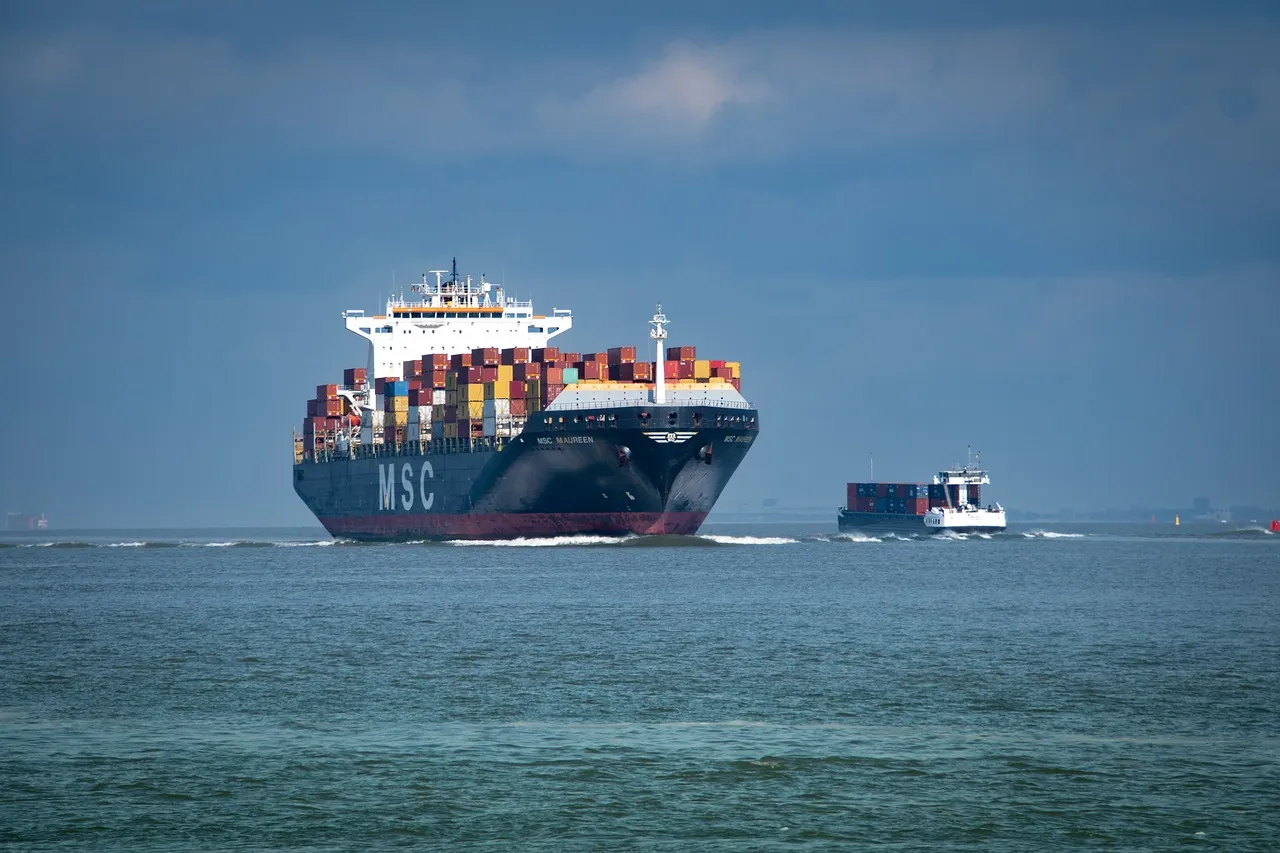
Agency export, in simple terms, involves a manufacturing enterprise entrusting a professional foreign trade agency company to handle its export business. For enterprises newly entering the international market or lacking sufficient foreign trade experience, agency export can be a wise choice.
The advantages of agency export are evident. Firstly, professional foreign trade agencies typically possess rich experience and extensive resources, being familiar with all aspects of international trade, from finding clients and signing contracts to customs declaration and transportation, offering professional services. For instance, Zhongmaoda, as a professional foreign trade agency, has unique advantages in handling complex customs declaration procedures, enabling efficient customs clearance for enterprises and avoiding delays and risks arising from unfamiliarity with policies and regulations. Secondly, opting for agency export can reduce enterprise operating costs. Businesses do not need to invest significant capital and manpower to build their own foreign trade teams; they can focus solely on product production and R&D, outsourcing export business to the agency company, which greatly alleviates the enterprise's burden.
However, agency export is not flawless. Enterprises may, to some extent, lose control over their export business, for example, in terms of client resource management, potentially relying more on the agency company. Moreover, due to agency fees, the profit margin of products may be squeezed.
Self-Operated Export: Independent Control
Self-operated export means enterprises conduct export business directly themselves, possessing complete autonomy. This requires enterprises to have certain strengths and conditions, including professional foreign trade talent, well-established market channels, and strong financial capabilities.
The benefits of self-operated export are numerous. Enterprises can directly establish contact with overseas clients, gain a better understanding of market demands and customer feedback, and thus adjust product strategies and service offerings promptly, enhancing market competitiveness. Simultaneously, through self-operated export, enterprises can obtain all export profits without paying agency fees, leading to a relatively larger profit margin. Furthermore, in the long run, self-operated export helps enterprises build their own brand image and enhance international visibility.
Yet, self-operated export also faces many challenges. Building a professional foreign trade team is costly, requiring the recruitment of talent familiar with international trade, foreign languages, market marketing, and other fields. Moreover, in the process of exploring international markets, enterprises need to bear market risks independently, such as exchange rate fluctuations and trade barriers. For example, when exchange rates fluctuate significantly, self-operated export enterprises may suffer losses due to changes in the exchange rate of the settlement currency.
How to Make the Choice
When choosing between agency export and self-operated export, enterprises need to comprehensively consider multiple factors. If an enterprise is small, lacks foreign trade experience and resources, and wishes to quickly enter the international market in the short term, agency export may be a better choice. For larger enterprises with certain foreign trade talent and financial strength, and those aiming to deeply cultivate international markets and build their own brands in the long term, self-operated export might be more aligned with their development strategy.
Neither agency export nor self-operated export has absolute advantages or disadvantages. Enterprises should make the decision that best suits them based on their actual situation, weighing the pros and cons. In the tide of international trade, finding the right export model for oneself is key to setting sail. We look forward to readers engaging in discussions and sharing their experiences and insights on this topic.

Recent Comments (0) 0
Leave a Reply