Mr. Fang recently encountered a troublesome issue. His food company planned to import a batch of high-end olive oil from Europe. He initially thought contacting foreign suppliers directly would lower costs, but encountered repeated setbacks in customs declaration and quality inspection, ultimately leading to cargo detention at the port and substantial losses. "If only I had hired a professional agent," he lamented, "the self-inflicted hassle turned out to be a net loss."
Why Are Agents the Best Choice?
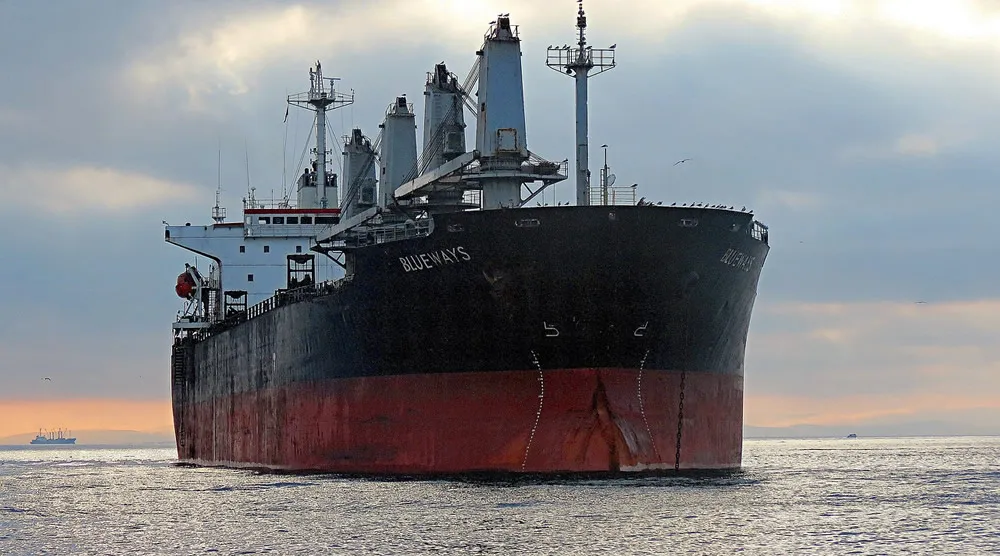
International trade, while seemingly a simple buyer-seller relationship, is fraught with hidden complexities. From drafting contract terms, compliant foreign exchange settlement, to arranging transportation insurance and adapting to customs policies, every step requires professional knowledge. The core value of agents lies in standardizing and professionalizing these complex processes, allowing enterprises to focus on their core business.
- Risk Aversion Experts: Agents are familiar with the "invisible traps" in international trade, such as letter of credit soft clauses, hedging against exchange rate fluctuations, and disputes over product classification, enabling them to prepare risk contingency plans in advance.
- Cost Control Masters: By leveraging economies of scale to integrate logistics resources and optimize customs clearance routes, professional agents like Zhongmaoda can save clients 15%-30% in comprehensive costs.
- Policy Interpreters: When HS codes are adjusted or rules of origin change, agents can provide compliant solutions promptly, preventing enterprises from being penalized due to policy blind spots.
Three Common Misconceptions of Self-Operated Import and Export
Mr. Fang experience is equally illustrative. Her garment factory once established an import and export team, only to discover: "The annual cost of maintaining the team was enough to handle 20 agency transactions, but the business volume couldn't justify the team's expenses." This highlights common misconceptions:
- "Operating it ourselves is cheaper": Hidden costs are often overlooked, such as demurrage fees, costs for re-export and re-declaration, and compensation for breach of contract.
- "The process is simple": In reality, it requires coordinating over a dozen entities including shipping companies, freight forwarders, customs, and commodity inspection.
- "We have stronger control": Professional agents' monitoring systems can actually provide more transparent logistics tracking.
How to Choose a Reliable Agency Partner?
You can assess an agent's professionalism by considering three dimensions:
- Depth of Case Studies: Have they handled similar products? Do they have cases of responding to emergencies?
- Systematic Capability: Can they provide end-to-end electronic tracking? Do they have an early warning mechanism for abnormal situations?
- Value-Added Services: Do they offer derivative services like supply chain finance or tax refund advances?
Entrust Professional Matters to Professional People
In this era of refined division of labor, enterprise competitiveness lies not in being all-capable, but in specialization. Just as we don't raise cows to drink milk, import and export business also requires professional division. The next time you hesitate between "self-operation or agency," consider: Is your core strength in manufacturing, or in international trade?
We welcome you to share your import and export stories in the comment section—did an agent help you avert a crisis, or did you gain unexpected experience during self-operation?

Recent Comments (0) 0
Leave a Reply