In the wave of global economic integration, foreign trade enterprises are like tide riders, bravely advancing in the ocean of the international market. Export, as one of the core businesses of foreign trade enterprises, is crucial for their development. Today, we will delve into these two common modes, self-operated export and agency export, to help foreign trade professionals clear the fog and make better decisions.
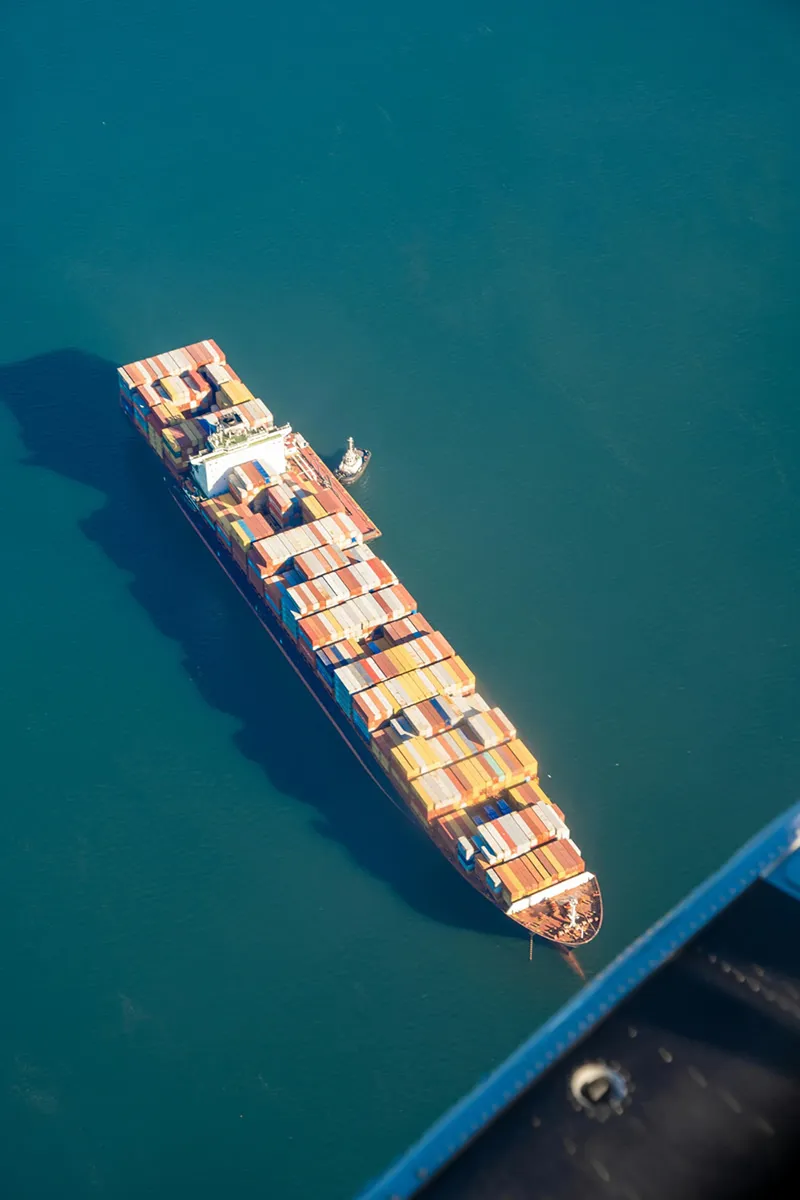
Self-Operated Export for Foreign Trade Enterprises: Independent Control Coexists with Challenges
For foreign trade enterprises with strong capabilities and rich experience, self-operated export is a common choice. Enterprises are directly responsible for all aspects, from product manufacturing, market development, to cargo transportation, customs declaration, and inspection. Taking Zhongmaoda as an example, if Zhongmaoda possesses a powerful R&D team, professional foreign trade sales personnel, and a comprehensive logistics and distribution system, then self-operated export can maximize the company's advantages.
The advantages of self-operated export are significant. Firstly, enterprises can directly control the entire export process, having absolute control over product quality, pricing strategies, and customer relationships. This allows for better shaping of the corporate brand image and enhancing product added value. Secondly, by directly engaging with overseas customers, enterprises can more accurately capture market dynamics and adjust product strategies in a timely manner. However, self-operated export is not always smooth sailing. Establishing and maintaining overseas sales channels requires substantial investment in capital and human resources, while also dealing with complex trade policies and regulations of various countries, posing a huge test to the comprehensive strength of the enterprise.
Agency Export: Leveraging Professionalism, Traveling Light
When enterprises lack resources or experience, the agency export model becomes a shortcut. Agency export refers to entrusting professional foreign trade agencies to handle export business on behalf of the enterprise. For instance, if Mr. Zhang's company has excellent product quality but lacks foreign trade experience, it can find a professional agency company like Zhongmaoda.
The benefits of agency export are obvious. On one hand, agency companies possess extensive foreign trade experience and mature operational processes, which can help enterprises quickly complete export business, reducing time costs and risks. Tedious tasks such as customs declaration, inspection, and freight forwarding can be efficiently handled by the agency. On the other hand, agency export allows enterprises to focus more energy on product research and development and production, achieving a lighter operational load. However, choosing agency export also has certain drawbacks. Enterprises have relatively weaker control over the export process, and they need to pay agency fees to the agency company, which can compress profit margins to some extent.
How to Decide: Comprehensively Considering the Enterprise's Own Factors
When choosing an export model, foreign trade enterprises should consider multiple factors. Firstly, it is the scale and strength of the enterprise. Large enterprises usually have abundant resources and sufficient experience, and self-operated export may better leverage their advantages; while small and medium-sized enterprises can use agency export to accumulate experience and reduce risks. Secondly, product characteristics are also crucial. If the product is highly specialized and technically advanced, self-operated export facilitates direct communication with customers on technical details; if the product is highly versatile, agency export might be more cost-effective. In addition, market factors cannot be ignored. For newly developed markets, agency export can quickly open up the market by leveraging the channels of agency companies; while for mature markets, self-operated export is conducive to deeply tapping market potential.
Foreign trade enterprise export and agency export each have their own merits, and there is no absolute right or wrong. Only by deeply analyzing their own actual situation and weighing the pros and cons can enterprises make the most suitable choice, develop steadily in the international market, and sail towards the shore of success. It is hoped that all foreign trade professionals, through understanding these two models, can find the right direction in future business expansion and achieve corporate takeoff.

Recent Comments (0) 0
Leave a Reply