When Mr. Xie signed a re-export contract for Southeast Asian electronic components in the Shenzhen Qianhai Free Trade Zone, he might not have realized that this seemingly ordinary business move was stepping onto a golden track of explosive growth. Shenzhen re-export trade, a once low-profile sector, is now becoming an invisible bridge connecting Chinese manufacturing with global markets. This article will take you on a deep dive into the unique advantages and future opportunities in this field.
Why is Shenzhen an Ideal Hub for Re-export Trade?
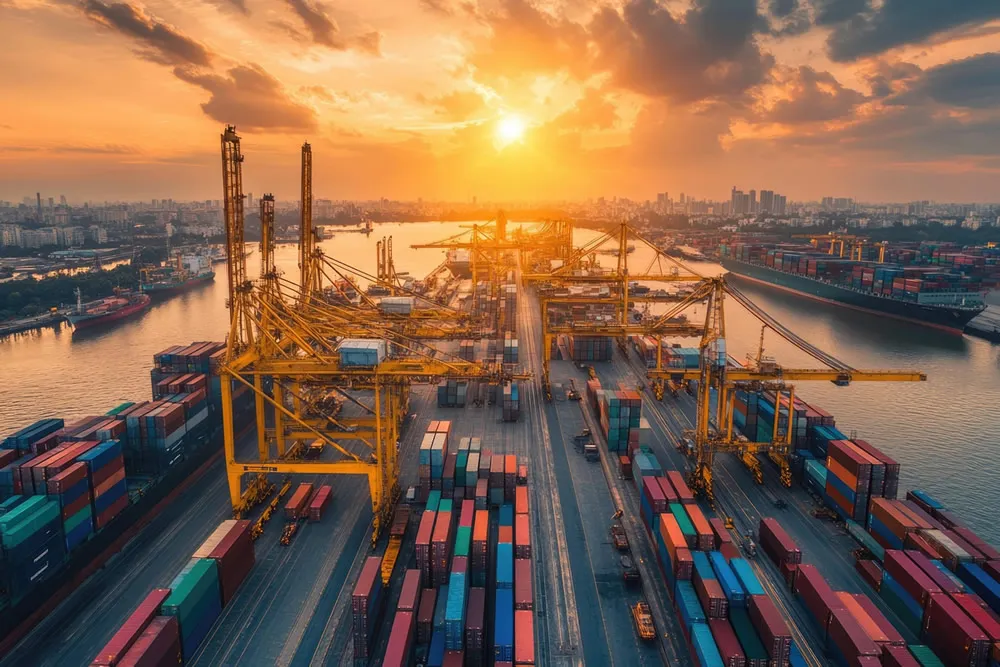
As a crucial node in the global supply chain, Shenzhen boasts three irreplaceable advantages:
- Geographical Location: Adjacent to Hong Kong International Port, reaching major global ports within 72 hours
- Infrastructure: Yantian Port's container throughput has ranked among the top three globally for ten consecutive years
- Policy Innovation: Qianhai Free Trade Zone's "bonded + non-bonded" hybrid supervision model leads the nation
Mr. Xie cross-border e-commerce company has precisely benefited from this, reducing logistics costs by 37% by re-exporting domestic apparel to the Middle East via Singapore using Shenzhen's transit warehouses.
How is Digitalization Reshaping Re-export Trade?
Traditional re-export trade is undergoing a technological revolution:
- Blockchain traceability systems make the transfer of cargo ownership verifiable throughout the entire process
- AI customs robots reduce customs declaration time from 4 hours to 15 minutes
- The smart logistics platform developed by Zhongmao Express achieves automatic scheduling for multimodal transport
After adopting a digital re-export solution, a certain electronic component supplier saw its capital turnover efficiency increase by 2.8 times, confirming the disruptive impact of technological empowerment on the industry.
Re-export Opportunities in Emerging Markets
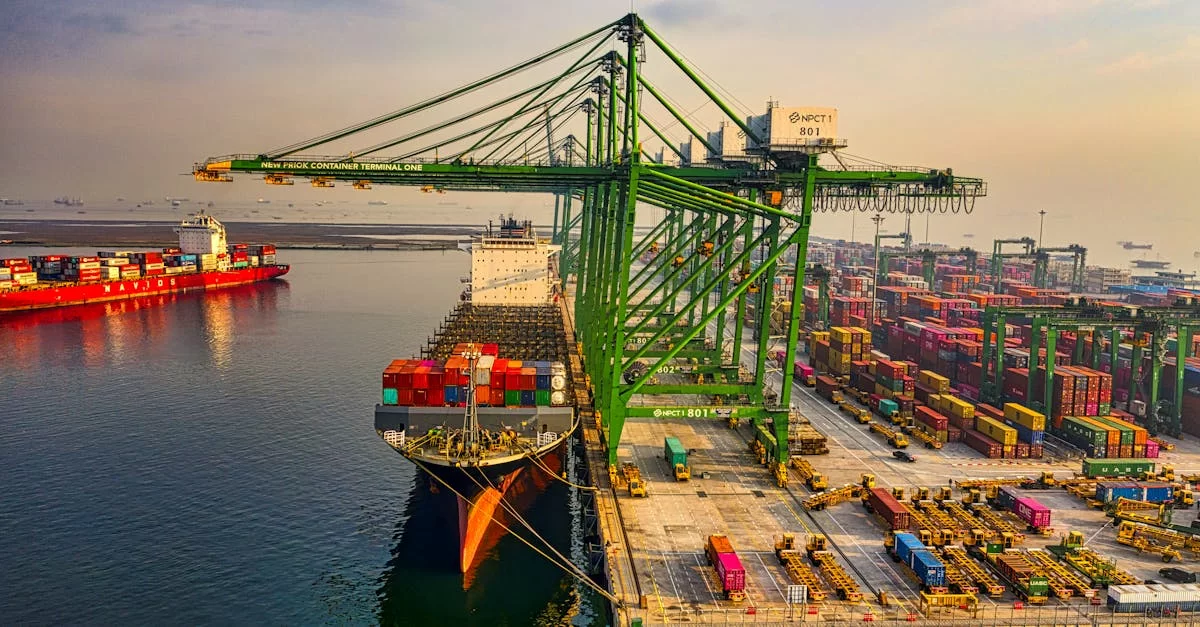
After RCEP took effect, Shenzhen's re-export volume to ASEAN increased by 61% year-on-year. It is worth noting:
- Vietnam has become a secondary processing transit station for machinery and equipment
- Malaysian Halal-certified goods enter Central Asia via Shenzhen
- 60% of 3C products on African e-commerce platforms are re-exported through Shenzhen
This regional synergy model is creating new value chain combinations, and an unnamed industry practitioner revealed that their company used re-export trade to circumvent anti-dumping duties as high as 27% in a certain country.
Are You Ready to Seize This Wave of Benefits?
Re-export trade is not simply cargo transit but a deep understanding and flexible application of global trade rules. When the international economic and trade environment is full of variables, Shenzhen, this "super connector" city, is providing rare certainty. Have you considered:
- Does your existing business have room for re-export optimization?
- How to leverage digital tools to reduce compliance risks?
- Which emerging markets are worth planning for in advance?
Feel free to share your insights in the comment section or send a private message to get the industry white paper. The admission ticket to the next trade era might just be hidden in today's decisions.

Recent Comments (0) 0
Leave a Reply