On the global trade stage, choosing an export model is like a critical move in a chess game, influencing the future direction of a business. In recent years, after exploring direct export, many companies have increasingly turned their attention to agency export models. What are the underlying considerations? Today, let's delve deep into the topic of "transitioning from direct export to agency export."
The Predicament of Direct Export
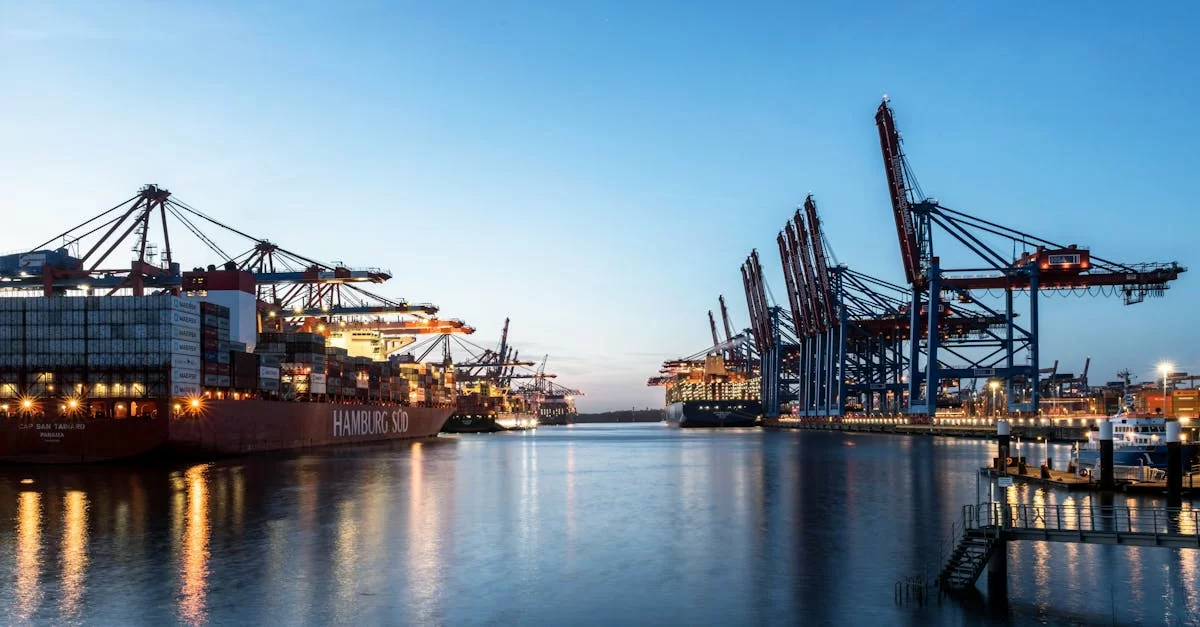
For many businesses, direct export initially seems like a path full of hope. Companies directly control all aspects of export, from product manufacturing to sales channels, appearing to maximize profits and control. However, reality is often not so rosy.
Firstly, trade risks pose a significant challenge for direct export businesses. The international market is constantly changing, with factors such as exchange rate fluctuations, adjustments in trade policies, and customer credit risks posing constant threats to a company's export business. For instance, Mr. Gu company suffered a considerable loss of profit in one export transaction due to a substantial exchange rate fluctuation, as they failed to accurately predict the exchange rate trends.
Secondly, operational costs remain high. Direct export requires companies to build professional foreign trade teams, covering multiple positions such as foreign trade salespersons, document clerks, and customs declarants. Simultaneously, significant resources need to be invested in market development and international logistics. Mr. Gu company invested heavily in participating in multiple international exhibitions to expand overseas markets, but the results were unsatisfactory, undoubtedly increasing the company's operational burden.
Advantages of Agency Export
As direct export encounters difficulties, the agency export model has gradually emerged, demonstrating unique advantages.
- Reduced Trade Risks: Professional agency export companies, like Zhongmaoda, can effectively assess and control trade risks with their extensive experience and professional teams. They are familiar with international market rules and the trade policies of various countries, enabling them to provide timely risk warnings to businesses and help them avoid potential losses.
- Saved Operational Costs: By choosing agency export, companies do not need to assemble a large foreign trade team and can focus solely on product manufacturing and research and development. Agents such as Zhongmaoda integrate a series of service resources including logistics, customs declaration, and settlement, offering one-stop solutions for businesses and significantly reducing operational costs.
- Improved Export Efficiency: Agency companies have long been engaged in export business and have established good cooperative relationships with customs, commodity inspection, and other departments. They are familiar with export procedures and can quickly and efficiently complete all export formalities, helping businesses bring their products to the international market in a timely manner.
Key Points to Note for Transformation
The transition from direct export to agency export is not achieved overnight and requires attention to several key points.
First, choose a reliable agency company. Businesses should conduct comprehensive assessments of the agency company's reputation, qualifications, and service capabilities through various channels. They can refer to the cooperation experiences of other companies and understand how the agency company performs when handling complex business.
Second, clarify the rights and obligations of both parties. The cooperation agreement should clearly define the responsibilities, cost sharing, and risk bearing of both parties in the export business to avoid future disputes.
Third, maintain good communication and collaboration. Businesses and agency companies should establish effective communication mechanisms to share information in a timely manner and jointly address issues encountered during the export process.
Transitioning from direct export to agency export is a strategic adjustment in a company's international trade development. It offers businesses a new way to reduce risks, save costs, and improve efficiency. However, the path to transformation is not always smooth and requires careful selection and meticulous preparation by businesses. It is hoped that more companies can achieve sustainable development by choosing the right export model and navigating the international market successfully. What are your thoughts on transitioning from direct export to agency export? Welcome to leave your comments in the discussion area.

Recent Comments (0) 0
Leave a Reply