Mr. Zou recently imported a batch of equipment from overseas. He originally thought he would only need to pay for the goods and customs duties, but to his surprise, the final bill included an "import agency fee." "What is this fee? Why is it so high?" Many people share the same doubts as Mr. Zou. Today, we will lift the veil on import agency fees and see if this money is worth spending.
What Exactly Is an Import Agency Fee?
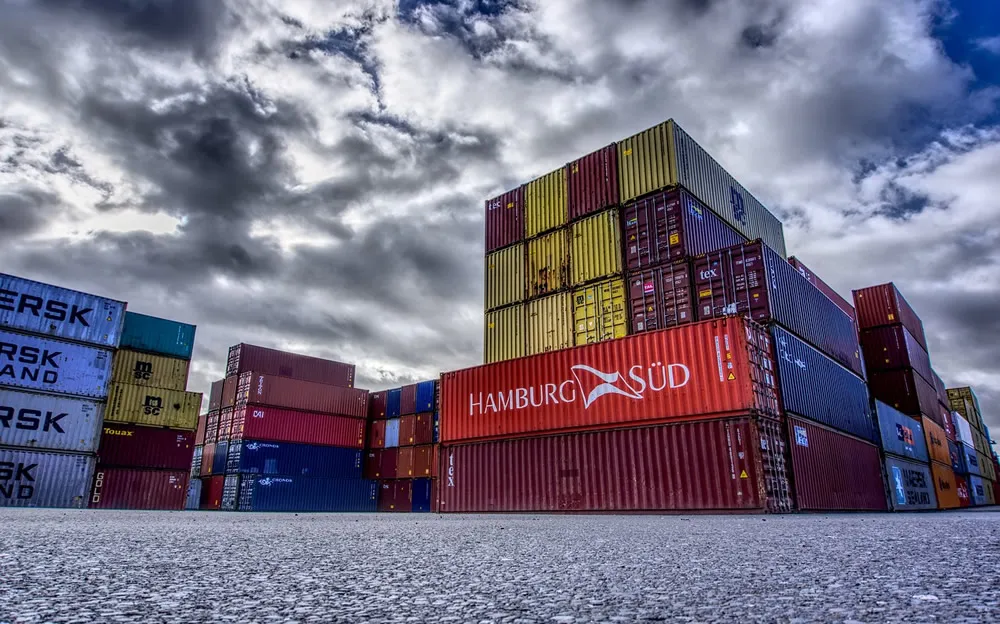
Simply put, an import agency fee is what import agents charge for providing professional services to importing companies. It is different from statutory taxes such as customs duties and value-added tax; rather, it is payment for services rendered to the agency company. Generally, import agency fees include the following components:
- Customs brokerage service fee: Includes document preparation, declaration, inspection, etc.
- Logistics coordination fee: Covers coordination of transportation, warehousing, insurance, etc.
- Document processing fee: Fees for handling various import and export documents.
- Consulting service fee: Provides value-added services such as policy consultation and risk alerts.
How Is the Import Agency Fee Calculated?
Currently, there are mainly three charging methods in the market:
- Charged as a percentage of the cargo value: Typically 0.5%-3% of the cargo value; the higher the cargo value, the lower the percentage may be.
- Charged per service item: Each service is priced separately, suitable for simple transactions.
- Hybrid charging model: Basic services are charged as a percentage, and value-added services are priced separately.
Mr. Zou recently imported a batch of cosmetics worth 500,000 yuan. With an agency fee of 1.5%, the fee amounted to 7,500 yuan. "Although it doesn't seem like much, it adds up with other costs," she commented.
Why Pay an Import Agency Fee?

Many people ask: Can't I handle the import procedures myself? Theoretically, yes, but in practice, you will encounter numerous challenges:
- Policies and regulations are complex and ever-changing, requiring high professional knowledge.
- The process is cumbersome, involving multiple government departments.
- High time cost, which may affect cargo turnover.
- Difficult risk control; a small mistake could lead to huge fines.
Experts from Zhongmaoda stated, "Professional import agents can help companies save 20%-30% in overall costs. Although an agency fee is charged, it is cost-effective in the long run."
How to Choose a Reliable Import Agent?
Facing numerous agencies in the market, how should you choose? It is recommended to consider the following points:
- Company qualifications: Do they have full import and export operating rights?
- Industry experience: Do they have successful cases with similar products?
- Service network: Do they cover major ports and transportation methods?
- Fee structure: Is it transparent and reasonable, with no hidden charges?
- Emergency response capability: Can they respond quickly to solve problems when issues arise?
Can the Import Agency Fee Be Saved?
Absolutely! The following methods may help you:
- Bulk imports: The larger the single cargo value, the lower the unit agency cost.
- Long-term cooperation: Establishing a stable relationship with an agent may lead to discounts.
- Self-declaration: For simple goods, consider handling some procedures yourself.
- Price comparison and negotiation: Do not accept the first quote; compare several agencies.
However, remember that the cheapest is not always the best. One importer, by choosing the agency with the lowest quote, ended up with delayed cargo at the port due to improper handling, resulting in losses far exceeding the saved agency fee.
Conclusion: Is the Agency Fee a Cost or an Investment?
The import agency fee may seem to increase import costs, but it is actually a necessary investment for businesses to mitigate risks and improve efficiency. Instead of debating "whether to pay," it is better to consider "how to pay more valuably." What do you value most when choosing an import agent? Please share your experiences and insights in the comments section.

Recent Comments (0) 0
Leave a Reply