On the grand chessboard of global trade, re-export trade has always played a unique and crucial role. In recent years, Sichuan shelving re-export trade has also quietly emerged, attracting the attention of numerous trade practitioners. So, what exactly is the appeal of Sichuan shelving re-export trade, and what challenges does it face? Let's explore it in depth together.
Advantages of Sichuan Shelving Re-export Trade
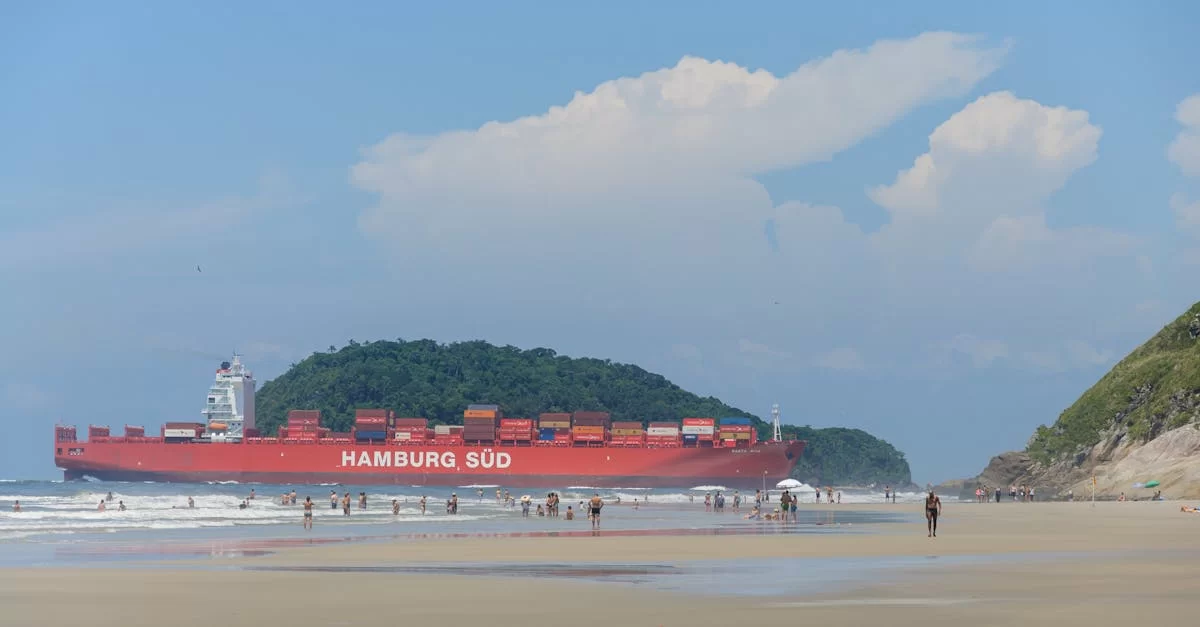
Sichuan, as the economic, cultural, and transportation hub of the southwestern region, boasts unique geographical advantages. With the advancement of the Belt and Road Initiative, trade between Sichuan and countries and regions along the route has become increasingly frequent, building a broad platform for shelving re-export trade. Numerous logistics channels, such as the China-Europe Railway Express (Chengdu-Chongqing), enable Sichuan to efficiently connect with the European market, significantly reducing cargo transportation time and lowering logistics costs.
Furthermore, Sichuan's well-developed local manufacturing industry provides strong backing for shelving re-export trade. Sichuan's shelving manufacturing boasts exquisite craftsmanship and superior product quality, making its products highly competitive in both domestic and international markets. Abundant industrial clusters ensure a stable supply of goods, allowing for efficient operations, whether in raw material procurement or product processing and production.
Operating Model of Sichuan Shelving Re-export Trade
Generally, the process of Sichuan shelving re-export trade is as follows. First, traders conduct market research to accurately grasp international market demand and find suitable shelving product suppliers. For instance, after Mr. Wen learned about the strong demand for warehouse shelving in the Southeast Asian market, he reached a cooperation agreement with a high-quality local shelving manufacturer in Sichuan.
Next, the goods are transported to a transit point. The selection of the transit point is crucial, as it needs to have good port facilities, convenient customs clearance policies, and other conditions. After undergoing necessary packaging, sorting, and other value-added services at the transit point, the goods are then shipped to the final destination country. Throughout this process, traders must coordinate all aspects well to ensure the smooth flow of goods.
Challenges Faced by Sichuan Shelving Re-export Trade
Although Sichuan shelving re-export trade has broad prospects, it is not without its challenges. Uncertainties in international trade policies pose a significant challenge. Tariff policies and trade barriers of various countries can change at any time, requiring traders to constantly monitor policy developments and adjust their trade strategies promptly. For example, if a certain country suddenly raises import tariffs on shelving products, this would undoubtedly increase trade costs and squeeze profit margins.
Furthermore, fierce market competition should not be underestimated. With the development of Sichuan shelving re-export trade, more and more traders are entering this field, making market competition increasingly intense. Mr. Wen re-export trade company often faces low-price competition from peers, and how to enhance her company's competitiveness while ensuring product quality has become a difficult problem for her to solve.
Future Outlook
Overall, Sichuan shelving re-export trade presents both opportunities and challenges. Traders need to fully leverage Sichuan's geographical and industrial advantages and actively respond to policy risks and market competition. By strengthening innovation, enhancing product added value, and optimizing service quality, they can secure a place in the global trade market. It is believed that with the collective efforts of trade practitioners, Sichuan shelving re-export trade will surely usher in a more brilliant future.

Recent Comments (0) 0
Leave a Reply