“Mr. Lou has been very troubled lately – the high-quality handicrafts produced by his company are gradually saturating the domestic market, and he wants to explore overseas markets but is completely lost regarding the import and export process.” Does this scenario sound familiar? With the acceleration of globalization, more and more small and medium-sized enterprises are turning their attention to overseas markets. This article will lift the veil on the mystery of companies applying for import and export qualifications, helping you take the first step in international trade with ease.
Why Apply for Import and Export Qualifications?
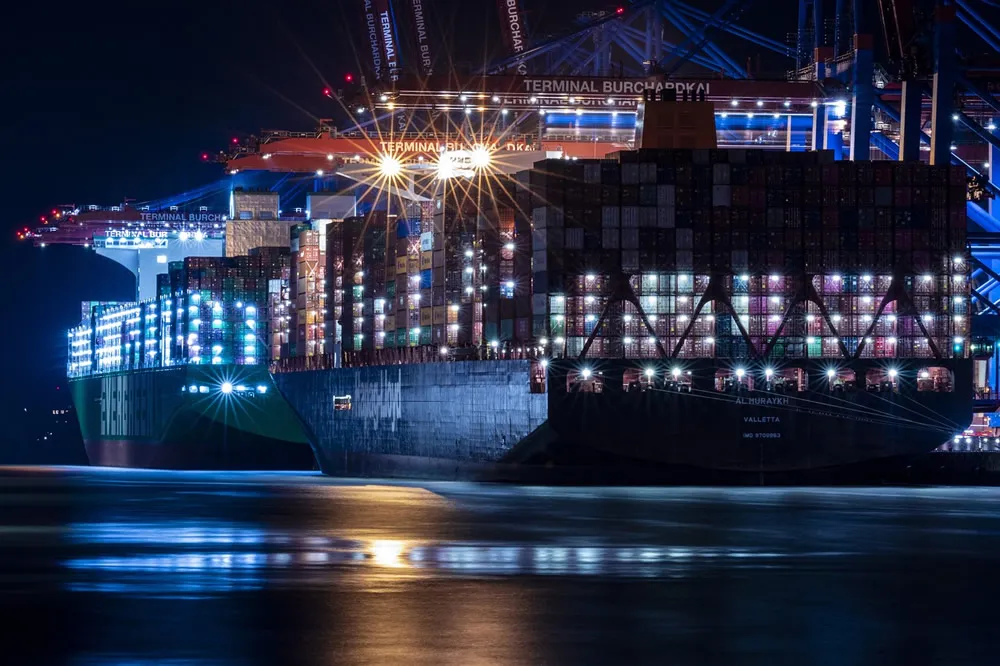
In today's business environment, having import and export qualifications is like obtaining a golden key to unlock the global market. Data shows that in 2022, China's total trade volume in goods and services exceeded 40 trillion RMB for the first time, and this massive market cake is waiting for more enterprises to share.
Obtaining import and export qualifications not only broadens sales channels but also allows you to enjoy numerous national policy benefits, including:
- Direct participation in international market competition, reducing intermediate costs
- Enjoying preferential policies such as export tax rebates
- Enhancing the international brand influence of the enterprise
Detailed Analysis of the Import and Export Qualification Application Process
Applying for import and export qualifications is not as complicated as you might imagine; simply follow these steps:
- Step 1: Business License Amendment – Add “goods import and export” or “technology import and export” items to your company's business scope
- Step 2: Customs Registration – Submit relevant materials through the "Single Window" to obtain a customs code
- Step 3: Registration with the Administration of Foreign Exchange – Open a foreign exchange account to facilitate cross-border receipts and payments
- Step 4: Application for an Electronic Port Card – Used for import and export customs declaration operations
The entire process typically takes 15-30 working days, and it is advisable for enterprises to plan their time in advance.
Common Questions and Professional Advice

Mr. Lou once consulted us: “My company is just starting, is it necessary to specifically establish a foreign trade department?” Our advice is:
- For micro and small enterprises in the early stages, consider outsourcing or hiring part-time foreign trade personnel
- For annual export volumes exceeding 5 million, it is recommended to form a professional team
- Professional institutions like Zhongmaoda can provide full-process guidance services
Another common misconception is that “only large enterprises can engage in import and export.” In reality, SMEs accounted for over 75% of newly registered import and export enterprises in 2022, fully demonstrating that this is a development path suitable for all types of businesses.
From Qualification to Practice: Embark on Your International Trade Journey
Obtaining import and export qualifications is just the first step; the real challenge lies in establishing a foothold in the international market. We recommend:
- Participate in international exhibitions such as the Canton Fair and the China International Import Expo to accumulate customer resources
- Utilize B2B platforms like Alibaba International Station to expand online channels
- Pay attention to tariff preferences under free trade agreements such as RCEP
International trade is like a marathon; it requires patience and professional preparation. Are you ready to win your place in this global competition? Welcome to share your import and export stories or questions in the comment section. We will select typical questions for professional answers.

Recent Comments (0) 0
Leave a Reply