"Mr. Wei is in a lot of trouble lately - his South Korean cosmetic purchasing business was suddenly seized by customs, and his 30,000 deposit is about to go down the drain; meanwhile, Mr. Wei cross-border e-commerce platform faced collective refunds from South Korean customers due to logistics delays..." Such stories unfold daily. And it is the South Korea import and export agency that serves as the "business bridge" to solve these problems. Today, we will lift the veil on this low-key yet crucial industry.
Why is a South Korean Import and Export Agency Needed?
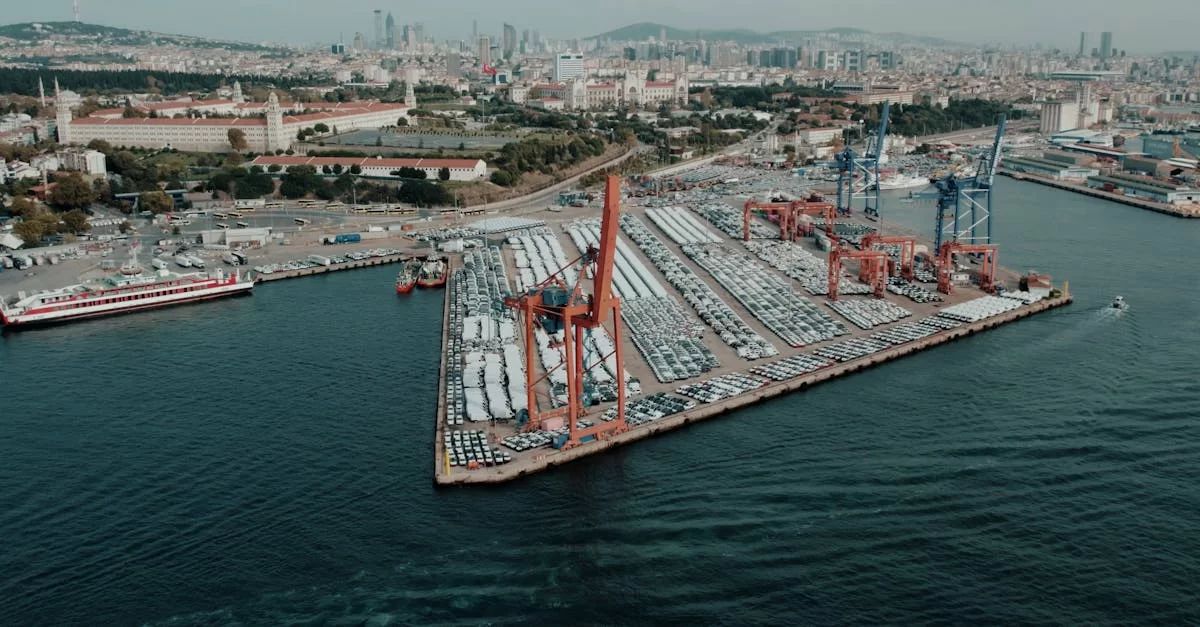
As the world's sixth-largest exporter, South Korea has a strong demand for the circulation of goods, from cosmetics to semiconductors. However, language barriers, tariff policies, and logistics and customs clearance challenges deter many small and medium-sized enterprises. At this juncture, professional South Korea import and export agencies can provide:
- Compliant Services: Handling professional documents such as HS code classification and certificates of origin.
- Cost Optimization: Reducing tariffs through Free Trade Agreements (FTAs), such as zero tariffs on over 6,000 products under the China-Korea FTA.
- Risk Control: Avoiding potential risks such as customs inspections and intellectual property disputes.
Core Service Modules of Agency Companies
Mature service providers, represented by Zhong Maoda, typically offer three pillar services:
- Customs Brokerage: Including pre-classification review and AEO certification guidance, shortening customs clearance time by an average of 40%.
- Logistics Integration: Integrating resources such as bonded warehouses at Incheon Port and express sea freight routes between China and Korea, with shipping costs potentially 15-20% lower than market prices.
- Localized Support: Korean local teams handling tax filings, KFDA certifications, and other issues, avoiding compliance problems caused by cultural differences.
5 Golden Standards for Selecting an Agency Company
How to identify a reliable service provider? Please pay attention to these key indicators:
- Customs Broker License issued by the Korea Customs Service (mandatory).
- At least 3 years of practical experience in China-Korea bilateral trade.
- Provision of a real-time logistics tracking system with visible nodes.
- Capability for crisis management, such as alternative solutions during last year's South Korean truck drivers' strike.
- Transparent pricing with no hidden fees (beware of "tax-included" traps).
Future Trend: The Rise of Digitalized Agency Services
With South Korea promoting "paperless customs clearance," intelligent agency systems are becoming widespread. Through API integration with the Korea Customs Service's UNI-PASS system, some processes have achieved automated processing. One client's customs clearance document preparation time was reduced from 8 hours to 30 minutes after using electronic services.
Is your cross-border business still "fighting alone"? Feel free to share your import and export challenges in the comments section - perhaps professional agency services are the key to breaking through bottlenecks.

Recent Comments (0) 0
Leave a Reply