Have you ever been attracted by those enticing lens prices on overseas e-commerce platforms, only to be deterred by the complex customs clearance process at checkout? Mr. Gu recently encountered such a dilemma. He found a high-end cinema lens in Japan that was nearly 30% cheaper than in China, but the thought of dealing with all the import customs clearance procedures made him give up. Today, we will unveil the mystery of lens import customs clearance, allowing you to easily master the entire process from purchasing a lens overseas to using it domestically.
Basic Process of Lens Import Customs Clearance
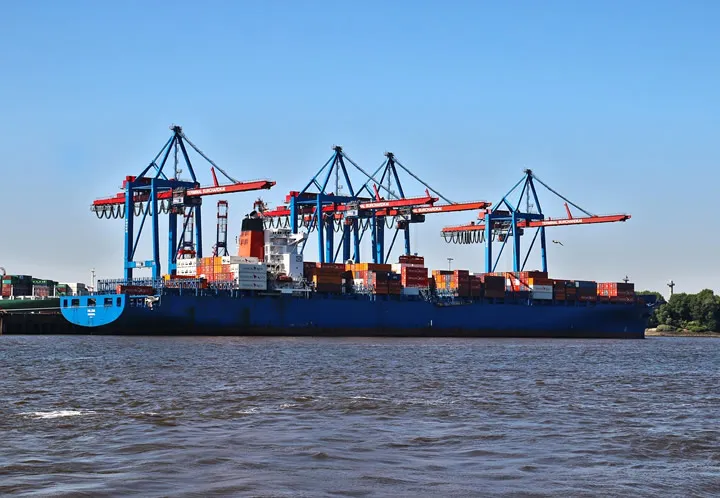
As precision optical instruments, lenses have a more complex import customs clearance process compared to ordinary goods. The entire process is mainly divided into the following steps:
- Preliminary Preparation: Determine the HS code of the lens, understand the tariff and VAT rates
- Document Preparation: Prepare necessary documents such as commercial invoice, packing list, and certificate of origin
- Customs Declaration: Submit declaration materials to customs
- Inspection and Quarantine: Some lenses may require inspection and quarantine
- Tax Payment: Pay taxes and fees according to the amount assessed by customs
- Goods Release: Pick up the goods after all procedures are completed
Key Considerations for Lens Import
There are several key points to pay special attention to during the lens import process:
The accuracy of the HS code directly affects the applicable tariff rate. Lenses of different specifications and uses may fall into different HS codes, with tariff rate differences potentially exceeding 10%. Mr. Gu once had to pay a substantial amount of taxes due to an incorrect HS code declaration.
Certificate of Origin is particularly important for lenses enjoying preferential tariffs. If imported from a country that has signed a free trade agreement with China, providing a valid certificate of origin can grant tariff reductions.
Customs valuation is also a stage that can easily lead to disputes. Customs may review the declared price, especially for used lenses or lenses obtained through special channels. It is advisable to retain complete transaction records.
Frequently Asked Questions
Q: Can individuals handle lens import customs clearance themselves?
A: Theoretically, yes, but considering the professionalism and time cost, it is recommended to entrust a professional customs clearance company like Zhongmaoda.
Q: Are there any special requirements for importing used lenses?
A: Importing used lenses requires particular attention to proof of functional integrity. Some high-value used lenses may require additional technical documentation.
Q: How long does customs clearance typically take?
A: Normally 3-7 working days, but if there are inspections or other special circumstances, it may extend to 2 weeks.
Professional Advice: How to Reduce Customs Clearance Costs
To reduce the customs clearance costs of lens imports, consider the following strategies:
- Make rational use of free trade agreement benefits
- Choose appropriate import timing (avoid peak seasons)
- Import in bulk to spread fixed costs
- Prepare complete documents in advance to avoid warehousing fees due to delays
Lens import customs clearance may seem complicated, but as long as you grasp the correct methods and procedures, you can handle it as easily as a professional. Next time you see a lens you like overseas, don't be bothered by customs clearance issues anymore; place your order boldly! If you have any questions about lens imports, feel free to leave a message in the comment section for discussion.

Recent Comments (0) 0
Leave a Reply