On the stage of international trade, agency import business is increasingly flourishing. However, the freight issue often resembles a dense fog, leaving many enterprises and practitioners puzzled. Today, let us together disperse this fog and delve into the mysteries of agency import freight.
Factors Affecting Agency Import Freight
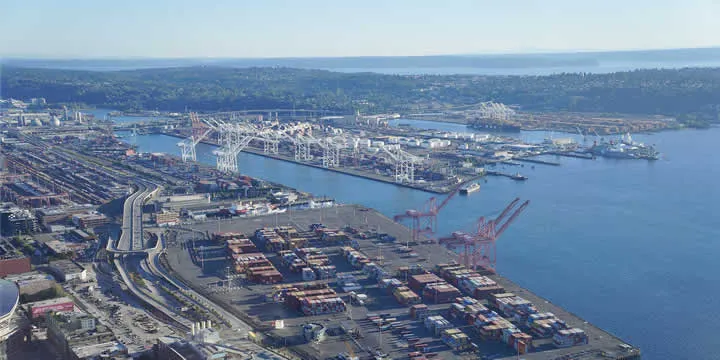
Firstly, transportation distance is a crucial factor. The farther the goods are transported from the overseas supplier's location to the domestic destination, the higher the freight costs naturally become. For instance, importing goods from Europe to China, compared to importing from Southeast Asia, significantly increases the transportation distance, leading to a noticeable rise in freight costs.
Secondly, the weight and volume of the goods cannot be overlooked. Airlines and shipping companies usually calculate freight based on either weight or volume, charging whichever yields a higher cost. For example, large machinery, despite being relatively light in weight, might incur high freight costs due to its substantial volume occupying significant space; whereas high-density metal products, though not large in volume, will also increase freight costs due to their heavy weight.
The choice of transportation method also significantly impacts freight costs. Sea freight costs are relatively low and suitable for large-volume cargo, but transportation time is longer; air freight is fast and suitable for urgent or high-value goods, but freight costs are high. Furthermore, land transport plays an important role in border trade or inland transportation, with its freight costs varying based on factors such as transport distance and cargo type.
How to Reasonably Control Agency Import Freight
For enterprises, reasonably controlling freight costs is crucial. On one hand, planning transportation solutions in advance is key. Before purchasing goods, negotiate shipping terms with suppliers and choose trade terms beneficial to you, such as FOB (Free On Board), arranging transportation yourself to better control freight costs. Concurrently, combine the required delivery time and budget for the goods to comprehensively select the appropriate transportation method.
On the other hand, finding reliable freight forwarders can also effectively reduce freight costs. Professional freight forwarders like Zhongmaoda, leveraging their extensive industry experience and broad resource network, can secure more favorable shipping rates for clients. They can also provide one-stop services, including booking, customs declaration, and inspection, reducing costs in intermediate stages.
Furthermore, reasonably arranging cargo packaging and consolidation can also save freight costs. Optimize packaging; while ensuring cargo safety, minimize the use of packaging materials to reduce the weight and volume of goods. For small batches of goods, you can choose less-than-container-load (LCL) shipping, sharing a container with other cargo owners to split freight costs.
Risks and Responses for Agency Import Freight
During the agency import process, freight also carries certain risks. For instance, fluctuations in fuel prices can lead to sudden increases in freight costs. Changes in supply and demand in the sea freight market also affect costs; during peak seasons, when space is tight, freight costs often surge significantly.
To mitigate these risks, enterprises can sign long-term cooperation agreements with freight forwarders, stipulating a freight adjustment mechanism to reduce the impact of factors such as fuel prices. Concurrently, closely monitor sea freight market dynamics and make transportation plans in advance to avoid blindly booking space during peak seasons, which would increase costs.
In summary, agency import freight appears complex, but as long as we deeply understand its influencing factors, reasonably plan transport solutions, and choose reliable partners, we can effectively control freight costs and gain a more advantageous position in international trade. We hope that everyone can effectively manage freight issues in their agency import business to achieve better economic benefits. Come and share your experiences and confusions regarding agency import freight!

Recent Comments (0) 0
Leave a Reply