“Mr. Ding recently received an overseas order, but encountered difficulties in the export phase of the goods: FCL shipping processes are complex, customs declaration documents are cumbersome, and a slight oversight could delay the delivery date.” Such scenarios are not uncommon in Suzhou's foreign trade circles. As an important manufacturing base in northern Anhui, how can Suzhou enterprises efficiently complete FCL exports? This article will break down the key aspects of Suzhou FCL export agents, helping you avoid those “pits you only learn about after stepping in them.”
Why Choose FCL Export?

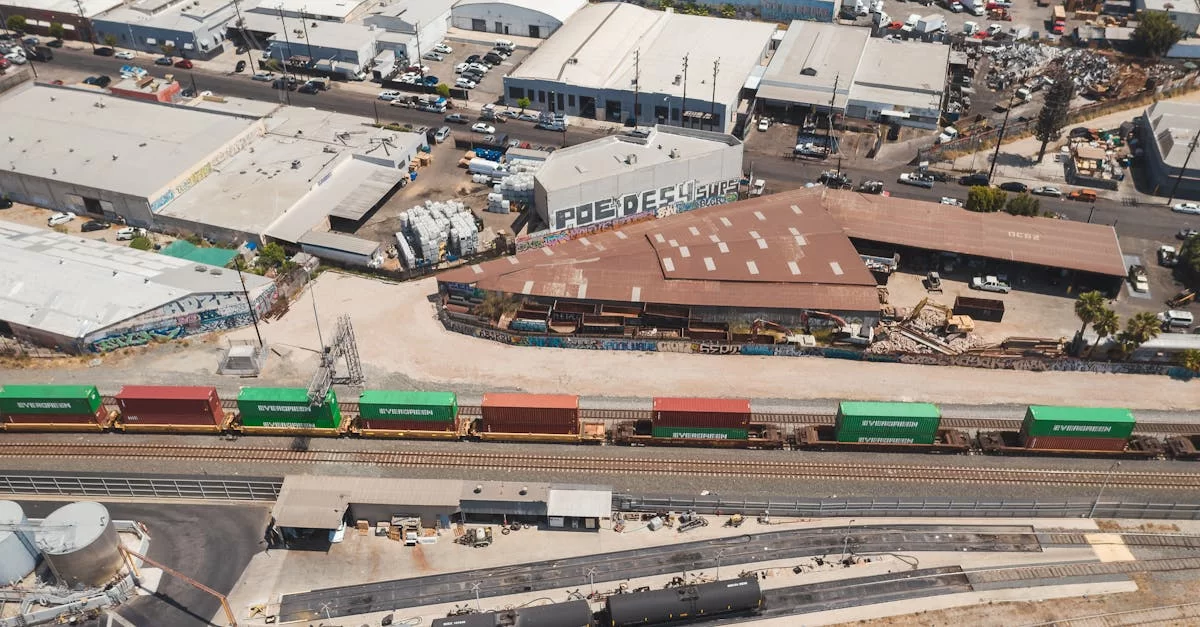
Compared to LCL (Less than Container Load) shipping, FCL (Full Container Load) shipping offers three core advantages:
- Controllable Costs: Billed per full container, suitable for large quantities of goods
- Stable Timeliness: Direct to the destination port, reducing transit losses
- High Security: Fully enclosed transportation, reducing cargo damage risk
Taking common Suzhou goods like furniture and agricultural products as an example, a 40-foot high cube container can load approximately 25 tons of cargo, reducing transportation costs by over 30% compared to LCL.
Four Key Steps for Suzhou FCL Export
Step One: Qualification Preparation
Enterprises need to possess import and export operating rights and complete customs registration. Mr. Ding's garment factory once had goods detained due to neglecting to obtain a certificate of origin, resulting in an additional 50,000 yuan in demurrage fees.
Step Two: Agent Selection
Professional agencies can provide "door-to-port" services:
- Container allocation and loading supervision
- Pre-audit of customs declaration documents
- Sea freight booking and tracking
It is recommended to compare operational cases and quotation plans from at least 3 service providers.
Step Three: Packing Essentials
Local Suzhou agents have summarized the "Three Prevention Principles":
- Prevent overweight: 20-foot container weight limit is 21 tons
- Prevent uneven loading: Weight distribution error
- Prevent dampness: Goods prone to mold need vacuum packaging
Step Four: Risk Contingency Plan
It is recommended to set aside a 7-day buffer period to cope with:
- Port congestion (especially on European and American routes)
- Customs inspection (random inspection rate is about 3%-5%)
- Port diversion due to extreme weather
Are You Aware of These “Hidden Costs”?
In addition to basic sea freight, FCL shipping also requires attention to:
- THC (Terminal Handling Charge): Approximately 500-800 yuan/container
- Seal Fee: 30-50 yuan/container
- Amendment Fee: Modifying a bill of lading past the deadline requires 200-500 yuan
Cases from Zhongmaoda agent show that preparing a cost breakdown in advance can avoid 85% of disputes over additional expenses.
Future Trend: The Rise of Digital Agency Services
Leading agents have now achieved:
- Real-time container location tracking via mobile phone
- AI-powered intelligent matching for optimal routes
- Automatic generation of electronic customs declaration documents
As an industry professional said: "Future competition isn't a price war, but who can use technology to save clients an extra trip to customs."
Are Your Goods Ready for Overseas Shipping?
From container selection to destination port customs clearance, every link holds details that affect success or failure. Feel free to share your most pressing export challenges in the comments section, or send a private message to get a pitfall avoidance guide for Suzhou FCL export agents. In the next issue, we will reveal "How Agricultural Product Exports Can Break Through Green Barriers," so stay tuned!

Recent Comments (0) 0
Leave a Reply