On the stage of international trade, export tax rebates act as a powerful booster for enterprises, helping them ride the waves in the global market. However, the process of declaring export tax rebates is like a maze, full of details and challenges. Today, let us delve into the mysteries of declaring export tax rebates together.
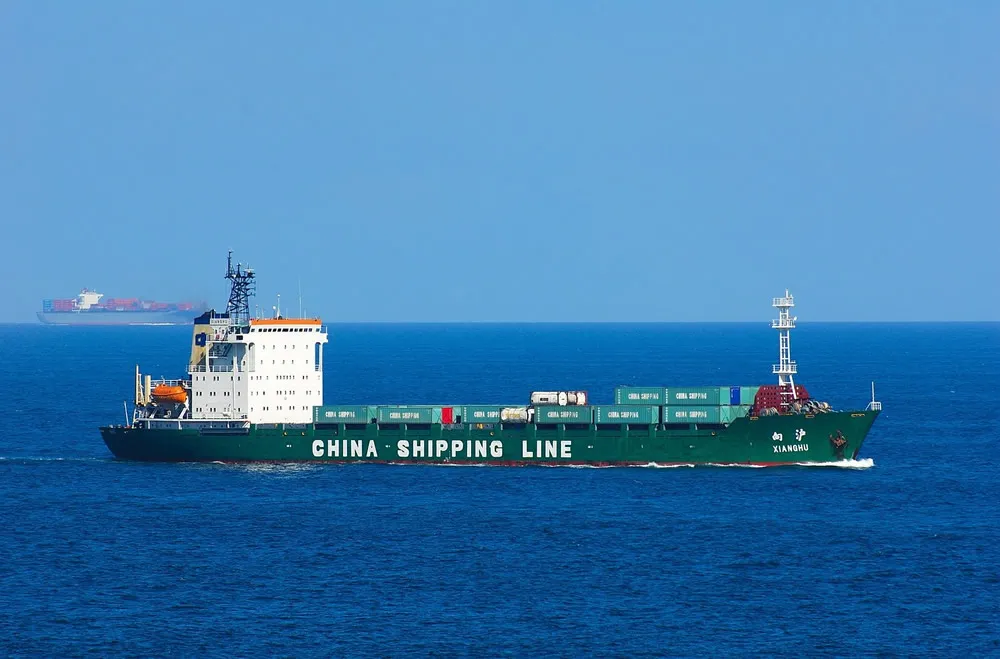
What is Export Tax Rebate?
Export tax rebate, in simple terms, is the refund of value-added tax and consumption tax actually paid in the domestic production and circulation stages of exported goods by the state, in order to enhance the competitiveness of domestic goods in the international market. This allows exported goods to enter the international market at a tax-exclusive price, thereby increasing the price advantage of our country's products. For example, if a batch of goods produced by an enterprise has paid a certain amount of tax in the domestic production and sales stages, when the goods are exported, the state will refund this portion of tax to the enterprise according to regulations.
Process of Declaring Export Tax Rebate
The process of declaring export tax rebates is rigorous and complex. The first step is Eligibility Verification. Enterprises need to bring relevant documents to the local tax authorities to handle the export tax rebate eligibility verification. Only enterprises that have completed the verification are eligible to declare tax rebates. The second step is Export Customs Declaration. When goods are exported, enterprises must truthfully fill out the export customs declaration form, ensuring that the customs declaration information is accurate and complete, which is an important basis for tax rebate declaration. Next is Foreign Exchange Collection and Verification. Enterprises must collect foreign exchange in a timely manner and verify it according to regulations. The last step is Tax Rebate Declaration. Within the prescribed time limit, enterprises submit the tax rebate declaration materials through systems such as the electronic tax bureau and await review by the tax authorities.
Precautions for Declaring Export Tax Rebate
- Declaration Deadline: Enterprises must remember the declaration deadline. Late declarations may result in the inability to enjoy the tax rebate policy. Generally speaking, enterprises should, within each value-added tax filing period from the month following the date of customs declaration of exported goods to April 30 of the following year, gather all relevant supporting documents and apply to the competent tax authorities for the VAT and consumption tax exemption and rebate declaration for exported goods.
- Completeness of Documents: The declaration documents must be complete, true, and accurate. Common declaration documents include export customs declaration forms, VAT special invoices, export invoices, etc. Any missing or incorrect document may affect the progress of the tax rebate.
- Accuracy of Commodity Codes: Commodity codes are the key basis for determining the tax rebate rate. Enterprises must accurately fill in the commodity codes, otherwise, it may lead to the incorrect application of the tax rebate rate.
The export tax rebate policy is of great significance for enterprises expanding into international markets, but the declaration process allows for no carelessness. Enterprises need to have a deep understanding of policies and regulations, operate strictly in accordance with the procedures, and ensure the smooth progress of declaration work. It is hoped that all enterprise operators can make full use of the export tax rebate policy, inject strong momentum into the development of enterprises, and achieve more brilliant achievements in the international market. Let us actively take action together, declare in compliance, enjoy policy dividends, and jointly promote the vigorous development of foreign trade economy.

Recent Comments (0) 0
Leave a Reply