When Mr. Zhan first saw a Thai durian mooncake priced at 68 yuan on a Shenzhen supermarket shelf, he realized that a market worth hundreds of billions was hidden behind it. As the world's third-largest food exporter, Thailand ships over 2 million tons of food to China annually. From tropical fruits to pre-cooked meal kits, the cuisine of this Southeast Asian nation is quietly transforming our dining tables.
Why Thai food has become the new export darling?
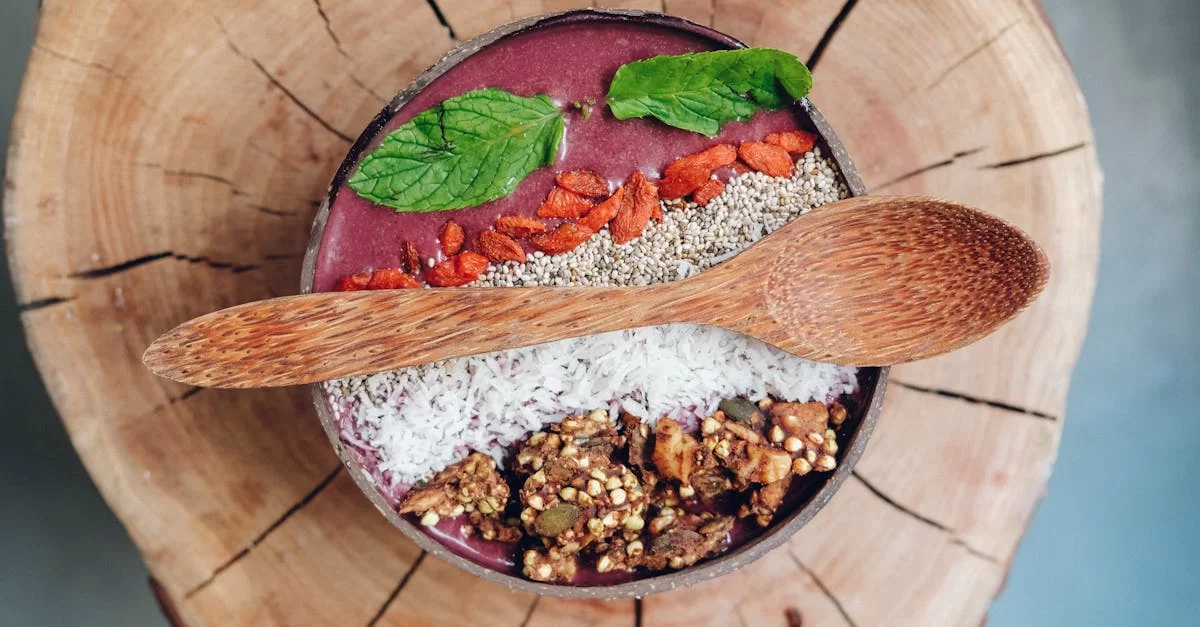
Data from the Thai Food Industrial Development Committee shows that food exports to China grew by 23% in 2023, with three flagship categories performing exceptionally well:
- Tropical Fruit Products: Soaring demand for innovative products like dried durian and mango sticky rice pre-mix powder
- Healthy Ready Meals: Low-fat Tom Yum Goong soup bases, vegetarian Pad Thai, and other products align with modern consumption trends
- Specialty Seasonings: Basil paste, lemongrass powder, and more allow home kitchens to easily replicate Thai flavors
Three Key Hurdles for Agency Business
Mr. Zhan import company once suffered significant losses due to a lack of understanding of Thai business practices. Through Zhongmao Da's professional guidance, she summarized the obstacles practitioners must overcome:
Certification Maze: Thai food exports must simultaneously meet FDA certification, Halal certification, and Chinese customs quarantine standards. Durian alone has 17 testing indicators.
Cold Chain Trap: 40% of transit losses occur during transshipment. Professional agents establish a full temperature-controlled system from Bangkok factories to Chinese warehouses.
Cultural Divide: Thai suppliers place a higher value on long-term partnerships, and directly pressing for lower prices can be counterproductive.
Operational Blueprint for Successful Agents
Observing the operational models of leading agents reveals a clear business logic:

- Upstream: Establish direct sourcing offices in food industrial clusters like Chiang Mai and Chonburi
- Midstream: Sign exclusive agency agreements with HACCP-certified factories
- Downstream: Provide domestic e-commerce platforms with complete compliance documentation packages and marketing materials
An agent specializing in Thai coconut products revealed that they control inventory turnover within 21 days through a pre-sale system, achieving profit margins 35% higher than traditional models.
Opportunity Window for the Next Three Years
With the deeper implementation of tariff reduction policies under the RCEP agreement, Thai fruits like mangosteen and longan will gradually achieve zero tariffs. However, it's worth noting:
Category Segmentation: High-end categories such as infant supplementary foods and functional foods are growing at twice the rate of ordinary products
Channel Transformation: Community group buying and live-stream e-commerce are reshaping the distribution channels for imported foods
Certification Upgrade: Organic certification and carbon footprint labeling are becoming new competitive barriers
Where to Start Your Thai Food Business?
Consider starting with a simple market test: record the shelf share of Thai food in local supermarkets, or analyze reviews of best-selling items on cross-border e-commerce platforms. When you see consumers paying for "authentic Thai flavors," you will understand the true value of this market.
Have you discovered Thai food business opportunities around you? Feel free to share any interesting phenomena you've observed.

Recent Comments (0) 0
Leave a Reply