When Mr. Hu first received a re-export trade quotation from his Thai partner, he was surprised to find that the price of the same goods, after being re-exported through Thailand, was 15% lower than direct procurement. What kind of business logic is hidden behind this? Today, we will unveil the mystery of Thailand's re-export trade origin.
What is Re-export Trade Origin?
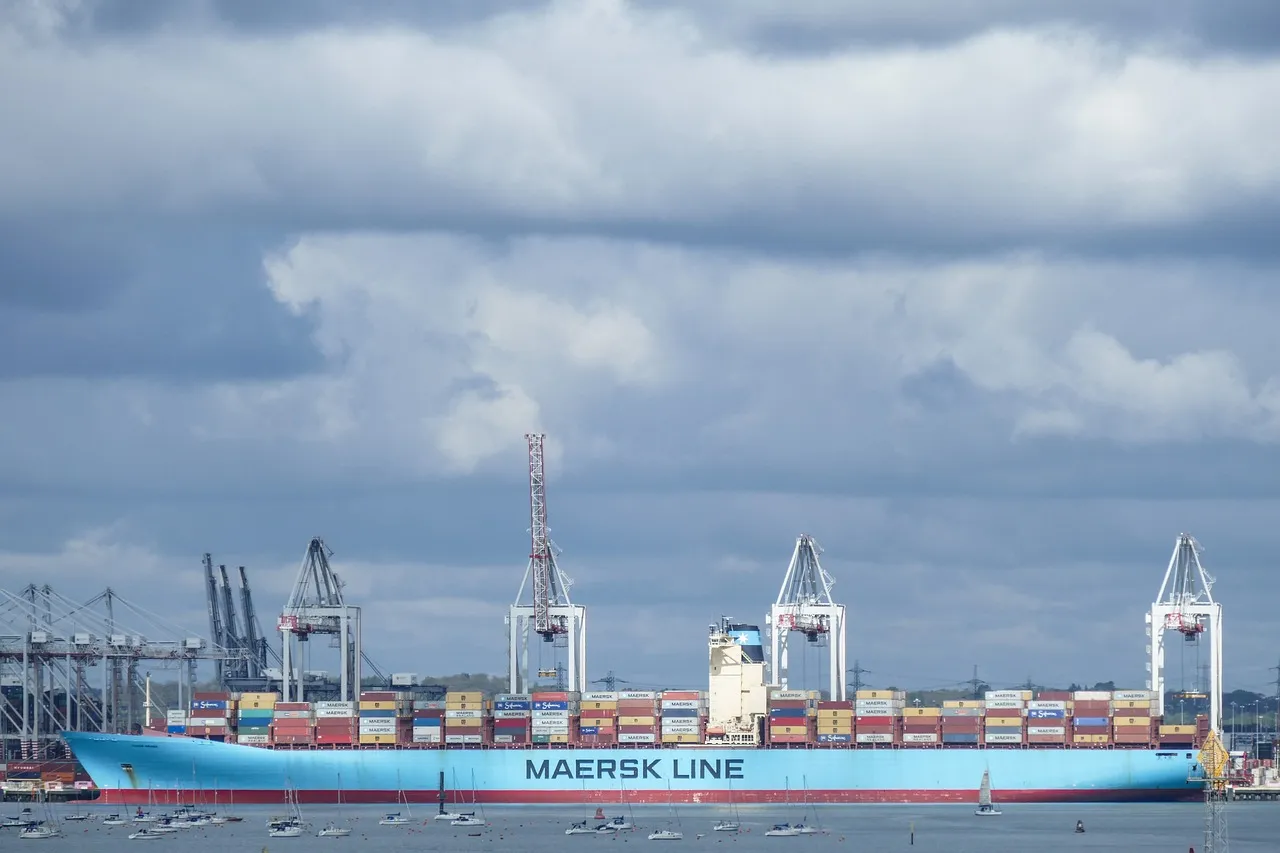
Re-export trade origin refers to the acquisition of a country's origin status for goods after simple processing or transshipment in a third country. With its superior geographical location and relaxed trade policies, Thailand has become one of the most important re-export trade hubs in Southeast Asia.
- Geographical advantage: Thailand is located in the heart of Southeast Asia and boasts comprehensive port and logistics facilities
- Policy support: Thailand has signed free trade agreements with many countries, enjoying tariff preferences
- Cost advantage: Relatively lower operational costs for labor, warehousing, etc.
Three Major Advantages of Thailand Re-export Trade
Mr. Hu import and export company successfully introduced European goods into the Chinese market through Thailand re-export trade, achieving considerable profits. This is mainly due to the following advantages:
- Tariff preferences: Utilizing Thailand's free trade agreements with various countries to reduce import costs
- Circumventing trade barriers: Some goods re-exported through Thailand can avoid direct import restrictions
- Supply chain optimization: Shortening delivery cycles and improving capital turnover efficiency
Three Major Risks to Be Wary Of
Although Thailand re-export trade has broad prospects, practitioners must also be aware of the following risks:
- Origin certification risk: Ensuring compliance with Thailand's rules of origin to avoid legal disputes
- Logistics cost control: Increased re-export links may lead to higher overall costs
- Exchange rate fluctuation impact: Multi-currency transactions require guarding against exchange rate risks
How to Conduct Business Legally and Compliantly?
Zhongmaoda International Trade experts recommend:
- Thoroughly understand Thailand's rules of origin and certification procedures
- Choose reliable local Thai partners
- Establish a comprehensive document management system
- Regularly review trade compliance
Conclusion: Opportunities and Challenges Coexist
Thailand re-export trade origin is both a key to opening new markets and a double-edged sword. Have you considered expanding your business through re-export via Thailand? Feel free to share your insights and experiences in the comments section.

Recent Comments (0) 0
Leave a Reply