In the vast landscape of global trade, Luoyang, a historical and cultural city, is emerging in a unique way – third-country re-export trade. Perhaps in the perception of many, trade mostly involves direct transactions between two countries, but third-country re-export trade opens up a different realm for trade development. Today, let us delve into the mysteries of Luoyang's third-country re-export trade.
What is Third-Country Re-export Trade?
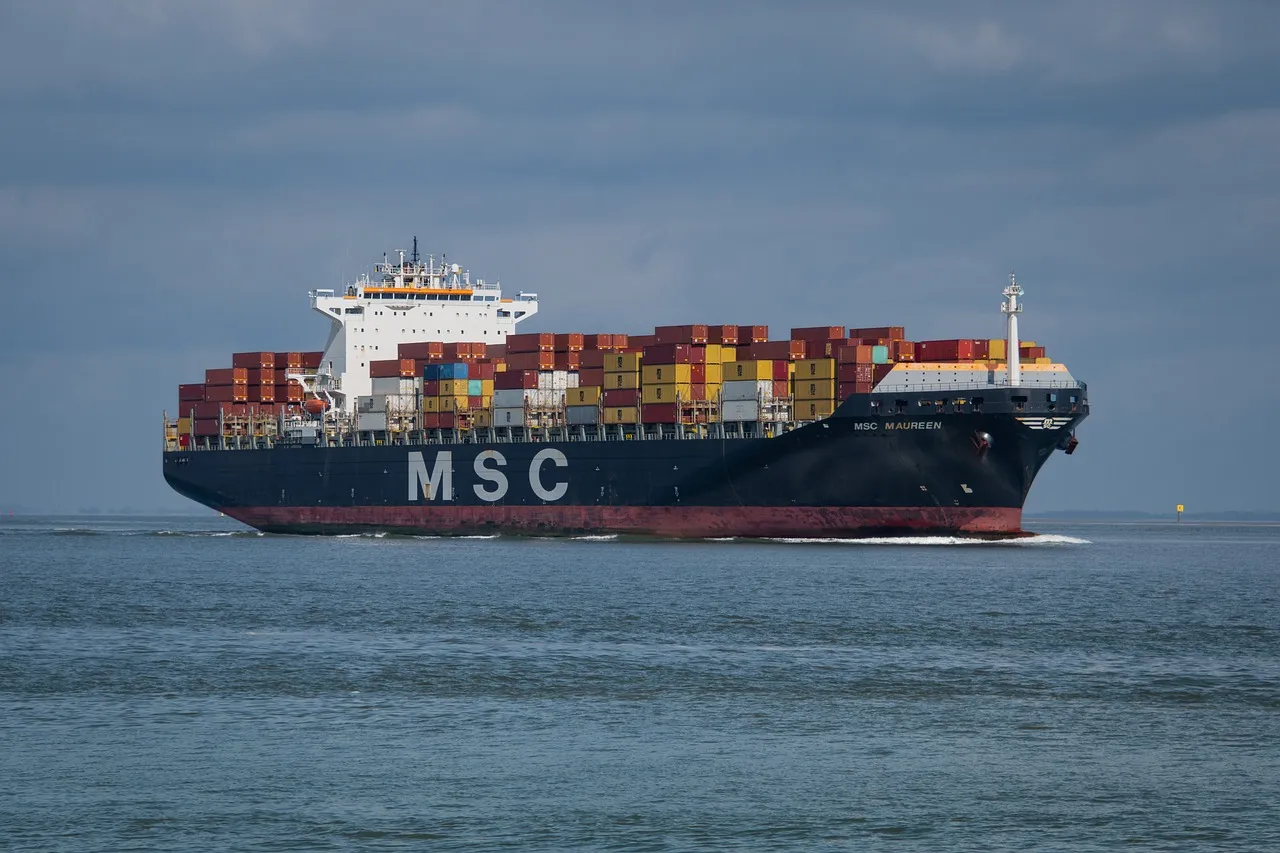
Third-country re-export trade, simply put, refers to indirect buying and selling where the goods-producing country and the goods-consuming country cannot trade directly for some reason and must rely on a third-country merchant for transshipment. For Luoyang, in appropriate trade scenarios, it has the potential to become that crucial "third country" player. For instance, Mr. Wei company originally exported products to Country A, but due to trade barriers in Country A and other factors, the goods were first transported to Luoyang. After a series of operations such as repackaging and relabeling, they were then transshipped to Country A. This kind of operation allows trade to overcome original obstacles and be successfully concluded.
Advantages for Luoyang in Developing Third-Country Re-export Trade
Luoyang possesses numerous unique advantages for developing third-country re-export trade. Firstly, its geographical location. Situated in the Central Plains, Luoyang boasts a developed transportation network, enabling efficient cargo transshipment via both railway and road transport. This makes it a natural trade hub connecting all directions. Secondly, Luoyang has a deep industrial foundation. Numerous manufacturing enterprises are rooted here, providing convenient conditions for cargo processing and value addition in re-export trade. Furthermore, with the establishment of professional trade service organizations like Zhongmaoda in Luoyang, enterprises receive expert guidance and support for conducting third-country re-export trade, offering detailed assistance from trade process planning to risk aversion.
Challenges and Countermeasures in Third-Country Re-export Trade
Of course, third-country re-export trade is not always smooth sailing. On one hand, the variability of trade policies is a major challenge. Trade policies of different countries can change at any time, requiring enterprises engaged in re-export trade to constantly monitor policy developments. For example, Mr. Wei company was almost affected by a sudden tariff increase in Country A, nearly disrupting the smooth progress of their re-export trade. On the other hand, controlling logistics and time costs is also crucial. When goods are transshipped in Luoyang, ensuring logistics efficiency and avoiding cargo backlogs are problems that need to be addressed. To address these challenges, enterprises need to cooperate closely with professional organizations like Zhongmaoda, grasp real-time policy information, and optimize logistics solutions to mitigate risks and enhance the profitability of re-export trade.
Outlook for Luoyang's Third-Country Re-export Trade
As global economic integration deepens, trade forms are constantly innovating. Luoyang's third-country re-export trade has broad development prospects. It can not only inject new vitality into the local economy and drive the development of related industries but also elevate Luoyang's standing on the international trade stage. For enterprises at large, actively exploring the third-country re-export trade model and leveraging Luoyang's advantageous conditions may lead to new business opportunities in a complex and ever-changing international trade environment. Let us collectively anticipate Luoyang shining even brighter in the field of third-country re-export trade, and we hope more enterprises will participate, jointly writing a new chapter in trade.

Recent Comments (0) 0
Leave a Reply