In today's globalized world, the import and export of goods are becoming increasingly frequent, with many businesses and individuals venturing into this area. However, handling the import and export of goods is not as simple as it might seem, as it involves numerous steps and regulations. Today, let's have a good talk about handling goods import and export to help everyone clarify their thoughts and smoothly carry out related businesses.
I. Preparations Before Handling
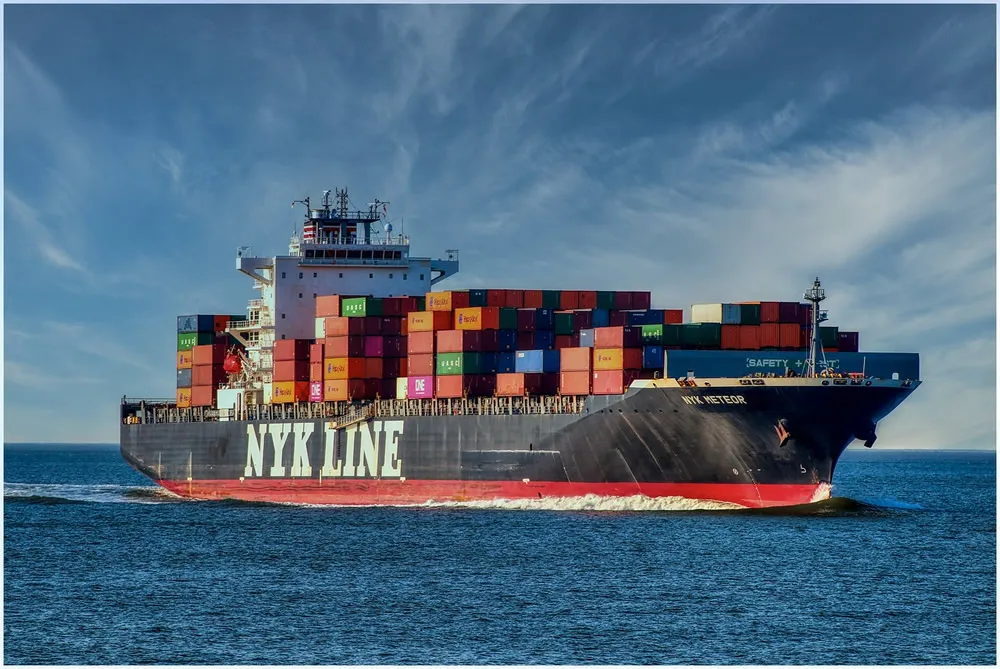
First and foremost, clearly defining the categories of imported and exported goods is crucial. Different categories of goods may be subject to different regulatory requirements. For example, certain special chemical products, food items, etc., may require specific permits. Mr. Yin once experienced his exported electronic products being detained by customs and a considerable loss due to failure to clarify the relevant certification requirements in advance.
Secondly, businesses need to possess the corresponding import and export qualifications. If a company does not have import and export operating rights itself, it will need to entrust a qualified foreign trade agency to conduct the business. At the same time, it is necessary to prepare various relevant documents, such as copies of basic documents like business licenses and tax registration certificates, for use when processing procedures.
II. Understanding the Customs Declaration Process
Customs declaration is a key link in the process of goods import and export. Generally, electronic declaration is required first, accurately inputting the relevant information of the goods into the customs system without any errors. It is particularly important to pay attention to the accuracy of information here, as even a minor error can trigger customs inspection and subsequently delay the process.
After electronic declaration, customs may decide whether to inspect the goods based on risk assessment. If inspection is required, the enterprise should actively cooperate with customs personnel and provide the necessary documents and materials to complete the inspection smoothly. Mr. Yin company, during an import transaction, encountered a customs inspection because the declared information of the goods slightly differed from the actual situation. Fortunately, timely cooperation and rectification avoided greater trouble.
After inspection is completed and found to be compliant, customs will levy taxes and release the goods. Enterprises must pay the corresponding taxes and fees in a timely manner according to regulations to ensure the smooth clearance of goods.
III. Transportation and Insurance Arrangements
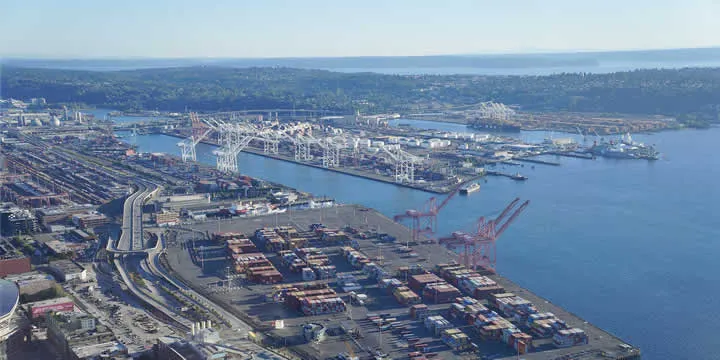
Choosing the appropriate mode of transportation is also very important for the import and export of goods. Common modes of transportation include sea, air, and land. Each mode has its own advantages and disadvantages in terms of cost, speed, and safety. Enterprises should make a comprehensive choice based on the characteristics of the goods, delivery deadlines, and other factors.
- For example, for large-volume goods with less urgent time requirements, sea freight may be a more economical and affordable choice.
- For high-value goods with strong time sensitivity, air freight can better meet the demand.
At the same time, don't forget to purchase insurance for the goods. During transportation, unforeseen circumstances such as loss or damage to goods are inevitable. Purchasing insurance can reduce the risk of losses for the enterprise to a certain extent.
IV. Subsequent Follow-up and Handling
Even after the goods have successfully cleared customs and been transported to their destination, it does not mean the entire import and export business is concluded. Enterprises still need to follow up on the goods to confirm whether the recipient has received them on time and in good quality. If any problems arise, prompt communication and coordination are required to resolve them.
In addition, all relevant documents and materials related to import and export business should be properly archived and stored for future reference, auditing, and other needs.
Although the process of handling goods import and export is relatively complex, as long as thorough preparations are made in advance, the requirements of each link are familiar, and every step is handled carefully and meticulously during the process, the business can be successfully completed, achieving the smooth circulation of goods domestically and internationally. We hope everyone can take fewer detours and achieve great success when venturing into the import and export business of goods! If you have any questions or want to share your experiences, please feel free to leave a message in the comment section for discussion.

Recent Comments (0) 0
Leave a Reply