On the grand stage of international trade, the customs clearance process for import and export companies is like a crucial "gate-passing game." Playing it well allows for smooth cargo flow, while playing it poorly can lead to various delays and troubles. Today, let's talk thoroughly about the key aspects related to import and export company customs clearance, giving you a clearer understanding of this important process.
I. The Importance of Customs Clearance Cannot Be Ignored
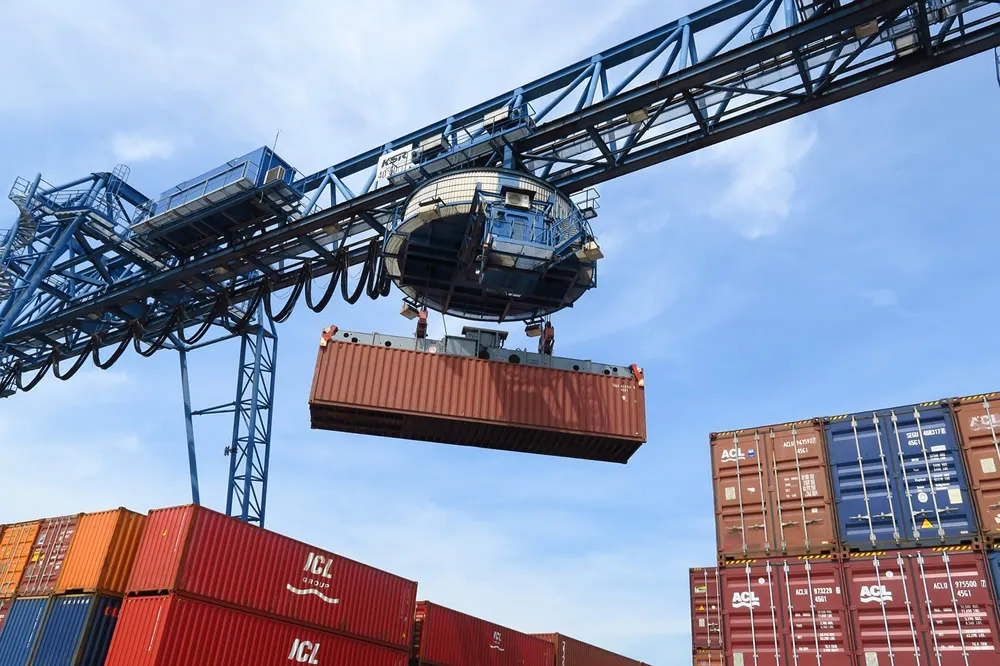
Simply put, customs clearance refers to the procedures that import and export goods must fulfill according to various laws, regulations, and rules when entering or leaving a country's customs territory. For import and export companies, its importance is reflected in multiple aspects. Firstly, successful customs clearance is the guarantee for timely delivery of goods to customers. Imagine if a batch of urgently needed goods is held up at the port due to customs clearance issues; it would not only disappoint customers but also potentially lead to a series of problems such as breach of contract and compensation. Secondly, compliant customs clearance can avoid unnecessary fines and legal risks. Customs regulations in various countries are very strict, and any slight oversight can lead to violations of relevant clauses, causing economic losses and reputational damage to the company.
II. A Revealed Look at the Customs Clearance Process
Generally speaking, import and export companies go through the following main steps for customs clearance.
- Document Preparation: This is the foundational work for customs clearance. It requires preparing a series of documents such as commercial invoices, bills of lading, packing lists, certificates of origin, etc. These documents must be accurate and error-free, as any small mistake can lead to customs clearance delays.
- Customs Declaration: Submit a customs declaration form to the customs, detailing the cargo information, including its name, quantity, value, intended use, etc. Customs will review this information.
- Cargo Inspection: Customs may inspect the goods to verify the authenticity of the declared information. At this point, the import and export company must cooperate with customs and provide necessary conveniences.
- Tax Payment: Based on factors such as the type and value of the goods, relevant duties, value-added taxes, and other taxes must be paid. Only after all taxes and fees are paid can the goods be potentially released.
III. Common Problems and Solutions During Customs Clearance
In the actual customs clearance process, import and export companies often encounter some problems. For example, incomplete document preparation requires the company to establish a comprehensive document management system, carefully check the list of required documents before shipment to ensure no omissions. Another example is unfamiliarity with customs policies, leading to declaration errors. This requires relevant personnel to stay updated on changes in customs policies of various countries and to participate in professional training to enhance their business capabilities. There's also the issue of discrepancies found during cargo inspection; in such cases, it's essential to actively communicate with customs, provide reasonable explanations and supporting documents, and strive for prompt resolution.
IV. Leveraging Professional Expertise for Smoother Customs Clearance
For some smaller or less experienced import and export companies, the complexity of customs clearance can be a headache. In such situations, it is advisable to consider engaging professional customs clearance agents, such as Zhongmaoda. Professional customs clearance agents possess extensive experience and professional teams who are familiar with the policies and procedures of customs in various countries. They can efficiently handle various issues during the customs clearance process, helping import and export companies save time and effort, and ensuring smooth cargo transit.
In summary, customs clearance for import and export companies is a complex yet vital task. Only by fully understanding the customs clearance process, paying attention to potential problems and actively responding to them, and seeking professional assistance when necessary, can goods flow unimpeded in the international market. Dear readers, have you also encountered any customs clearance difficulties in your import and export business? Feel free to share your experiences in the comment section.

Recent Comments (0) 0
Leave a Reply