Mr. Kang recently encountered a headache: a batch of clothing transshipped from Vietnam to Europe was detained by customs due to the lack of a re-export certificate of origin, resulting in a loss of over $100,000. Meanwhile, Mr. Kang similar type of cargo next door sailed through smoothly – the difference lay in that thin certificate. The Re-export Certificate of Origin is like a "visa" for international trade, determining whether goods can enjoy preferential tariffs and bypass trade barriers. This article will unveil the entire process of obtaining this mysterious document.
Why Does Transshipment Trade Require a Special Certificate of Origin?
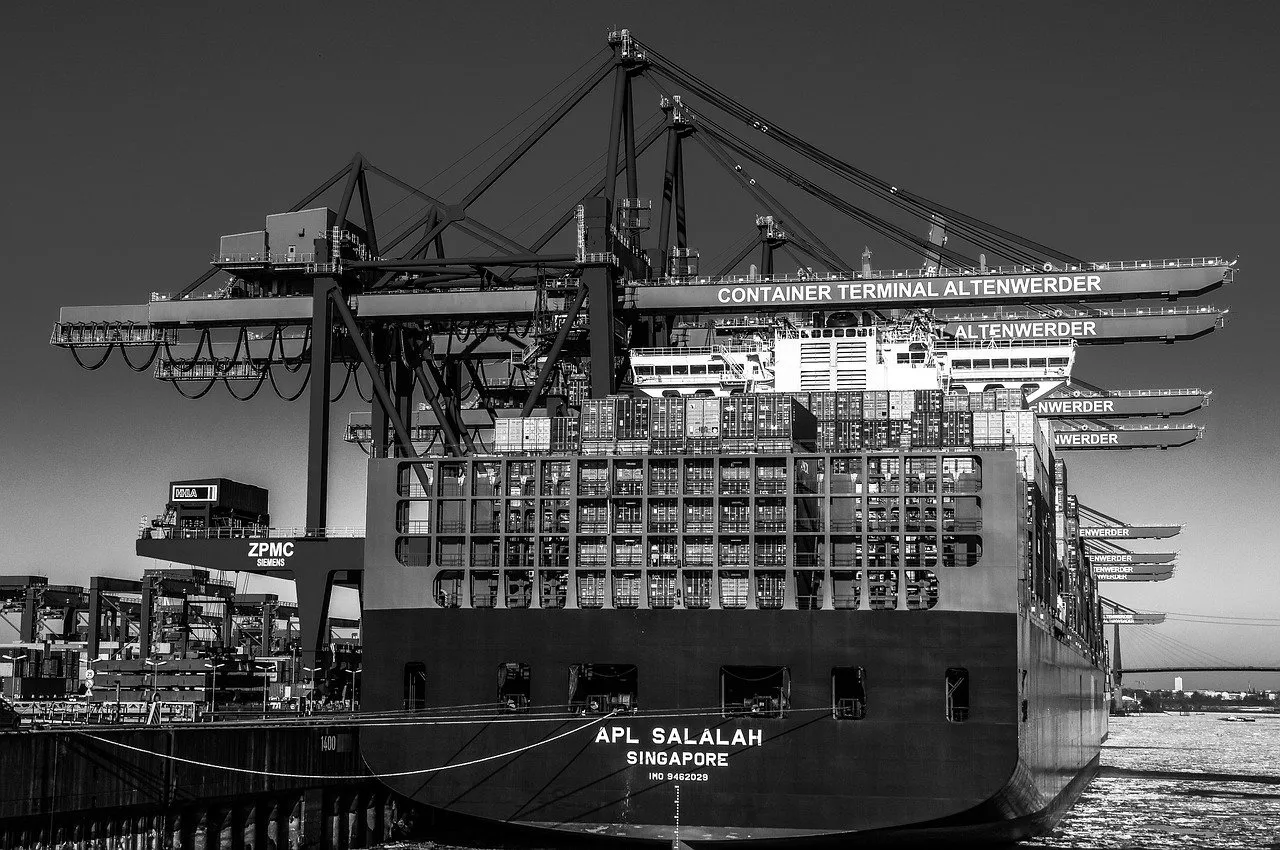
When goods are transshipped through a third country, a traditional certificate of origin will show information about the transit country, potentially triggering high tariffs (e.g., the EU imposes a 60% anti-dumping duty on some Chinese goods). With a Re-export Certificate of Origin, the transit country can be legally declared as the country of origin, commonly used to circumvent US Section 301 tariffs, EU anti-dumping measures, and similar situations. However, it is important to note:
- There must be genuine transit (e.g., container change, re-packaging in Vietnam)
- The transit country must have a complete export documentation system
- The final importing country must recognize the origin standards of the transit country
The Six-Step Process Unveiled
Step One: Select a Compliant Transit Country
Prioritize countries with free trade agreements with China (e.g., Malaysia, Sri Lanka). Zhongmaoda's case studies show that transshipping within RCEP member countries can reduce document review risks by 30%.
Step Two: Prepare Basic Documents
The following are required:
- Original Certificate of Origin (issued by the China Council for the Promotion of International Trade)
- Proof of Processing in the Transit Country (at least including container change/sorting records)
- Commercial Invoice (showing the FOB price from the transit country)
Step Three: Official Certification in the Transit Country
There are two common methods:
- Customs Endorsement (e.g., FORM D certification provided by Singapore Customs)
- Chamber of Commerce Certification (requires cooperation with the transit country's business license)
Pitfall Avoidance Guide: Three Major Traps to Sidestep

Trap 1: Contradictory Document Timelines
Mr. Kang was once fined because the date on the Vietnam packing list was earlier than the departure date from China. It is recommended to maintain a time interval of ≥15 days for transit operations.
Trap 2: Abnormal Cargo Value Fluctuations
A batch of electronic components transshipped via Thailand triggered an anti-money laundering investigation because the declared value was lower than the purchase price in China. It is recommended to control the markup percentage for transit at 8-15%.
Trap 3: Improper Handling of Sensitive Product Names
Photovoltaic modules, steel products, and other goods require additional export permits from the transit country, which ordinary agents often cannot obtain.
Future Trends: The Rise of Digital Certification
Zhongmaoda's latest data shows that transit certificates using blockchain traceability had a 42% increase in approval rates in 2023. Dubai has piloted "Digital Certificates of Origin," displaying the complete logistics trajectory via QR codes. Enterprises are advised to prepare in advance:
- Choose transit ports that support electronic documents (e.g., Rotterdam, Port Klang)
- Request GPS imaging of container changes from freight forwarders
- Retain original transaction vouchers for at least 3 years
As global trade barriers become increasingly high, the Re-export Certificate of Origin has become an essential skill for enterprises going global. Have you ever experienced customs clearance delays due to origin issues? Please share your practical experience. In the next issue, we will detail how to overcome the challenges of US DAC certification through "third-party transit."

Recent Comments (0) 0
Leave a Reply